
 Subtica Team
12 min read
How to Promote a Mobile App: From ASO to Paid Ads
Launching a new mobile app in 2026 is like stepping into the busiest marketplace on the planet – billions of potential users, but millions of competitors fighting for the same split-second of attention. Google Play alone hosts over 3.5 million apps, and the App Store adds another 2 million. In this reality, “publish and wait” simply doesn’t work. You either promote strategically – or your app disappears from the rankings.

To understand which growth channels actually drive results in 2026 for mobile apps, we revisited the core promotion tactics and updated them with today’s performance trends. The result is a practical guide to scaling installs, boosting conversion, and building sustainable user acquisition across ASO, store ads, social platforms, and in-app campaigns – all designed to help your app get noticed and grow.

Mobile App Card Optimization: Key ASO Strategies
Even the smartest ad campaign won’t help if users land on your app page and bounce. That’s where mobile app analytics platforms and ASO become your first growth lever. Done right, ASO boosts visibility in app store search, increases conversion from views to installs, and generates organic traffic that compounds over time.
In 2026, publishing your app on just one platform means leaving money on the table. App Store, Google Play, and AppGallery attract distinct audiences with almost no overlap. Developers who launch across all three platforms see up to 30–40% more early installs, simply because they cover every major device ecosystem from day one.
While guidelines differ across stores, the foundations of ASO remain the same. Your app card must instantly communicate three key messages:
- What your app does – make it immediately clear why users need it
- Why it’s better – highlight unique features or benefits that set it apart
- Why it’s worth installing now – create urgency or incentive for immediate action
To achieve this, ASO focuses on three core areas, each designed to maximize visibility, engagement, and conversions:
1. Choosing High-Intent Keywords
Store search works exactly like Google: users type a phrase, and the algorithm ranks apps by relevance and quality. If you’re a meditation app without the word “meditation” in the title or subtitle – you’re invisible. That’s why mobile app analytics is crucial: it shows which search terms actually drive installs and subscriptions, helping you optimize your app for maximum visibility.
What matters today:
- Google Play indexation got smarter – semantic groups matter more than exact keyword repetition
- App Store still does NOT index descriptions, only title + subtitle + keyword field
- AppGallery doubled available text fields: 64 characters for title and up to 8,000 characters for description – a huge edge for keyword density and localization
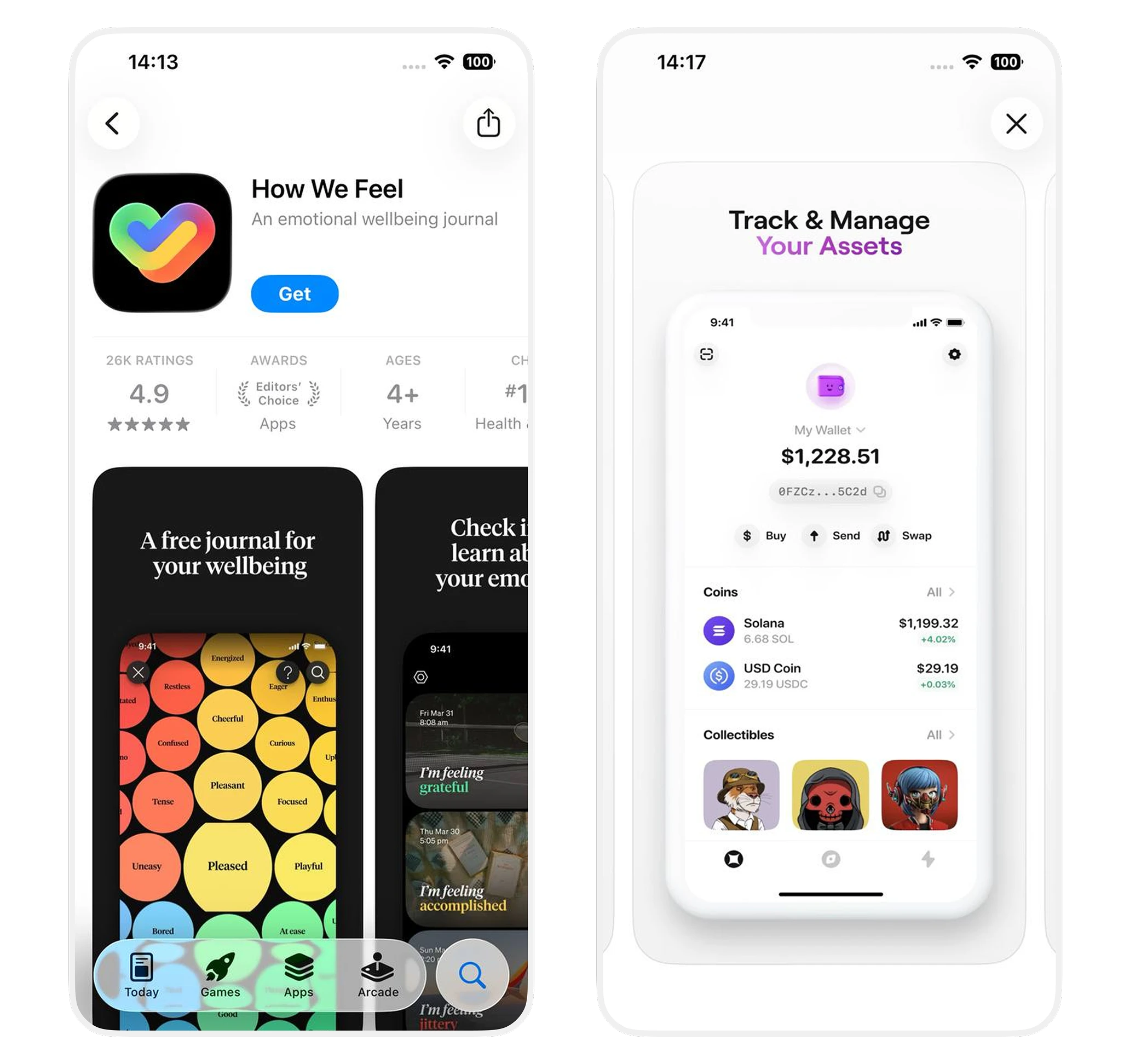
2. Making the App Card Irresistible (Visuals = Conversion)
People don’t read. They scan your icon, screenshots, and preview video, and decide within 2–3 seconds. That’s why the visual layer has become just as important as keyword optimization – mobile app analytics tools can help you understand which visuals actually drive installs and engagement.
Trends that dominate ASO in 2026:
- Bold, simplified icons (high contrast, minimal noise)
- Screenshots that explain the value, not the UI
- Auto-play preview video on iOS → boosts conversions by 18–25%
- Localized store assets, not just translated text
3. Building Trust: Ratings & Reviews
Even a beautifully optimized page won’t convert if your app sits at 3.5 stars. Users trust other users, and ratings and reviews directly affect your ranking and conversion rate.
Consistent engagement with reviews can raise installs by up to 30%. Combining mobile app analytics platforms with review monitoring also helps identify the markets and user segments where your app performs best.
Attracting Users Through Ads: Turning Visibility Into Installs
Organic installs are great, but even the best ASO can’t scale alone. Paid promotion ensures your app reaches the right audience at the right time. Four main channels dominate:
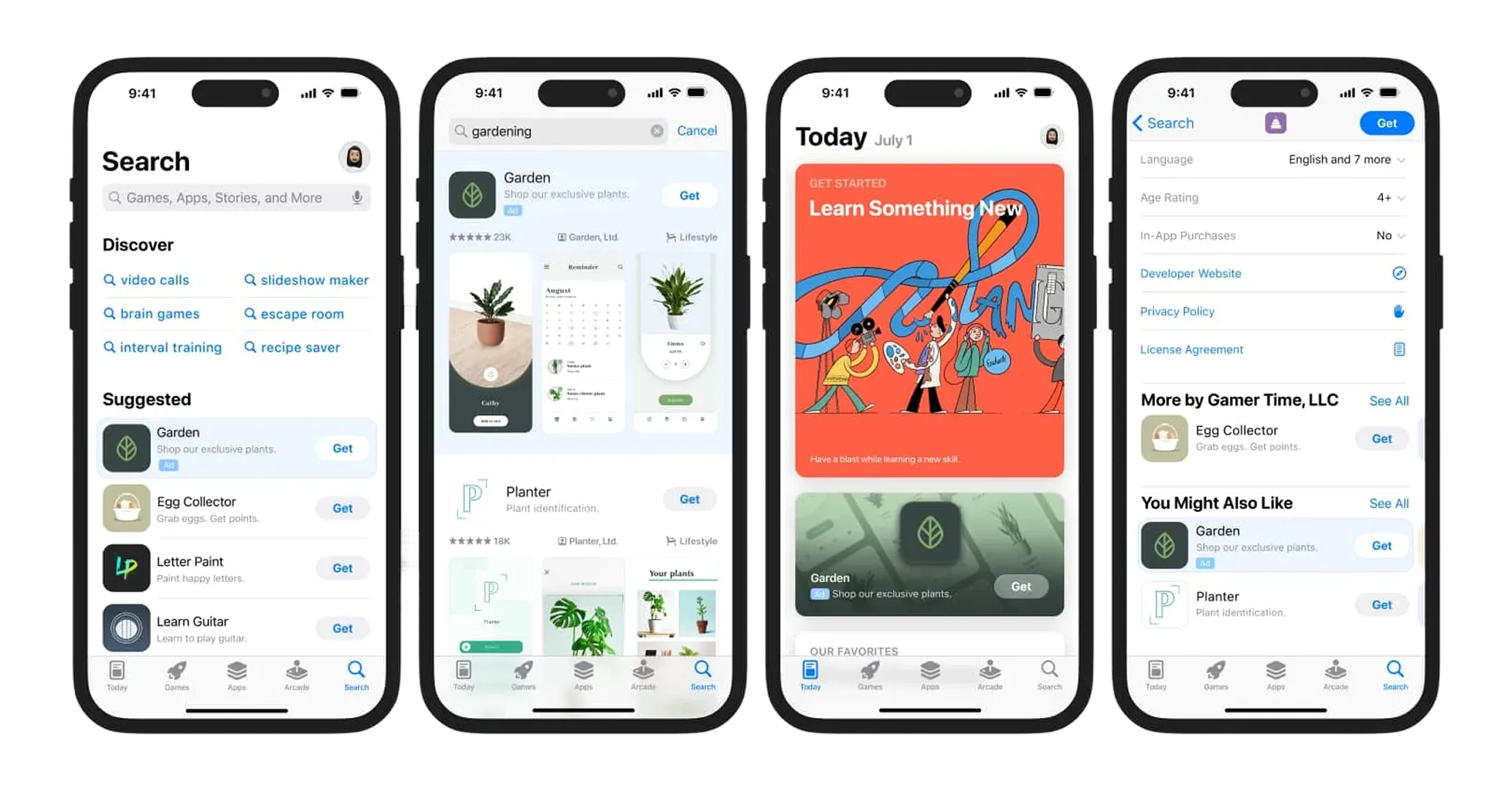
1. The store ad manager
Every app store offers its own ad platform – Apple Search Ads (ASA) for the App Store, Google Ads in Play Store, and Huawei Ads in AppGallery. These systems target users actively searching for mobile apps like yours, making them the highest-intent audience.
Placement opportunities: top search results, featured sections, banners, or curated collections.

Pro Tip
Store ad managers also support re-engagement campaigns, letting you target users who already have your app installed. Instead of encouraging a fresh install, these campaigns nudge existing users toward a specific in-app action – joining an event, returning for a daily bonus, completing an unfinished flow, or renewing a subscription. This boosts retention, strengthens habit loops, and directly increases LTV.
2. Ad Networks
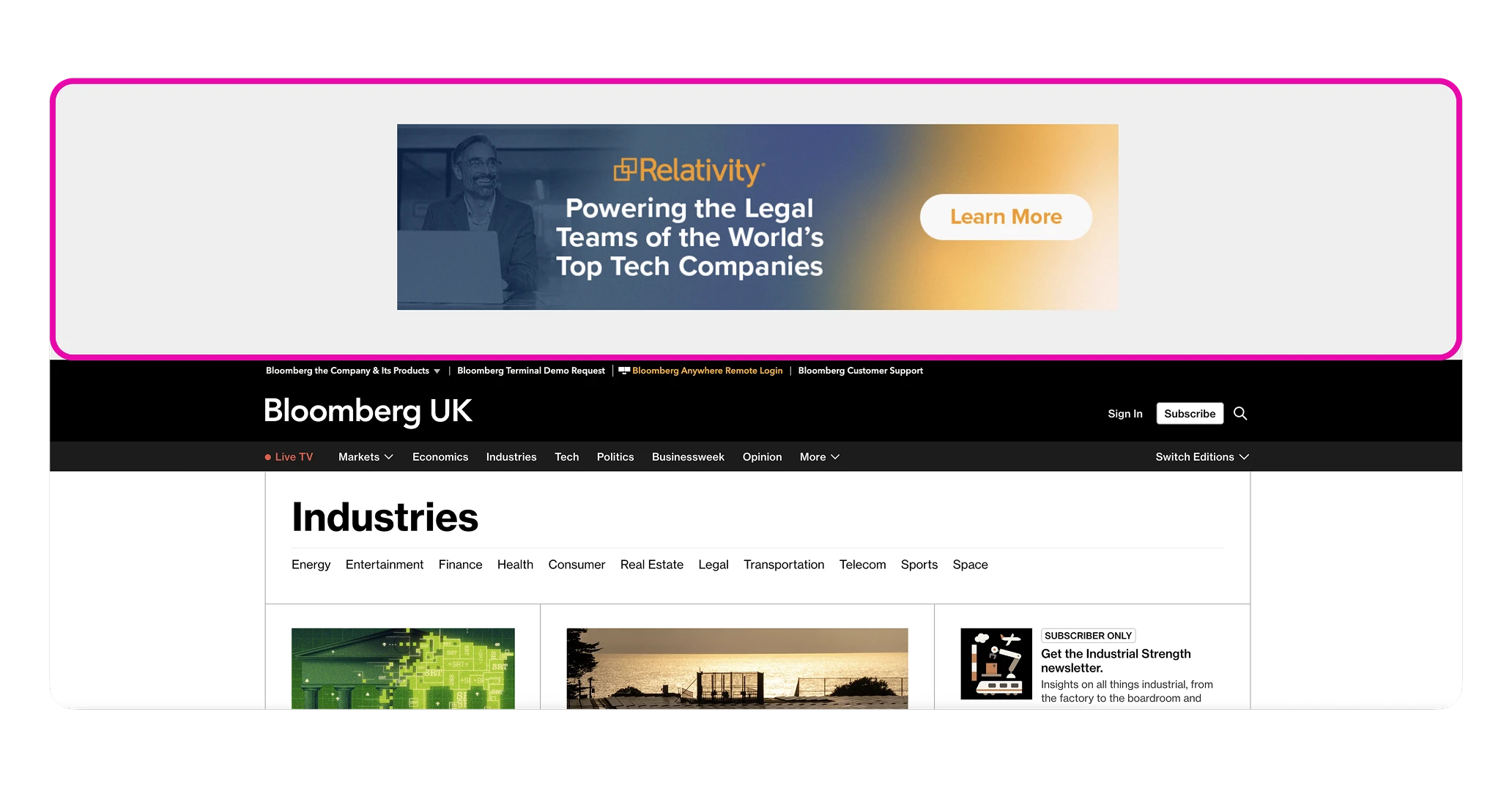
Beyond store-specific ads, ad networks like Google Ads help you promote your mobile app across a massive ecosystem that goes far beyond the app stores. Through the Google Display Network (GDN), your creatives can appear on 2+ million websites, YouTube, Maps, Gmail, and other Google-owned surfaces – giving you access to over 1 billion potential users.
Ad networks use precision targeting to reach the right audience. Campaigns can be optimized by:
- Interests and behavioral signals
- Demographic data
- Search intent
- Contextual relevance of the website or content
This ensures your app is shown in places where users are most likely to resonate with your message.
Display networks primarily reach a cold audience – people who may not install immediately. But this makes them an ideal channel for upper-funnel growth, where the goal is to build awareness, introduce your app, and expand your audience before scaling performance campaigns.
3. Social Media Platforms
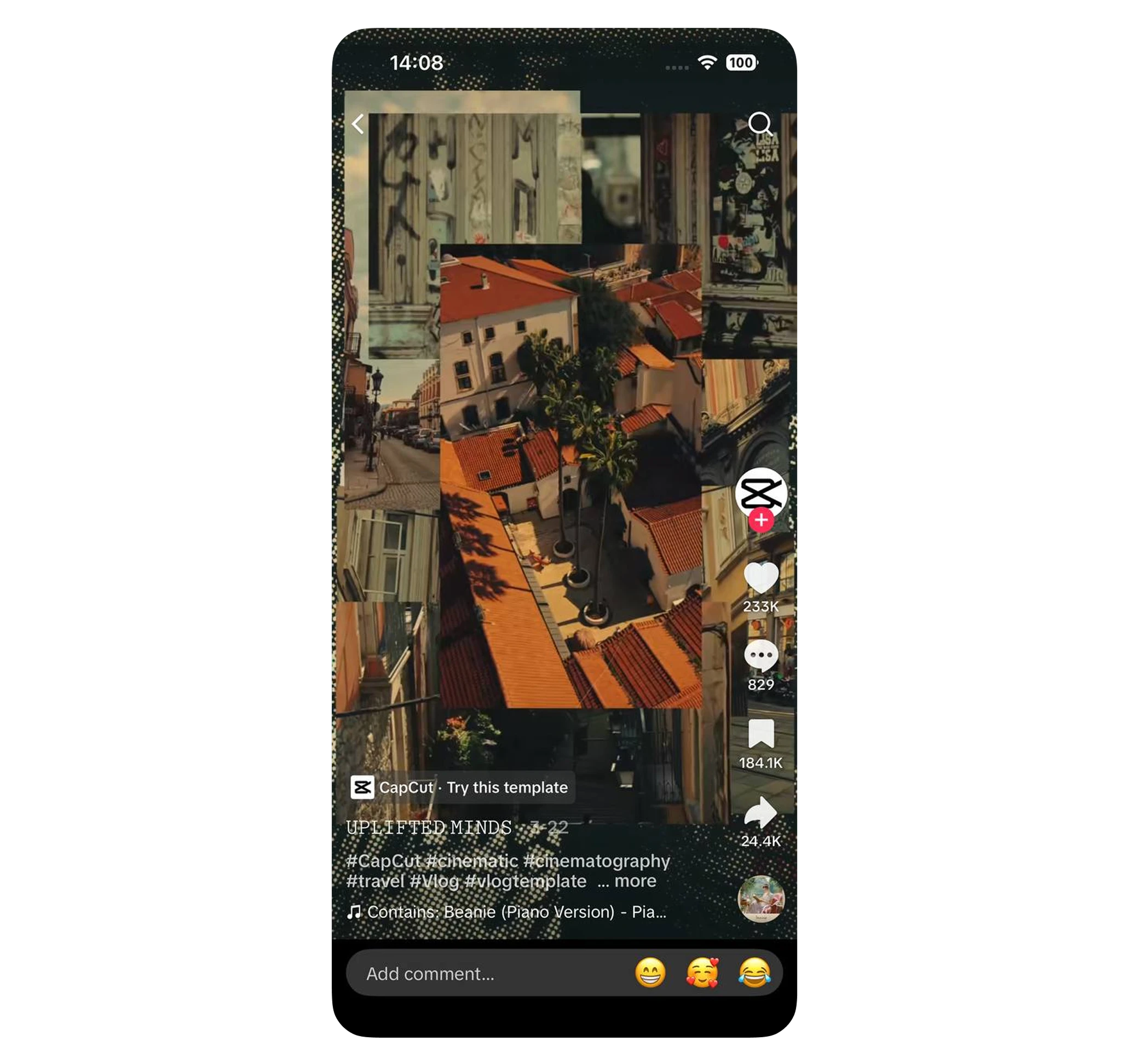
Social media advertising operates on algorithms fundamentally different from search- or keyword-based systems. Instead of relying on queries, platforms like Instagram, TikTok, and Facebook build highly detailed interest profiles based on users’ behavior – the videos they watch, posts they like, creators they follow, and categories they engage with daily. Because these models understand user intent on a deep level, social platforms offer some of the most accurate and scalable targeting options for promoting mobile apps.
For networks within a shared ecosystem, campaigns can be managed through a single account. For example, Meta Ads allows you to run creatives across Facebook, Instagram, Messenger, and Audience Network simultaneously, optimizing delivery based on where your ads perform best.
Social media is particularly effective for mobile app promotion because the entire user journey happens on the same device. Someone sees your short video, interacts with the ad, and can immediately tap through to install the app – creating a fast, friction-free path from impression to conversion.
Formats that work especially well in 2026 include:
- Short-form video ads (Reels, TikTok, YouTube Shorts)
- Story placements for high-engagement vertical creatives
- Carousel ads to showcase multiple features or benefits
- UGC-style ads and influencer integrations that build trust through social proof
Social platforms are ideal for both awareness campaigns and performance-driven installs, especially when paired with accurate attribution, deep links, and promo tracking through mobile app analytics tools.
4. In-App Advertising
Another effective way to promote a mobile app is by placing ads inside other applications. These placements appear in apps that monetize through advertising – typically free apps, but also some paid ones during trial periods. In-app ads allow you to reach users while they’re already engaged on their smartphones, making the format highly contextual and conversion-friendly.
The main types of in-app ad placements include:
- Banner ads – static or animated creatives that take up a small portion of the screen and work well for broad reach
- Interstitial ads – full-screen images or videos that appear at natural transition points (e.g., between levels or screens)
- Interactive ads – “playable” formats where users can try part of the gameplay or test a feature before installing
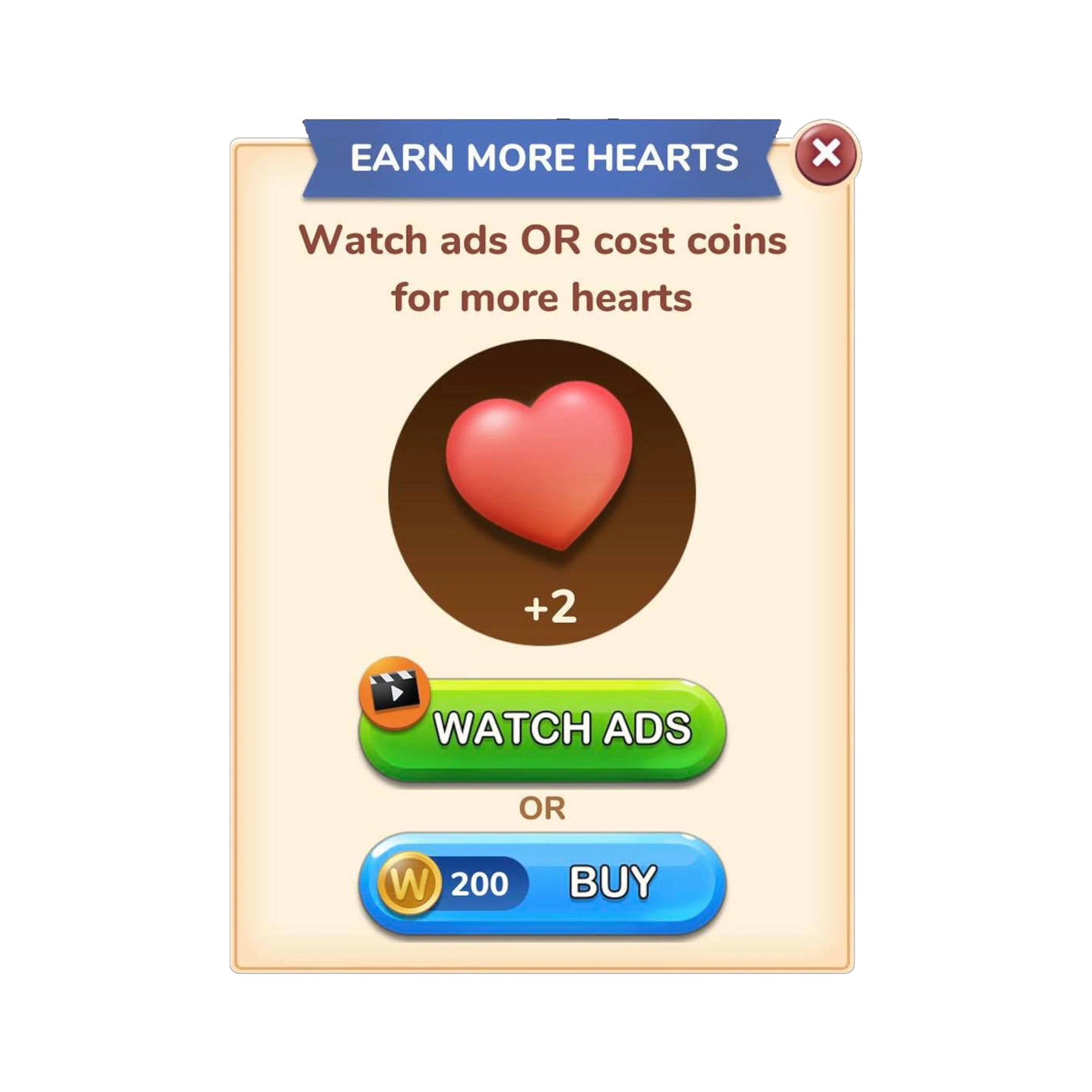
- Rewarded ads – users receive an in-app bonus (coins, hints, extra lives) in exchange for watching the ad, resulting in significantly higher engagement rates
These formats are especially popular in mobile gaming but increasingly used in utilities, entertainment, and lifestyle apps.
You can manage in-app ad placements through major networks like Google Display Network, or via platforms specializing in mobile traffic such as AppLovin, Unity Ads, IronSource, Yabbi, and others. These networks offer advanced targeting, real-time optimization, and deep analytics, making them a strong channel for scalable user acquisition.
Conclusion: How to Choose the Right Promotion Method for Your App
Launching an app isn’t just about publishing – it’s about being discovered. Optimizing your app card with the right keywords, compelling visuals, and positive reviews drives early installs and lays the foundation for long-term growth. Even if your app isn’t top-ranked, strategic ASO ensures it gets noticed and converts casual browsers into loyal users.
Paid promotion takes this further. Store ads reach users actively searching for apps like yours, social campaigns engage broader audiences with short videos, stories, and influencer content, while ad networks expand your reach across websites and other apps. In-app campaigns and native integrations provide extra motivation, turning exposure into real actions.
The smartest growth strategy combines all these channels while continuously testing, analyzing, and refining campaigns. Experiment with different acquisition channels and creatives, measure every interaction, and track which strategies actually convert casual users into loyal customers.
Managing multiple analytics platforms at once can quickly become overwhelming – too many dashboards, tabs, and endless data tables make it hard to see what truly drives growth. Subtica solves this by consolidating all your key metrics in one intuitive platform. Monitor installs, retention, revenue, and user cohorts in real time, track campaigns end-to-end, and discover which strategies actually move the needle. With Subtica, every install can be nurtured into a long-term user, giving you the insights and control to scale your app promotion efficiently, predictably, and profitably.
Ready to grow your app smarter, not harder? Start tracking and optimizing all your acquisition channels with Subtica today.
Want to Apply These Insights to Your App?
Track subscription metrics, reduce churn, and scale your iOS app revenue with Subtica’s subscription analytics platform.


Related Articles
Subscription Analytics Dashboard for SaaS: Data-Driven Metrics and Revenue Insights for iOS Apps
Subscription analytics helps SaaS and subscription businesses turn data into valuable insight. Learn how subscription analytics software tracks subscription metrics, payments, and performance with customizable dashboards, charts, and one-click reports.
Subtica Team
Subscription Business Metrics to Track: Essential SaaS Metrics for Every Subscription Business
Discover the key subscription metrics every business should monitor. Learn which key metrics SaaS companies and subscription businesses use, the most important metric to track, and how a strong analytics system helps monitor subscription metrics and growth.
Subtica Team
Predictive Analytics Examples, Applications, and Algorithms for Subscription Apps
Predictive analytics helps businesses forecast trends using algorithms and data models. Learn how predictive analytics works, key use cases like fraud detection, and how companies use predictive analytics to forecast future outcomes.
Subtica Team
Predictive Analytics Definition: What Is Predictive Analytics and How It Works
Predictive analytics uses machine learning, data mining, and statistical models to predict future outcomes. Learn the predictive analytics definition and how businesses use predictive analytics with historical data and current data to forecast trends.
Subtica Team
Customer Churn Rate Analysis for SaaS: How to Calculate Churn Rate, Perform a Churn Analysis, and Improve Retention
Learn how to calculate customer churn rate with practical churn analysis techniques. Understand customer churn, revenue churn, and retention metrics while analyzing your churn to improve retention and reduce churn rate.
Subtica Team
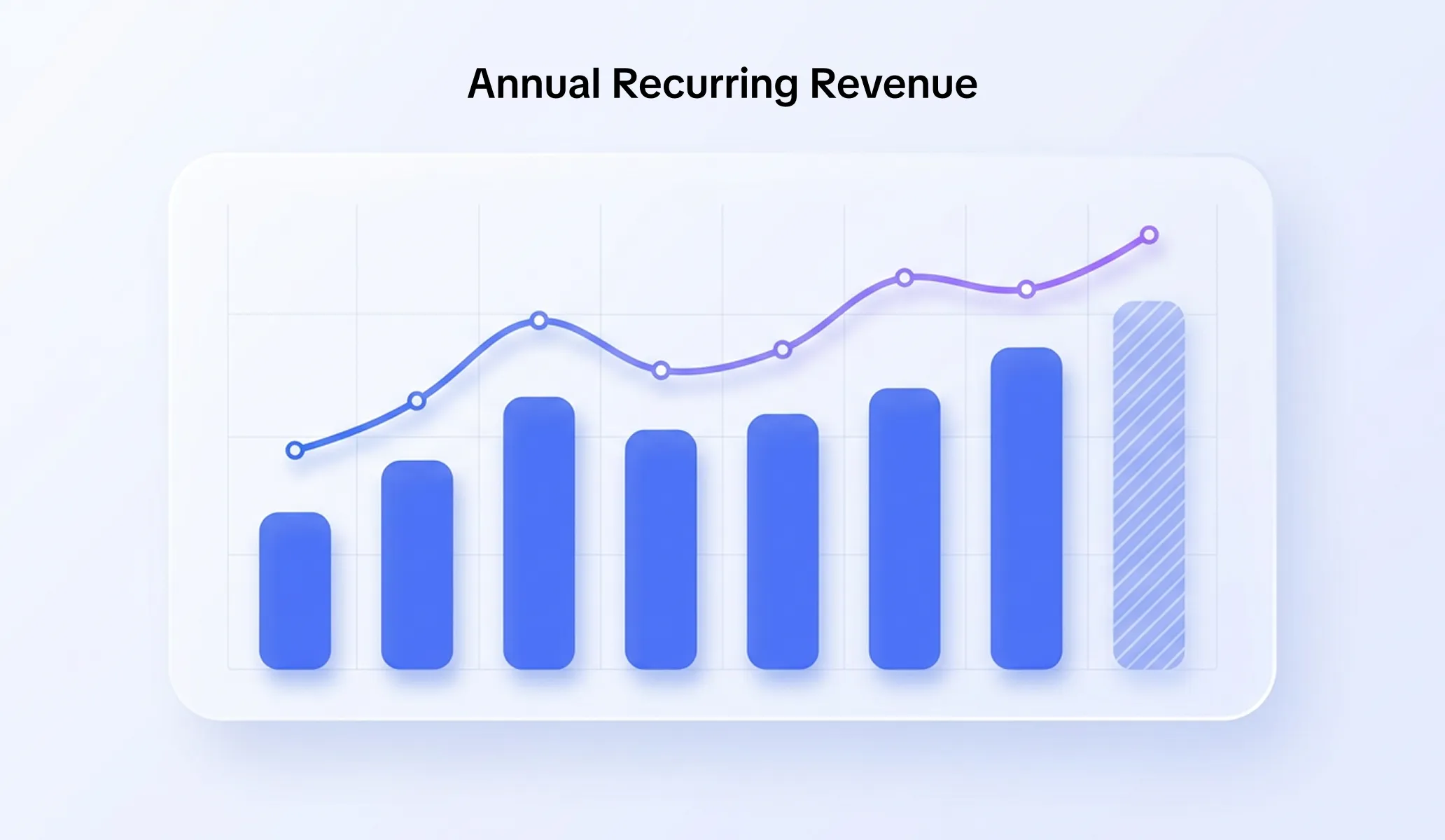
ARR Revenue: Annual Recurring Revenue Calculation, Recurring Revenues & How to Calculate ARR for SaaS Business Billing
ARR revenue (annual recurring revenue) is a core metric for subscription and SaaS business models. In this guide to annual recurring revenue, learn how to calculate ARR, understand recurring revenues, and improve revenue growth. Discover ARR calculation methods, why this SaaS metric matters, and how annual recurring revenue supports predictable subscription business performance.
Subtica Team
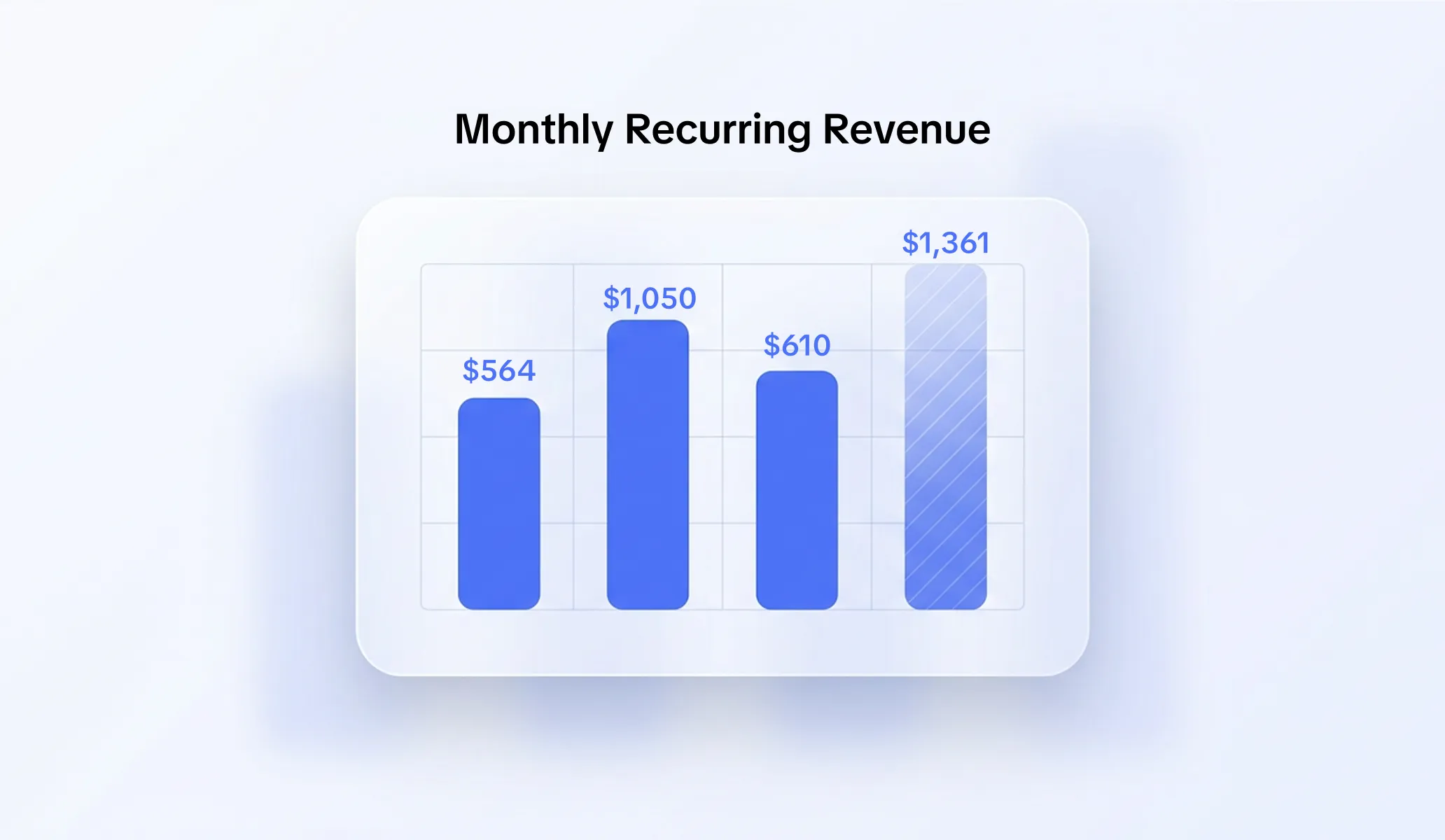
MRR (Monthly Recurring Revenue): How to Calculate MRR and Use MRR to Grow Your Subscription Business
Learn the meaning of MRR (monthly recurring revenue), how to calculate MRR using the MRR formula, and why MRR is important for SaaS companies. Discover how this important metric impacts cash flow per month, subscription business growth, and long-term performance for SaaS companies.
Subtica Team
Mobile App Performance Metrics: Top Metrics, Key KPIs & App Analytics for Mobile App Performance
Discover the most important mobile app metrics to track app performance, user engagement, and engagement and retention. Learn how mobile app analytics metrics, KPIs, and app analytics tools help optimize mobile app performance and drive growth.
Subtica Team

Revenue Management Software: Best Revenue Management Software to Streamline Revenue and Simplify Revenue Management
Learn how revenue management software and modern RMS platforms help subscription apps automate revenue operations, improve forecasting accuracy, and optimize recurring revenue with analytics and AI.
Subtica Team