
 Subtica Team
9 min read
Mobile App Analytics: How to Measure What Really Drives Growth
You’ve spent months building your mobile app, from product design and development to testing, launches, updates, and continuous improvements. All of this is backed by a meaningful budget. The app is finally live.

This is the point where most teams face the hardest question. Is the app actually working for the business, or is it simply existing in the store?
Installs may look impressive on a dashboard, but they rarely tell the full story. A growing number of downloads does not automatically mean growth. Users can install your app, open it once, and never return. They can subscribe and churn after the first billing cycle. They can generate activity without generating revenue.
At this stage, guessing is not just ineffective. It is risky.

What Is Mobile App Analytics?
Once an app goes live, data starts flowing immediately. Events fire, dashboards populate, charts begin to move. Very quickly, teams realize that visibility is not the same as understanding. Metrics change, numbers increase, yet key business questions remain unanswered.
Mobile app analytics connects user behavior to business outcomes. It goes beyond installs to show who stays, who pays, and who leaves, and when that happens. For subscription-based apps, this means understanding retention, revenue, and lifetime value across real user segments, rather than relying on averages that hide structural problems.
When analytics is set up correctly, it becomes a tool for decision-making rather than reporting. It highlights which users and acquisition channels actually drive growth, where value is being lost, and what needs to change before scaling further.
Metrics That Actually Matter After Launch
After launch, teams often track everything: sessions, events, installs, screen views, clicks. Dashboards fill up fast. The challenge is not a lack of data but lack of focus.
Not all metrics are equally important. Some reflect activity; others reflect progress. Mobile app analytics is about separating noise from signals, understanding which metrics reflect real growth.
At a high level, app metrics fall into two groups:
- Revenue and Unit Economics Metrics – answer whether the app can become a sustainable business, showing the value each user generates and how efficiently it is acquired.
- User Behavior and Retention Metrics – explain how users interact, return, and where engagement weakens over time.
Tracking both groups is essential. Revenue metrics without behavioral context hide why growth stalls. Engagement metrics without monetization context hide whether growth is profitable. The goal is not to track more metrics but to track the right ones and understand their interconnections.
Revenue and Unit Economics Metrics
Growth only matters if it is profitable. Revenue and subscription metrics show whether your mobile app can sustain itself, scale, and generate predictable returns.
The most common mistake teams make is looking at revenue in isolation. Total revenue can grow while the business model quietly breaks underneath. Subscription analytics exists to prevent that by showing how revenue, retention, and acquisition costs interact.
At the core of mobile app revenue analytics are four metrics:
Lifetime Value (LTV) reflects how much revenue a user generates over their entire relationship with the app. For subscription-based products, LTV depends on retention far more than on pricing. A small improvement in retention often increases LTV more than a price change.
Customer Acquisition Cost (CAC) shows how much it costs to bring one paying user into the app. On its own, CAC means little. It becomes useful only when compared to LTV. If LTV does not comfortably exceed CAC, growth amplifies losses instead of profit.
Average Revenue Per User (ARPU) helps understand monetization quality across different segments. Looking at ARPU by cohort, acquisition channel, or country often reveals gaps that are invisible in global averages.
Churn rate shows how quickly revenue leaks out of the system. In subscription apps, churn timing matters as much as churn volume. Early churn points to onboarding or product value issues. Later churn often signals pricing, content, or long-term engagement problems.
Together, these metrics define unit economics. They answer a simple question: does each new user make the business stronger or weaker?
User Behavior and Retention Metrics
Before revenue can grow, users have to stay. Retention and usage metrics show whether your app delivers ongoing value or simply attracts short-term attention.
The first signal of product health is not installs, but repeat usage. This is where activity metrics matter.
DAU and MAU measure how many users actively return to the app on a daily or monthly basis. The ratio between them shows habit strength. A high MAU with a weak DAU usually means the app is used occasionally. A strong DAU/MAU ratio indicates that the product is becoming part of the user’s routine.
However, activity alone is not enough. Understanding how users engage is just as important as how often they open the app.
Session depth and frequency reveal whether users complete meaningful actions or simply glance and leave. Longer sessions are not always better, but consistent interaction with core features is a strong signal of value. Sudden drops in session depth often point to UX friction, performance issues, or confusing flows.
This is where cohort analysis becomes critical. Looking at retention by install date, acquisition channel, or user type shows how engagement evolves over time. Some cohorts stabilize, others decay rapidly. Without cohorts, these differences disappear into averages.
Churn timing adds another layer of clarity. Early churn usually indicates onboarding or value proposition problems. Churn after several weeks or months often reflects content exhaustion, pricing sensitivity, or missing long-term engagement loops. Knowing when users leave is often more actionable than knowing how many leave.
Taken together, retention and usage analytics answer one essential question: does the product create lasting habits, or does engagement fade after first contact?
How to Measure Subscription Metrics
To collect and analyze user behavior data, there are many tools that help evaluate the performance of a software product.
- Google Analytics is a free tool from Google that gathers detailed statistics about visitors to websites and mobile apps. To use it, you simply embed a tracking code into your app, and the data is automatically sent to Google’s servers.
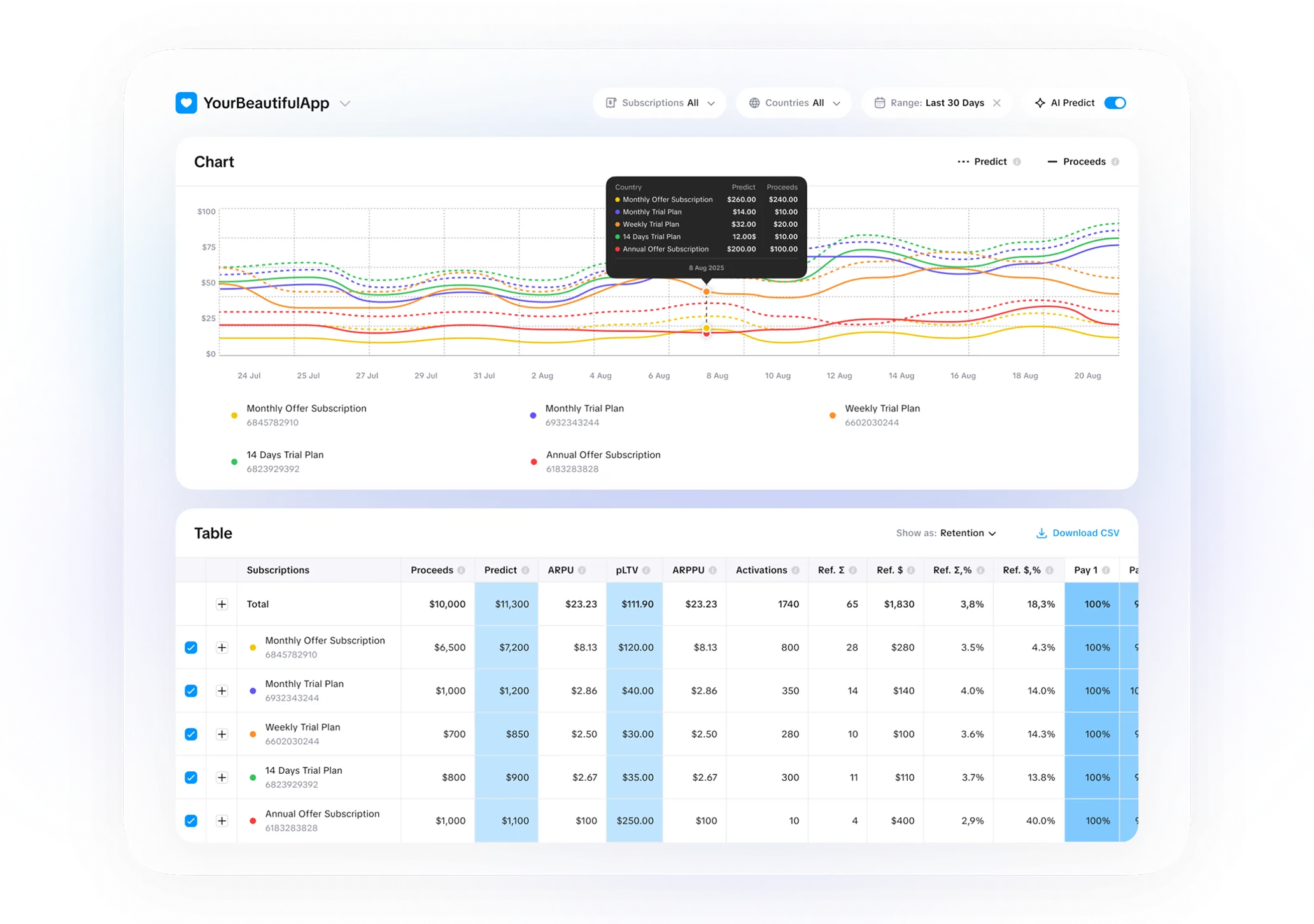
- Subtica is an analytics platform for mobile apps and subscription products, designed to focus on growth, retention, and revenue forecasting. It combines user behavior, subscription, and revenue data into a single interface, enabling analysis of retention, LTV, churn, and cohort metrics without relying on multiple separate tools.
The platform is especially useful for subscription-based apps and SaaS products. Subtica not only shows current metrics but also helps understand dynamics: when and why users churn, which cohorts deliver the most value, and how product changes impact future revenue. Instead of scattered reports and spreadsheets, Subtica provides a holistic view of product performance, allowing teams to make data-driven decisions rather than relying on assumptions.
Conclusion: Make Mobile App Analytics Work for Growth
To drive real growth, it’s essential to track the right mobile app analytics. Metrics like retention, session depth, churn rate, and subscription revenue reveal not just what happens in your app, but why. With actionable insights, you can optimize engagement, reduce churn, and maximize lifetime value (LTV).
KPIs should be tailored to your app, business goals, and market context. Regular monitoring – weekly, monthly, or quarterly – helps optimize subscription management, improve user experience, and increase revenue. Analytics is not just visibility; it’s the tool to make informed decisions and prevent avoidable churn.
Ready to turn data into growth? With Subtica, you can track retention, analyze cohorts, monitor subscription revenue, and forecast LTV – all in one platform. Start making smarter product decisions today and unlock the full potential of your mobile app.
Want to Apply These Insights to Your App?
Track subscription metrics, reduce churn, and scale your iOS app revenue with Subtica’s subscription analytics platform.


Related Articles
Subscription Analytics Dashboard for SaaS: Data-Driven Metrics and Revenue Insights for iOS Apps
Subscription analytics helps SaaS and subscription businesses turn data into valuable insight. Learn how subscription analytics software tracks subscription metrics, payments, and performance with customizable dashboards, charts, and one-click reports.
Subtica Team

Subscription Business Metrics to Track: Essential SaaS Metrics for Every Subscription Business
Discover the key subscription metrics every business should monitor. Learn which key metrics SaaS companies and subscription businesses use, the most important metric to track, and how a strong analytics system helps monitor subscription metrics and growth.
Subtica Team

Predictive Analytics Examples, Applications, and Algorithms for Subscription Apps
Predictive analytics helps businesses forecast trends using algorithms and data models. Learn how predictive analytics works, key use cases like fraud detection, and how companies use predictive analytics to forecast future outcomes.
Subtica Team

Predictive Analytics Definition: What Is Predictive Analytics and How It Works
Predictive analytics uses machine learning, data mining, and statistical models to predict future outcomes. Learn the predictive analytics definition and how businesses use predictive analytics with historical data and current data to forecast trends.
Subtica Team

Customer Churn Rate Analysis for SaaS: How to Calculate Churn Rate, Perform a Churn Analysis, and Improve Retention
Learn how to calculate customer churn rate with practical churn analysis techniques. Understand customer churn, revenue churn, and retention metrics while analyzing your churn to improve retention and reduce churn rate.
Subtica Team
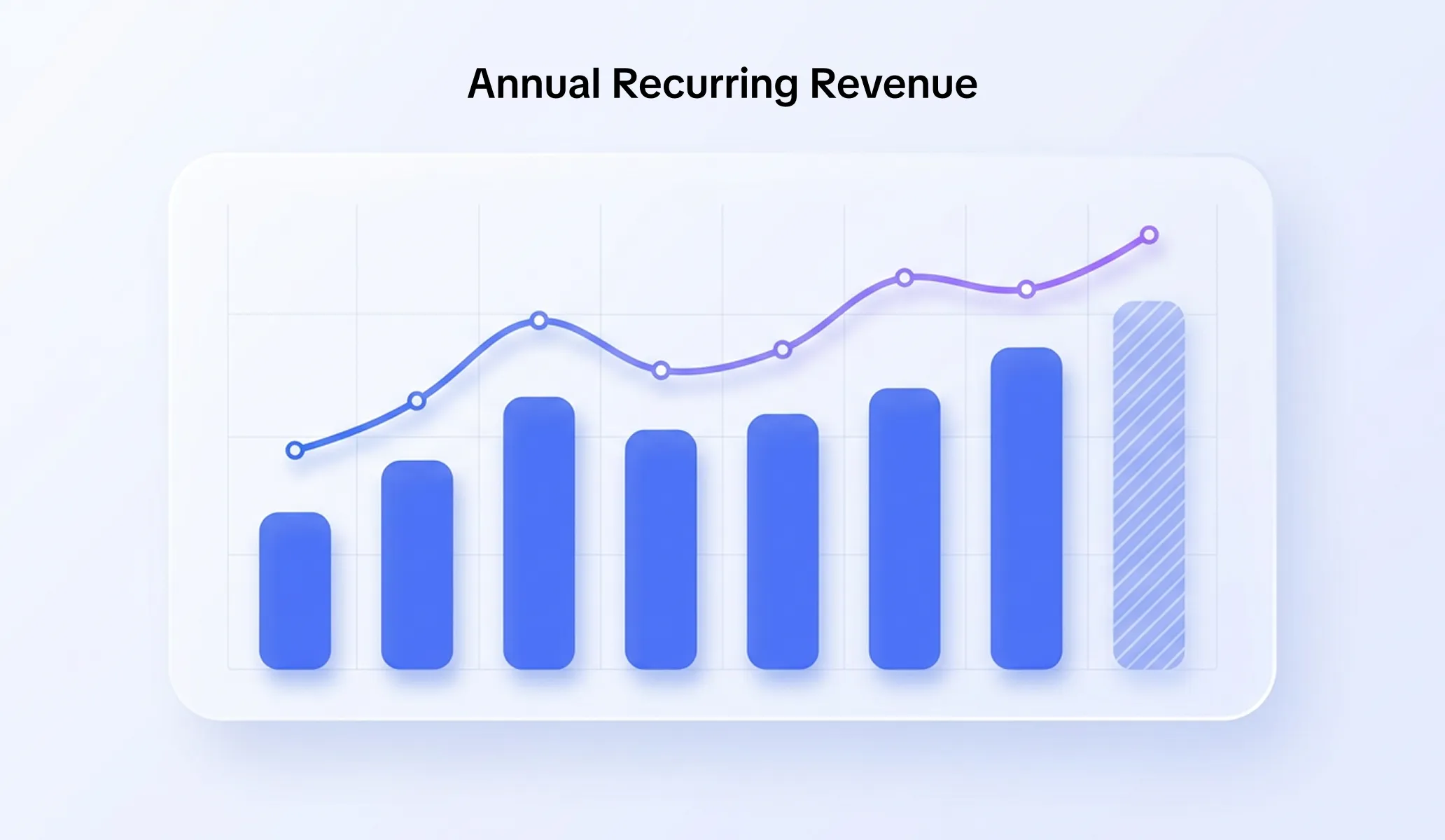
ARR Revenue: Annual Recurring Revenue Calculation, Recurring Revenues & How to Calculate ARR for SaaS Business Billing
ARR revenue (annual recurring revenue) is a core metric for subscription and SaaS business models. In this guide to annual recurring revenue, learn how to calculate ARR, understand recurring revenues, and improve revenue growth. Discover ARR calculation methods, why this SaaS metric matters, and how annual recurring revenue supports predictable subscription business performance.
Subtica Team
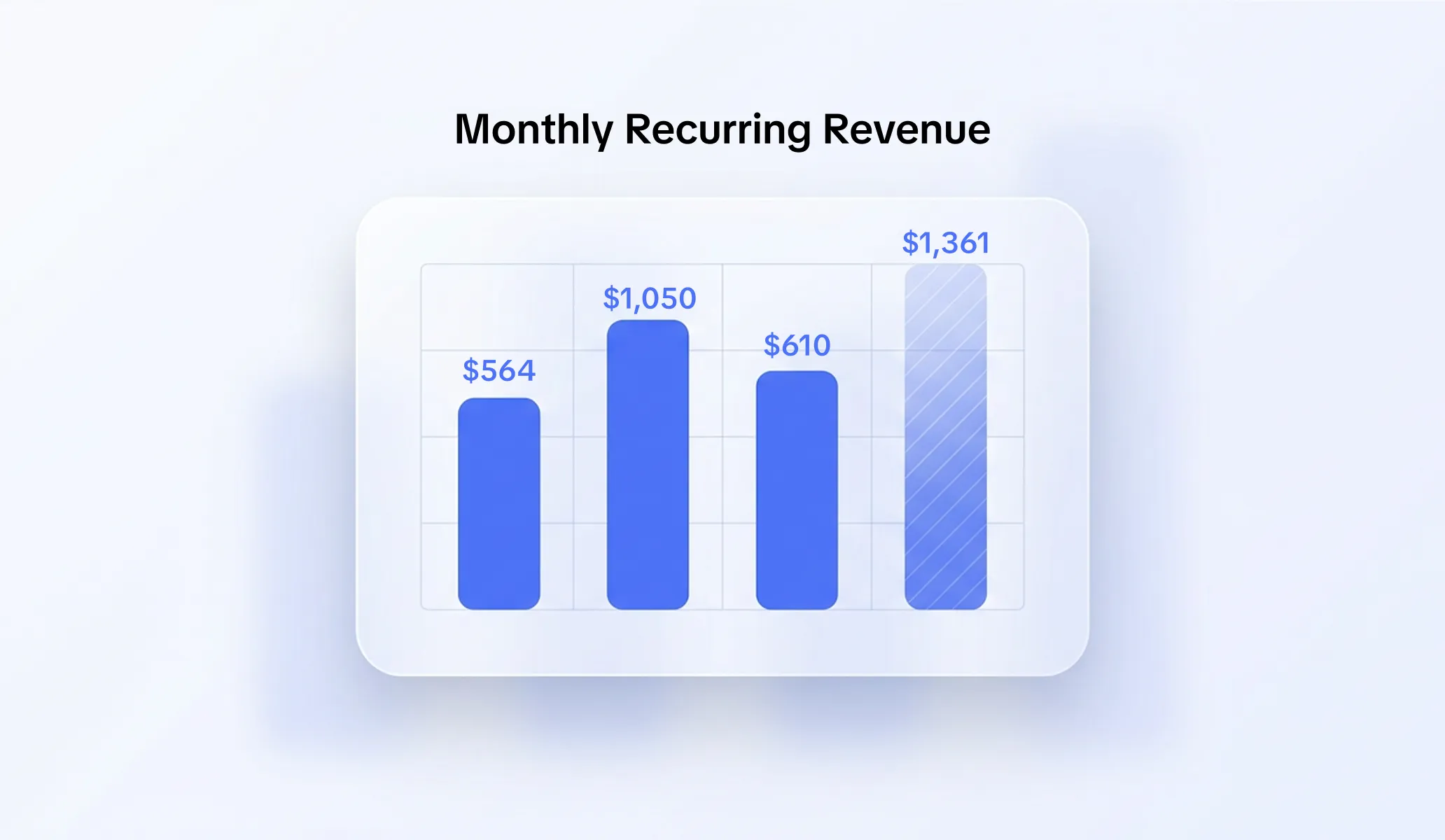
MRR (Monthly Recurring Revenue): How to Calculate MRR and Use MRR to Grow Your Subscription Business
Learn the meaning of MRR (monthly recurring revenue), how to calculate MRR using the MRR formula, and why MRR is important for SaaS companies. Discover how this important metric impacts cash flow per month, subscription business growth, and long-term performance for SaaS companies.
Subtica Team
Mobile App Performance Metrics: Top Metrics, Key KPIs & App Analytics for Mobile App Performance
Discover the most important mobile app metrics to track app performance, user engagement, and engagement and retention. Learn how mobile app analytics metrics, KPIs, and app analytics tools help optimize mobile app performance and drive growth.
Subtica Team

Revenue Management Software: Best Revenue Management Software to Streamline Revenue and Simplify Revenue Management
Learn how revenue management software and modern RMS platforms help subscription apps automate revenue operations, improve forecasting accuracy, and optimize recurring revenue with analytics and AI.
Subtica Team