
 Subtica Team
16 min read
Mobile App Analytics: How Mobile Analytics Helps Optimize Mobile Apps
Mobile apps generate enormous volumes of analytics data every day. Every tap, screen view, purchase, and app launch produces valuable signals about how mobile users interact within your app. Mobile app analytics helps product teams collect and analyze data from mobile devices to understand user behavior, improve the mobile experience, and optimize overall performance.

For modern digital products — especially subscription apps on the app store — analytics platforms provide actionable insights that allow teams to track user journeys, improve conversion rates, reduce churn, and optimize the mobile app experience across different mobile platforms.
For subscription iOS apps, platforms like Subtica provide advanced App Analytics, Subscription Analytics, Revenue Analytics, Cohort Analysis, Revenue Forecasting, ARPU tracking, and Predictive Analytics to help companies understand user behavior and improve monetization strategies.

What Is Mobile App Analytics?
Mobile app analytics is the process of collecting, measuring, and analyzing data from mobile applications to understand how mobile users navigate an app, how they engage with features, and how app performance affects user experience.
Analytics platforms track app metrics, app events, feature usage, conversion funnels, retention metrics, and revenue data. By analyzing these signals, product teams can optimize your app, improve user journeys, and ensure users have a smooth experience across different mobile devices.
Mobile analytics also helps companies detect problems such as app crashes, slow load times, or friction in conversion funnels, enabling faster app improvements.
Mobile App Analytics Definition for Mobile Apps
Mobile app analytics refers to the systematic collection and analysis of mobile app metrics and behavioral analytics data to better understand how users interact with mobile applications.
This process helps teams:
- track user engagement and feature usage
- monitor app launches and conversion funnels
- analyze retention and churn trends
- measure revenue performance
- optimize mobile app experiences
Using tools like Subtica, product teams can analyze data from mobile platforms and transform it into actionable insights that support better product development and monetization decisions.
How Mobile App Analytics Work with Mobile Data
Mobile analytics platforms collect data from mobile devices through embedded SDKs inside the app.
These SDKs capture events such as:
- app launches
- screen views
- feature usage
- subscription purchases
- in-app events
- crash analytics signals
All these app events create structured datasets that analytics tools analyze in real time.
Once collected, analytics platforms process this data to produce mobile app metrics, dashboards, and reports that help teams understand user journeys, user engagement, and overall performance.
Platforms like Subtica go further by applying machine learning and predictive analytics to detect churn risk, forecast revenue, and uncover hidden behavioral patterns.
Mobile Analytics vs Web Analytics: Key Differences
Although both mobile analytics and web analytics analyze user behavior, there are important differences.
| Category | Mobile Analytics | Web Analytics |
|---|---|---|
| Environment | Mobile devices | Web browsers |
| Data signals | App events, feature usage, app launches | Page views, clicks |
| Tracking | SDK-based tracking | Browser-based tracking |
| Performance data | Load times, crash analytics | Page speed |
| Behavior modeling | User journeys within apps | Navigation across pages |
Mobile analytics also focuses heavily on mobile experience, user engagement, retention, and monetization, while web analytics often focuses on traffic acquisition and page performance.
Why Mobile Analytics Is Important for Mobile Apps
Understanding mobile users is essential for improving product performance and building successful mobile apps.
Without analytics, app developers cannot accurately measure how users interact with features, where friction appears in the user journey, or why users stop using the app.
Mobile analytics helps teams:
- better understand user behavior
- identify problems affecting user experience
- measure conversion rates and monetization
- optimize feature usage
- reduce churn
- improve overall performance
For subscription apps, mobile analytics also helps teams measure revenue trends and forecast growth.
Why Mobile App Analytics Is Important for App Performance
Mobile app analytics is critical for maintaining a high-quality mobile app experience.
Analytics platforms allow teams to monitor:
- load times and performance issues
- app crashes
- feature adoption
- user journeys and drop-off points
- conversion funnels
When teams analyze these metrics, they can quickly detect problems and implement app improvements that keep users coming back.
Advanced platforms like Subtica combine App Analytics and Product Analytics to ensure product teams always have a clear understanding of user behavior and performance metrics.
How Mobile Analytics Helps Improve Mobile App Performance
Mobile analytics provides the visibility needed to optimize app experiences.
Using analytics, teams can:
- detect performance bottlenecks
- analyze how users navigate within your app
- identify friction points in conversion funnels
- monitor crash analytics and system stability
- improve feature adoption
These insights help companies optimize your app, deliver a smoother mobile experience, and ensure users have a smooth experience across different devices.
Using Mobile Analytics for Data-Driven Product Decisions
Mobile analytics enables teams to move from intuition-based development to data-driven product decisions.
By analyzing analytics data, product managers can:
- prioritize features with high engagement
- improve low-performing screens
- redesign conversion funnels
- reduce churn
- optimize onboarding
Analytics platforms like Subtica provide actionable dashboards and real-time monitoring and alerts so teams can react quickly when metrics change.
Key KPIs in Mobile App Analytics
Mobile app analytics relies on multiple KPIs that measure engagement, retention, monetization, and performance.
Tracking the right mobile app metrics helps teams evaluate whether their product is growing or losing users.
Core Mobile App Analytics KPIs for Mobile Apps
Core KPIs include:
- daily active users (DAU)
- monthly active users (MAU)
- retention rate
- session length
- churn rate
- conversion rates
- ARPU (average revenue per user)
Platforms like Subtica track these metrics like retention and ARPU using advanced Subscription Analytics and Revenue Analytics dashboards.
Engagement Metrics: DAU, MAU, Retention and Session Data
Engagement metrics measure how actively mobile users interact with an app.
Key metrics include:
- DAU and MAU
- session duration
- frequency of app launches
- feature usage
- retention rates
These metrics reveal whether users continue to use your app and whether the mobile experience keeps users engaged.
Cohort analysis tools help identify retention trends and show how different user groups behave across different time periods.
Revenue and Monetization KPIs for Subscription Apps
Subscription apps rely on additional monetization metrics such as:
- ARPU
- subscription conversion rates
- trial-to-paid conversion
- churn rate
- recurring revenue growth
Subtica provides Subscription Analytics, Revenue Analytics, and Revenue Forecasting tools that allow companies to track monetization performance and forecast future revenue.
Different Types of Mobile Analytics
Modern analytics platforms provide multiple types of analytics capabilities.
Product and In-App Analytics for Mobile Apps
Product analytics focuses on how users interact with features within your app.
These tools track:
- user journeys
- feature usage
- conversion funnels
- behavioral analytics patterns
Platforms like Amplitude and Subtica help product teams better understand how mobile users navigate apps and which features drive engagement.
Mobile App Performance Analytics
Performance analytics tracks technical metrics such as:
- load times
- app crashes
- crash analytics reports
- device compatibility issues
Crash analytics helps teams quickly detect bugs and ensure users have a smooth experience across different mobile platforms.
Marketing and Attribution Analytics for Mobile Apps
Marketing analytics measures how users arrive at the app and which acquisition channels drive growth.
Typical metrics include:
- installs
- campaign attribution
- conversion rates
- marketing ROI
App store analytics also helps companies evaluate how their product performs in the App Store.
Monetization and Revenue Analytics for Subscription Apps
Revenue analytics focuses on subscription performance.
Subtica provides:
- Revenue Analytics
- ARPU tracking
- Subscription Analytics
- Revenue Forecasting
These tools allow companies to analyze subscription growth and identify monetization opportunities.
How Mobile App Analytics Tools Work
Mobile analytics platforms process large amounts of behavioral and performance data.
How Analytics Tools Collect Mobile Data
Analytics tools collect data from mobile apps using SDK integrations.
These systems capture:
- app launches
- app events
- subscription transactions
- feature usage
- crash analytics signals
This data is processed to create dashboards and actionable insights.
Event Tracking and User Behavior Analytics
Event tracking captures specific actions performed by users.
Examples include:
- opening a feature
- completing onboarding
- purchasing a subscription
- interacting with content
Behavioral analytics helps product teams develop a deeper understanding of user behavior.
Cohort Analysis and Retention Tracking
Cohort analysis groups users based on shared characteristics.
For example:
- users who installed the app on the same day
- users from the same acquisition channel
- users who started a subscription
Subtica’s Cohort Analysis tools help teams understand retention trends and churn behavior.
Mobile App Analytics Tools: Choosing the Right Tools
Choosing the right analytics platform is essential for scaling mobile apps.
Key Features of Mobile App Analytics Tools
Important features include:
- real-time monitoring and alerts
- event tracking
- behavioral analytics
- crash analytics
- revenue analytics
- predictive analytics
Next generation analytics platforms also use machine learning to generate insights automatically.
Why Subscription Apps Need Specialized Analytics Tools
Subscription apps require deeper analytics capabilities.
Teams must track:
- churn
- recurring revenue
- subscription conversions
- lifetime value
- ARPU
Subtica is designed specifically for analytics for subscription iOS apps, combining Product Analytics, Revenue Analytics, Cohort Analysis, and Predictive Analytics in one platform.
Using Mobile Analytics to Improve Mobile App Performance
Analytics insights help teams continuously improve mobile products.
Use Mobile Analytics to Increase User Retention
Retention improves when teams understand why users leave.
Analytics tools reveal:
- where users drop off
- what features drive engagement
- how onboarding affects retention
These insights help teams create better app experiences that keep users coming back.
Use Mobile Analytics to Improve Feature Adoption
Feature adoption analytics helps teams learn how to use analytics data to improve product design.
If users ignore certain features, product teams can redesign UI flows or onboarding.
Use Mobile Analytics to Optimize Conversions and Revenue
Conversion funnels reveal where users abandon subscription purchases.
Optimizing these funnels can significantly improve conversion rates and revenue performance.
Mobile App Analytics Best Practices
Successful teams follow structured analytics practices.
Track Multiple KPIs Instead of One Metric
Relying on a single metric can lead to misleading conclusions.
Teams should track a combination of engagement, retention, performance, and revenue metrics.
Combine Product Analytics and Marketing Analytics
Combining product and marketing data helps companies better understand the entire user journey.
Use Mobile Analytics for Continuous App Optimization
Analytics should be used continuously to optimize your app and improve the mobile experience.
Common Mobile App Analytics Mistakes to Avoid
Many companies fail to use analytics effectively.
Relying Only on Default Mobile Analytics Tools
Basic tools may lack advanced analytics features needed for scaling subscription apps.
Ignoring Mobile App Performance Metrics
Performance issues like load times or app crashes significantly impact user experience.
Focusing Only on Installs Instead of User Behavior
Installs alone do not indicate success.
Teams must analyze how users interact and whether they stay engaged.
Poor Mobile Data Governance and Tracking Setup
Incorrect event tracking can lead to inaccurate analytics data.
Proper tracking architecture is essential.
Mobile App Analytics Metrics Table for Mobile Apps
The table below highlights the most important mobile app metrics that product teams track to analyze user behavior, measure engagement, and evaluate overall app performance.
Mobile App Analytics KPIs and Metrics Overview
| Metric | Description |
|---|---|
| DAU | Daily active users |
| MAU | Monthly active users |
| Retention Rate | Percentage of returning users |
| Churn Rate | Percentage of users who stop using the app |
| ARPU | Average revenue per user |
| Conversion Rate | Percentage of users completing key actions |
Key Metrics Used in Mobile Analytics Platforms
Analytics platforms track mobile app metrics such as retention, engagement, feature usage, and revenue performance.
These metrics help teams analyze data, optimize product strategy, and improve app experiences.
Mobile App Analytics Examples for Product Teams
The following examples show how product teams use mobile app analytics data to understand user behavior, optimize user journeys, and improve overall app performance.
Example: Improving Mobile App Retention with Analytics
A subscription fitness app analyzes cohort data and discovers that most users churn after the first week.
Using cohort analysis and behavioral analytics, the team redesigns onboarding and improves retention.
Example: Using Mobile Data to Optimize Monetization
A gaming app analyzes subscription conversion funnels and identifies drop-off points during checkout.
By optimizing the purchase flow, the team increases conversion rates.
Example: Using Analytics Tools to Improve App Performance
Crash analytics reveals frequent crashes on specific devices.
Developers fix the issue and improve overall performance and user satisfaction.
How Subtica Helps Subscription iOS Apps Use Mobile App Analytics
Subtica is a next generation analytics platform built specifically for subscription iOS apps.
Analytics for Subscription iOS Apps
Subtica provides specialized tools for subscription-based mobile apps including:
- App Analytics
- Subscription Analytics
- Revenue Analytics
- Revenue Forecasting
- Cohort Analysis
- ARPU tracking
- Predictive Analytics
Product Analytics, Revenue Analytics, and Cohort Analysis
These tools allow companies to better understand user behavior, track retention trends, and monitor monetization metrics.

Predictive Analytics for Mobile Subscription Growth
Subtica also uses machine learning to generate predictive insights.
Predictive analytics helps companies forecast revenue, detect churn risks, and identify opportunities for growth.
FAQ About Mobile App Analytics
What is mobile app analytics?
Mobile app analytics is the process of collecting and analyzing data from mobile applications to understand user behavior, track performance, and improve app experiences.
Why is mobile analytics important for mobile apps?
Mobile analytics helps teams understand how users interact with an app, measure engagement and retention, and optimize product performance.
How do mobile app analytics tools work?
Analytics tools collect event data from mobile devices through SDK integrations and process this information to produce dashboards, reports, and actionable insights.
What KPIs should mobile apps track in analytics?
Key KPIs include DAU, MAU, retention rate, churn rate, conversion rates, ARPU, and feature usage metrics.
What are the different types of mobile analytics?
Main types include product analytics, marketing analytics, performance analytics, and revenue analytics.
What are common mobile analytics mistakes to avoid?
Common mistakes include relying on default tools, ignoring performance metrics, focusing only on installs, and poor event tracking setup.
How can analytics improve mobile app performance?
Analytics helps identify performance issues, optimize user journeys, and improve engagement, retention, and monetization.
Which analytics tools are best for subscription mobile apps?
Subscription apps benefit from specialized analytics platforms like Subtica, which combine App Analytics, Subscription Analytics, Revenue Analytics, Cohort Analysis, and Predictive Analytics in one platform.
Want to Apply These Insights to Your App?
Track subscription metrics, reduce churn, and scale your iOS app revenue with Subtica’s subscription analytics platform.


Related Articles
Subscription Analytics Dashboard for SaaS: Data-Driven Metrics and Revenue Insights for iOS Apps
Subscription analytics helps SaaS and subscription businesses turn data into valuable insight. Learn how subscription analytics software tracks subscription metrics, payments, and performance with customizable dashboards, charts, and one-click reports.
Subtica Team
Subscription Business Metrics to Track: Essential SaaS Metrics for Every Subscription Business
Discover the key subscription metrics every business should monitor. Learn which key metrics SaaS companies and subscription businesses use, the most important metric to track, and how a strong analytics system helps monitor subscription metrics and growth.
Subtica Team
Predictive Analytics Examples, Applications, and Algorithms for Subscription Apps
Predictive analytics helps businesses forecast trends using algorithms and data models. Learn how predictive analytics works, key use cases like fraud detection, and how companies use predictive analytics to forecast future outcomes.
Subtica Team
Predictive Analytics Definition: What Is Predictive Analytics and How It Works
Predictive analytics uses machine learning, data mining, and statistical models to predict future outcomes. Learn the predictive analytics definition and how businesses use predictive analytics with historical data and current data to forecast trends.
Subtica Team
Customer Churn Rate Analysis for SaaS: How to Calculate Churn Rate, Perform a Churn Analysis, and Improve Retention
Learn how to calculate customer churn rate with practical churn analysis techniques. Understand customer churn, revenue churn, and retention metrics while analyzing your churn to improve retention and reduce churn rate.
Subtica Team
ARR Revenue: Annual Recurring Revenue Calculation, Recurring Revenues & How to Calculate ARR for SaaS Business Billing
ARR revenue (annual recurring revenue) is a core metric for subscription and SaaS business models. In this guide to annual recurring revenue, learn how to calculate ARR, understand recurring revenues, and improve revenue growth. Discover ARR calculation methods, why this SaaS metric matters, and how annual recurring revenue supports predictable subscription business performance.
Subtica Team
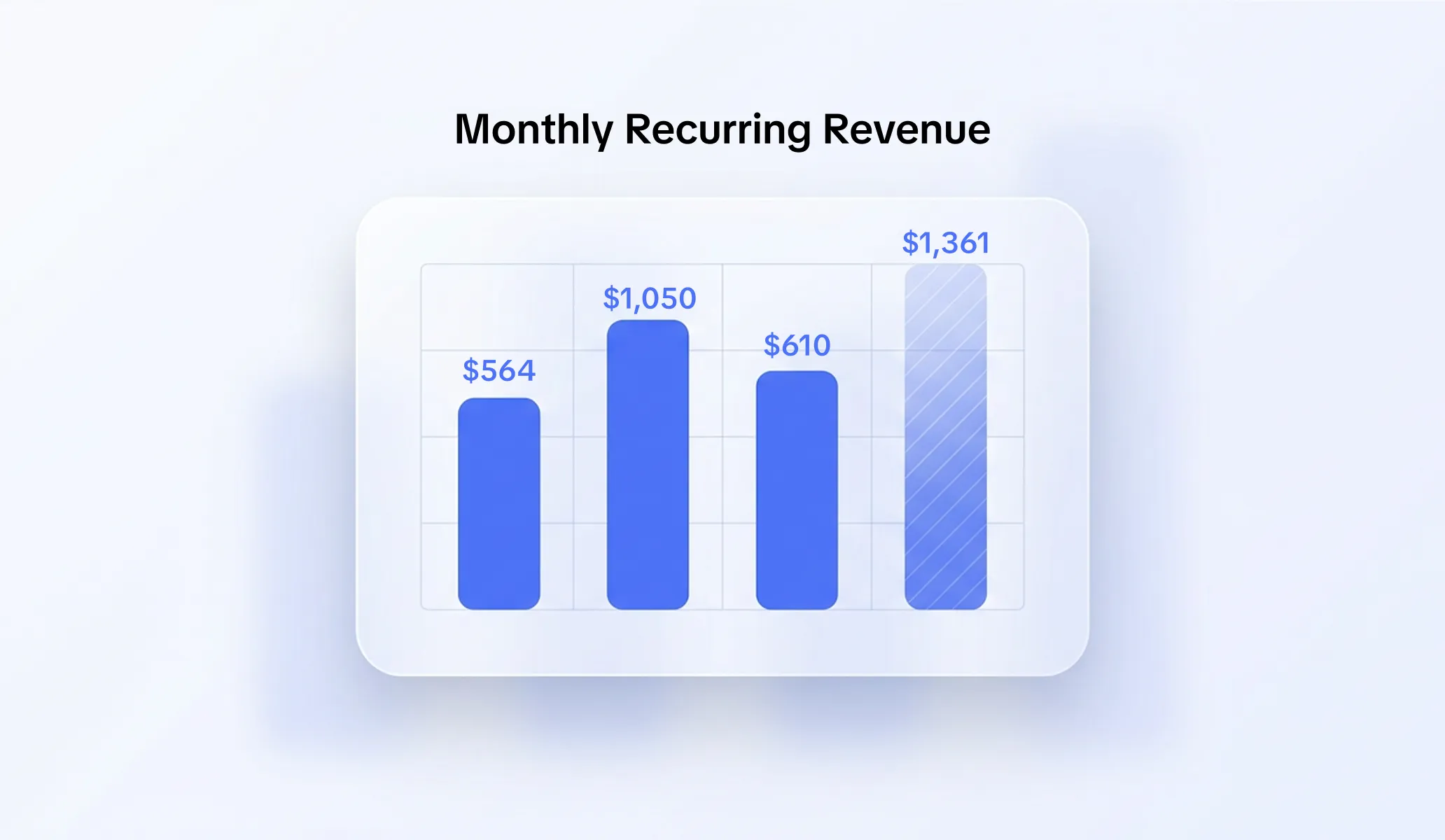
MRR (Monthly Recurring Revenue): How to Calculate MRR and Use MRR to Grow Your Subscription Business
Learn the meaning of MRR (monthly recurring revenue), how to calculate MRR using the MRR formula, and why MRR is important for SaaS companies. Discover how this important metric impacts cash flow per month, subscription business growth, and long-term performance for SaaS companies.
Subtica Team
Mobile App Performance Metrics: Top Metrics, Key KPIs & App Analytics for Mobile App Performance
Discover the most important mobile app metrics to track app performance, user engagement, and engagement and retention. Learn how mobile app analytics metrics, KPIs, and app analytics tools help optimize mobile app performance and drive growth.
Subtica Team
Revenue Management Software: Best Revenue Management Software to Streamline Revenue and Simplify Revenue Management
Learn how revenue management software and modern RMS platforms help subscription apps automate revenue operations, improve forecasting accuracy, and optimize recurring revenue with analytics and AI.
Subtica Team