
 Subtica Team
10 min read
Predictive Analytics Definition: What Is Predictive Analytics and How It Works
Predictive analytics is a branch of data analytics that uses historical data, machine learning, and statistical models to identify patterns and predict future outcomes. Companies rely on predictive data analytics to analyze past behavior and forecast future trends, helping them make better business decisions.
Modern predictive analytics combines data science, data mining techniques, machine learning algorithms, and artificial intelligence to analyze large datasets and generate accurate predictions. Instead of simply reporting what already happened, predictive analytics focuses on using historical data and current data to estimate what is likely to happen next.
For digital products such as subscription apps, predictive analytics can forecast subscription revenue, identify potential churn, and estimate future customer behavior.
Platforms like Subtica integrate predictive analytics into App Analytics, Subscription Analytics, and Revenue Analytics, enabling product teams to transform raw data points into actionable insights.

What Is Predictive Analytics? Predictive Analytics Definition
A simple predictive analytics definition is:
Predictive analytics is the practice of analyzing current and historical data using machine learning models and statistical modeling techniques to predict future trends and outcomes.
Organizations collect data from multiple sources such as:
- application events
- marketing platforms
- customer databases
- cloud data systems
- data warehouses
After gathering the dataset, analysts prepare the data, handle missing data points, and apply predictive modeling techniques.
These models learn from patterns in the data and generate predictions about future behavior, such as:
- customer churn
- subscription growth
- conversion rates
- revenue forecasts
Data scientists use machine learning tools, regression analysis, and time series analysis to build models that continuously improve as new data arrives.
Predictive analytics allows organizations to transform raw data into predictive insights that support strategic planning and product growth.
Why Predictive Analytics Matters for Business Intelligence and Modern Analytics
In modern analytics ecosystems, organizations collect enormous volumes of big data. Without advanced analytics, much of this information remains unused.
Predictive analytics helps businesses:
- forecast future outcomes
- identify future trends
- improve marketing strategies
- detect risks or fraud
- optimize product growth
Instead of reacting to past performance, companies can use predictive analytics to anticipate future behavior.
For subscription businesses, this is especially important. Predictive models can estimate:
- future subscription revenue
- user retention
- churn probability
- conversion likelihood
In Subtica’s Revenue Forecasting and Predictive Analytics modules, product teams can analyze historical subscription data, identify revenue patterns, and forecast future outcomes for iOS subscription apps.
The Four Types of Analytics in Data Analysis
Modern data analytics is typically divided into four categories.Descriptive Analytics
Descriptive analytics answers the question: What happened?
It summarizes current data and historical performance using dashboards and reports. Common examples include:
- revenue dashboards
- user engagement reports
- subscription metrics
Subtica’s App Analytics and Subscription Analytics dashboards provide descriptive analytics that track performance across subscription apps.
Diagnostic Analytics
Diagnostic analytics explains why something happened.
Teams analyze datasets and apply data mining techniques to uncover root causes. For example, diagnostic analytics may identify why churn increased after a product update or why a marketing campaign underperformed.
Predictive Analytics
Predictive analytics focuses on what will happen next.
Using machine learning algorithms, regression models, and time series models, analysts examine patterns based on historical data to generate predictions.
Examples include:
- forecasting subscription revenue
- predicting churn probability
- estimating future growth
Subtica uses predictive analytics to help mobile apps forecast subscription performance and revenue growth.
Prescriptive Analytics
Prescriptive analytics goes one step further by recommending what action should be taken.
Using advanced analytics and optimization algorithms, prescriptive systems suggest strategies to improve outcomes, such as adjusting pricing or optimizing marketing campaigns.
How Predictive Analytics Work in Modern Analytics Platforms
Predictive analytics platforms follow a structured process that transforms raw data into predictions.
Data Collection and Predictive Analysis
The first step is collecting relevant types of data from multiple sources:
- app events
- subscription transactions
- user behavior data
- marketing data
- cloud data platforms
This information is stored in a data warehouse where analysts can prepare the data and combine multiple datasets.
Predictive analytics models rely on current and historical data to identify patterns in the dataset.
Building a Predictive Model
Once the data is prepared, analysts create a statistical model or machine learning model.
Common modeling techniques include:
- regression models
- classification models
- clustering algorithms
- neural networks
The model analyzes the relationships between different data points and identifies signals that indicate future behavior.
Training and Improving a Predictive Analytics Model
After building the model, teams train it using machine learning algorithms.
The training process involves:
- feeding the model historical data
- testing predictions
- adjusting model parameters
- improving accuracy
Over time, models improve as they process new data and refine predictions.
Organizations can then deploy predictive models within analytics platforms so teams can continuously monitor future trends.

How Businesses Use Predictive Analytics to Generate Insights
Businesses across industries use predictive analytics to uncover valuable insights and support data-driven business decisions.
Predictive analytics helps organizations:
- forecast revenue and growth
- predict customer churn
- identify fraud
- optimize marketing strategies
- personalize customer experiences
For subscription-based products, predictive analytics can also estimate:
- ARPU growth
- customer lifetime value
- subscription retention
With Subtica, product teams can combine Revenue Analytics, Cohort Analysis, and Predictive Analytics to analyze subscription performance and anticipate future revenue patterns.
Predictive Analytics Techniques and Predictive Models
Different predictive modeling techniques are used depending on the type of data and the business objective.
Regression Predictive Model
Regression analysis is one of the most widely used predictive modeling techniques.
Regression models analyze relationships between variables and predict numerical outcomes such as revenue or conversion rates.
Examples include:
- linear regression models
- multiple regression models
- polynomial regression
These models are often used for revenue forecasting and financial predictions.
Classification Models
Classification models categorize data into predefined groups.
For example, predictive models may classify users as:
- likely to churn
- likely to convert
- high-value customers
These models help businesses target specific user segments.
Clustering in Predictive Analysis
Clustering groups similar users based on behavior or attributes.
This method is widely used for customer segmentation and personalization.
Neural Networks in Predictive Analytics
Neural networks are advanced deep learning models inspired by the structure of the human brain.
They can analyze extremely large datasets and detect complex patterns in big data.
Neural networks are commonly used in industries such as healthcare, finance, and marketing analytics.
Decision Tree Predictive Model
Decision trees create a structured set of rules that help classify outcomes.
They are easy to interpret and commonly used for risk detection and churn prediction.
Time Series Forecasting Models
Time series models analyze data collected over time.
Using time series analysis, organizations can detect seasonal patterns and forecast future trends such as:
- revenue growth
- subscription trends
- marketing performance
Types of Predictive Analytics Models Used in Business Intelligence
Different predictive models are used depending on the problem being solved. Common types of predictive models include:
- regression models
- classification models
- clustering algorithms
- decision trees
- neural networks
- time series models
These models enhance predictive capabilities and help organizations transform raw predictive data into meaningful insights.
Predictive Analytics Use Cases and Business Applications
Predictive analytics can be applied across a wide range of business functions.
Revenue Forecasting and Subscription Forecasting
Subscription businesses rely heavily on revenue forecasting.
Using predictive analytics, companies analyze historical subscription data and estimate future revenue outcomes.
Subtica’s Revenue Forecasting tools help mobile app companies forecast future subscription revenue and track long-term growth trends.
Customer Behavior and Conversion Prediction
Predictive analytics can analyze behavioral signals and predict:
- which users will convert
- which users will upgrade
- which users will cancel
This helps teams optimize marketing campaigns and improve conversion rates.
Churn Prediction and Retention Analysis
Churn prediction models identify customers who are likely to cancel subscriptions.
Product teams can then launch retention campaigns or improve product features to reduce churn.
Risk Detection and Fraud Prevention
Financial organizations use predictive models to detect fraud, unusual transactions, or suspicious activity.
These models analyze large datasets and identify patterns that indicate potential risk.
Customer Segmentation Using Predictive Analytics
Predictive analytics also helps companies categorize users into segments based on behavior, engagement, or spending patterns.
This enables more targeted marketing strategies and personalized experiences.
Benefits of Predictive Analytics for Data-Driven Businesses
Predictive analytics provides several advantages for organizations that rely on data.
Key benefits include:
- more accurate revenue forecasting
- improved customer retention
- better marketing campaign performance
- faster data-driven decision making
- stronger product strategy
By combining machine learning, data mining, and advanced analytics, predictive analytics enables companies to transform raw data into actionable insights.
Predictive Analytics Examples Across Industries
Predictive analytics is widely used across many industries.
Examples include:
- healthcare predicting patient outcomes
- finance detecting fraud
- retail forecasting demand
- marketing predicting campaign performance
- SaaS forecasting subscription revenue
These use cases demonstrate how predictive models help organizations predict future trends and outcomes.
SaaS and Subscription Business Intelligence
SaaS companies rely heavily on predictive analytics to forecast growth and optimize pricing models.
Using predictive models, SaaS businesses can estimate:
- customer lifetime value
- churn probability
- revenue growth
- customer acquisition efficiency
Platforms like Subtica provide specialized analytics designed for subscription products and SaaS metrics.
Mobile App Analytics and Subscription Revenue Forecasting
Mobile apps increasingly rely on subscription monetization.
Predictive analytics allows app developers to analyze:
- user engagement
- subscription conversions
- retention patterns
Subtica’s App Analytics, Subscription Analytics, and Revenue Forecasting tools help iOS subscription apps forecast future revenue and optimize monetization strategies.

Marketing and Customer Behavior Prediction
Marketing teams use predictive analytics to identify which users are most likely to engage with a campaign.
Predictive models analyze user behavior, previous purchases, and engagement data to improve marketing strategies.
This allows teams to allocate budgets more efficiently and improve conversion rates.
Using Predictive Analytics for Subscription iOS Apps and SaaS Analytics
Subscription apps generate large amounts of behavioral data.
Predictive analytics can transform this information into insights that help teams:
- forecast subscription revenue
- identify churn risks
- analyze cohort performance
- optimize user acquisition
With Subtica’s Cohort Analysis, ARPU analytics, and Predictive Analytics dashboards, teams can track performance and forecast future subscription outcomes.
Predictive Analytics Dashboard and Metrics (Table Section)
| Metric | Description | Business Value |
|---|---|---|
| MRR Forecast | Predicted monthly recurring revenue | Revenue planning |
| Churn Probability | Estimated churn risk | Retention optimization |
| ARPU Forecast | Predicted average revenue per user | Pricing strategy |
| Conversion Probability | Likelihood of subscription conversion | Marketing optimization |
| Customer Lifetime Value | Predicted user value | Growth strategy |
Predictive Analytics Models Comparison (Table Section)
| Model Type | Best Use Case | Example |
|---|---|---|
| Regression Models | Revenue predictions | ARPU forecasting |
| Classification Models | Churn detection | User retention |
| Clustering | Customer segmentation | Behavioral groups |
| Decision Trees | Risk analysis | Fraud detection |
| Neural Networks | Complex pattern detection | Large datasets |
| Time Series Models | Trend forecasting | Subscription revenue |
FAQ About Predictive Analytics
Want to Apply These Insights to Your App?
Track subscription metrics, reduce churn, and scale your iOS app revenue with Subtica’s subscription analytics platform.


Related Articles
Subscription Analytics Dashboard for SaaS: Data-Driven Metrics and Revenue Insights for iOS Apps
Subscription analytics helps SaaS and subscription businesses turn data into valuable insight. Learn how subscription analytics software tracks subscription metrics, payments, and performance with customizable dashboards, charts, and one-click reports.
Subtica Team

Subscription Business Metrics to Track: Essential SaaS Metrics for Every Subscription Business
Discover the key subscription metrics every business should monitor. Learn which key metrics SaaS companies and subscription businesses use, the most important metric to track, and how a strong analytics system helps monitor subscription metrics and growth.
Subtica Team
Predictive Analytics Examples, Applications, and Algorithms for Subscription Apps
Predictive analytics helps businesses forecast trends using algorithms and data models. Learn how predictive analytics works, key use cases like fraud detection, and how companies use predictive analytics to forecast future outcomes.
Subtica Team

Customer Churn Rate Analysis for SaaS: How to Calculate Churn Rate, Perform a Churn Analysis, and Improve Retention
Learn how to calculate customer churn rate with practical churn analysis techniques. Understand customer churn, revenue churn, and retention metrics while analyzing your churn to improve retention and reduce churn rate.
Subtica Team
ARR Revenue: Annual Recurring Revenue Calculation, Recurring Revenues & How to Calculate ARR for SaaS Business Billing
ARR revenue (annual recurring revenue) is a core metric for subscription and SaaS business models. In this guide to annual recurring revenue, learn how to calculate ARR, understand recurring revenues, and improve revenue growth. Discover ARR calculation methods, why this SaaS metric matters, and how annual recurring revenue supports predictable subscription business performance.
Subtica Team
MRR (Monthly Recurring Revenue): How to Calculate MRR and Use MRR to Grow Your Subscription Business
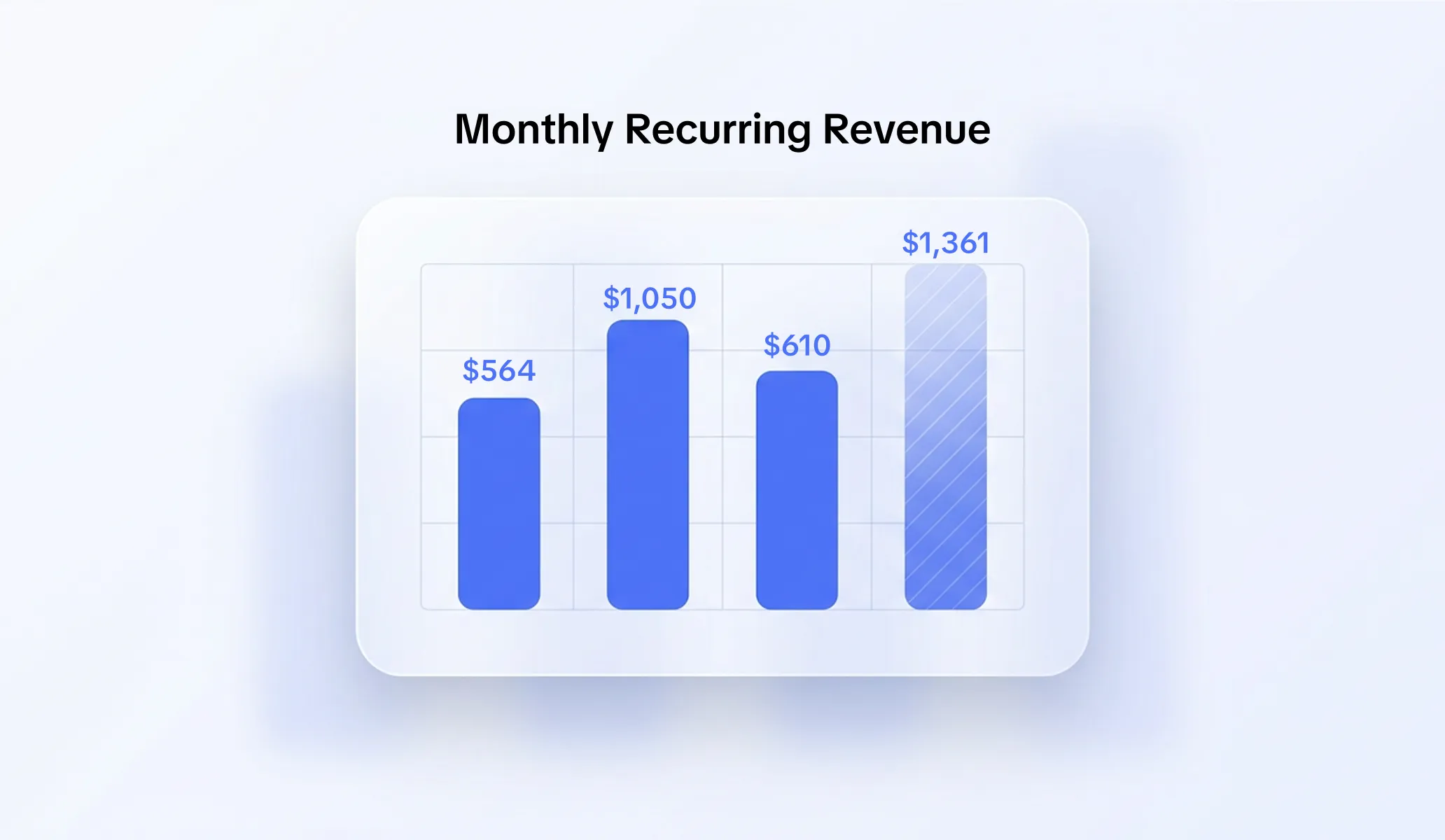
Learn the meaning of MRR (monthly recurring revenue), how to calculate MRR using the MRR formula, and why MRR is important for SaaS companies. Discover how this important metric impacts cash flow per month, subscription business growth, and long-term performance for SaaS companies.
Subtica Team
Mobile App Performance Metrics: Top Metrics, Key KPIs & App Analytics for Mobile App Performance
Discover the most important mobile app metrics to track app performance, user engagement, and engagement and retention. Learn how mobile app analytics metrics, KPIs, and app analytics tools help optimize mobile app performance and drive growth.
Subtica Team
Revenue Management Software: Best Revenue Management Software to Streamline Revenue and Simplify Revenue Management
Learn how revenue management software and modern RMS platforms help subscription apps automate revenue operations, improve forecasting accuracy, and optimize recurring revenue with analytics and AI.
Subtica Team
Mobile App Analytics: How Mobile Analytics Helps Optimize Mobile Apps
Understand how mobile app analytics works, which KPIs to track, and how analytics tools help optimize app performance, user engagement, retention, and subscription revenue.
Subtica Team