
 Subtica Team
12 min read
Revenue Management Software: Best Revenue Management Software to Streamline Revenue and Simplify Revenue Management
Subscription-based mobile apps rely on predictable revenue streams and accurate financial insights to scale successfully. As subscription ecosystems grow more complex, companies need advanced revenue management software to simplify financial workflows, automate revenue processes, and optimize revenue across multiple monetization channels.
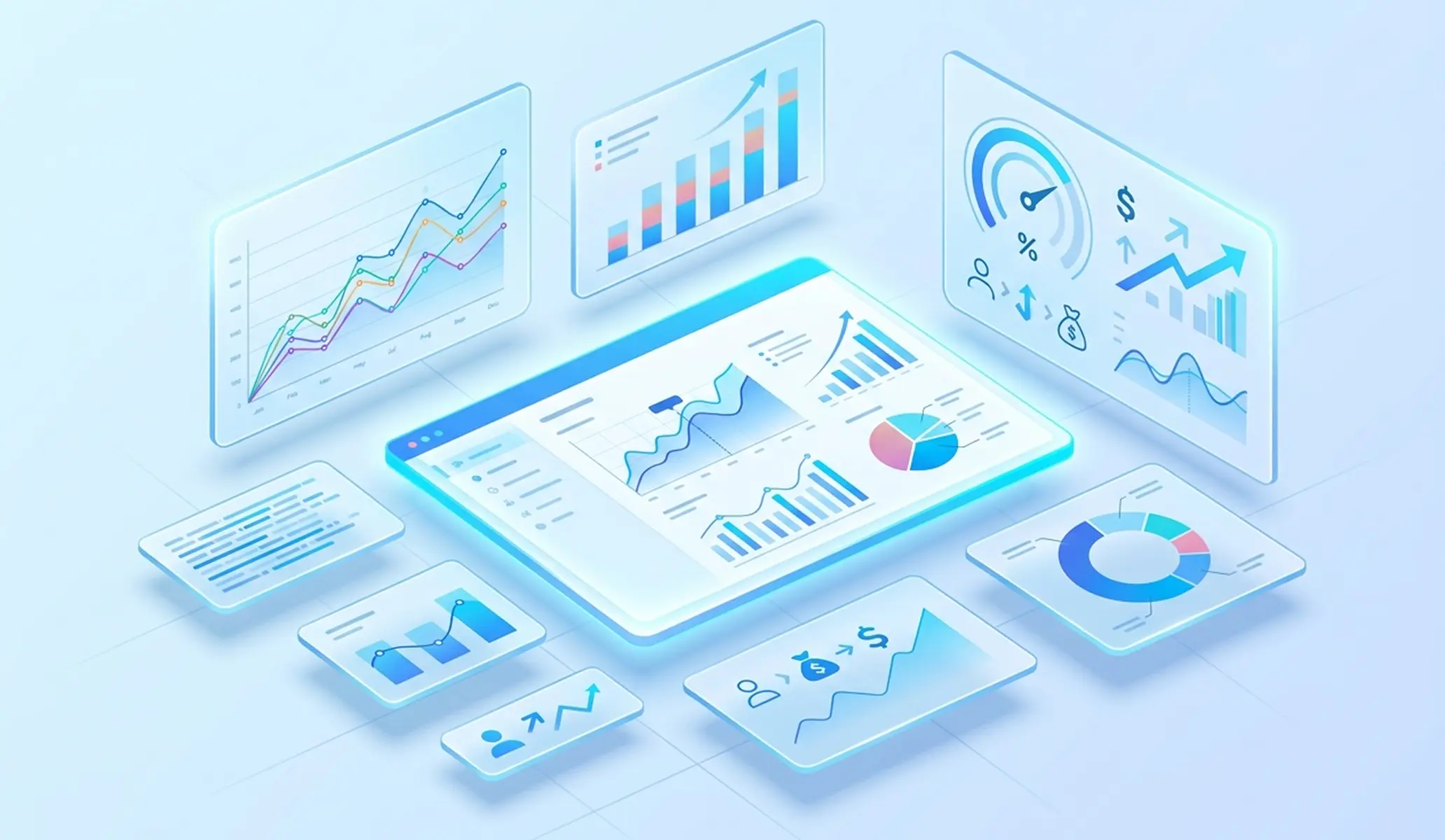
For subscription iOS apps, modern analytics and revenue management platforms like Subtica combine App Analytics, Subscription Analytics, Revenue Analytics, Cohort Analysis, ARPU tracking, Predictive Analytics, and Revenue Forecasting to help product and finance teams understand revenue performance and drive revenue growth.
Unlike traditional tools that rely on manual reporting, a modern revenue management platform leverages real-time data, automation, and AI-driven revenue intelligence to help subscription companies maximize revenue and uncover new revenue opportunities.

What Is Revenue Management Software and Why Subscription Apps Need a Revenue Management Solution
Revenue management software helps businesses monitor, forecast, and optimize revenue using analytics, automation, and data-driven insights. While the concept originally gained popularity in industries such as the hospitality industry, where hotel revenue management software and dynamic pricing strategies help maximize occupancy and pricing efficiency, the same principles are now integral to revenue optimization for digital subscription products.
Subscription businesses generate recurring revenue, and managing the full revenue lifecycle requires tools that track subscriber behavior, pricing models, revenue performance, and forecast future growth.
What Revenue Management Means for Subscription App Businesses
For subscription apps, revenue management isn’t simply accounting. It involves managing the entire monetization ecosystem of an app.
This includes:
- Managing subscription revenue models
- Monitoring revenue streams
- Tracking revenue per user (ARPU)
- Forecasting total revenue
- Identifying revenue leakage
- Optimizing pricing strategies
Platforms like Subtica are designed to help subscription companies analyze user behavior, identify new revenue opportunities, and implement strategies to maximize revenue through advanced analytics.
How a Revenue Management System Supports Subscription Revenue Growth
A modern revenue management system (RMS) allows a company to leverage real-time data to optimize revenue performance. Instead of relying on static reports, an RMS uses predictive models and analytics to generate revenue predictions and help revenue leaders make pricing decisions.
With Revenue Forecasting, Predictive Analytics, and Cohort Analysis, Subtica enables subscription businesses to analyze revenue trends, optimize revenue streams, and drive revenue growth and improve long-term profitability.
Revenue Management vs Traditional ERP and Accounting Software
Traditional ERP and accounting systems focus primarily on financial reporting and compliance. They are not designed for real-time revenue intelligence.
A modern revenue management platform, by contrast:
- Analyzes revenue across the entire product lifecycle
- Uses real-time analytics to identify revenue opportunities
- Supports dynamic pricing and monetization strategies
- Helps protect revenue and reduce revenue leakage
While ERP tools track financial outcomes, revenue management platforms help businesses actively optimize revenue and profitability.
How Revenue Management Software Helps Streamline Revenue and Automate Financial Workflows
Revenue management software simplifies complex financial operations by automating repetitive processes and providing actionable insights for revenue optimization.
For subscription apps, automation and analytics are essential to managing multiple revenue streams and pricing models efficiently.
Automate Revenue Recognition for Subscription Revenue
Subscription companies must track revenue recognition across monthly and annual billing cycles.
Revenue management software automates this process by:
- Tracking subscription payments
- Calculating recurring revenue
- Managing revenue allocation across billing periods
Automation ensures compliance while reducing manual work.
Reduce Manual Work with Automation and Revenue Intelligence
Manual reporting often leads to errors and inconsistent revenue data.
A robust revenue management platform lets teams automate financial workflows and focus on strategic revenue strategies rather than spreadsheet maintenance.
With tools like Subtica Revenue Analytics and Subscription Analytics, teams gain automated insights into revenue performance and customer behavior.
Improve Workflow Efficiency with Seamless Data Processing
Modern platforms connect analytics, subscription billing data, and financial systems into a unified revenue organization.
Automation enables:
- faster reporting
- real-time revenue dashboards
- improved financial visibility
This simplifies collaboration between product, finance, and revenue managers.
Use Revenue Management Analytics to Increase Profitability
Revenue analytics tools provide actionable insights that help companies:
- optimize pricing strategies
- improve customer retention
- increase revenue per user
- maximize revenue across multiple revenue streams
With predictive models and analytics dashboards, teams can quickly identify growth opportunities and improve revenue and margin performance.
Core Features of a Modern Revenue Management System (RMS)
Modern RMS platforms combine analytics, automation, and forecasting capabilities to support revenue leaders and product teams.
AI-Powered Forecast and Revenue Intelligence
AI-driven revenue forecasting models analyze historical data and user behavior to predict future revenue trends.
With Subtica Revenue Forecasting and Predictive Analytics, companies can generate accurate revenue predictions and plan growth strategies.
Revenue Analytics and Performance Monitoring
Revenue analytics tools allow teams to monitor:
- revenue performance
- ARPU
- churn
- subscriber growth
- cohort retention
These insights help revenue leaders identify opportunities to optimize revenue streams.
Automation for Revenue Recognition and Reporting
Automation reduces manual reporting and ensures consistent financial data.
Revenue management software automates:
- revenue recognition
- reporting
- subscription data processing
Seamless Integration with Subscription Platforms and ERP Systems
A strong revenue management platform integrates with billing platforms, analytics tools, and ERP systems.
Integration allows companies to manage revenue across multiple systems without data silos.
Workflow Automation to Streamline Revenue Operations
Workflow automation simplifies complex revenue operations by connecting analytics, forecasting, and reporting processes into a unified system.
This improves efficiency and allows revenue teams to focus on strategies to maximize revenue.
Revenue Management Software Features Comparison
This table compares key capabilities of revenue management software, highlighting how modern RMS platforms use automation, analytics, and AI-driven insights to optimize revenue, streamline financial workflows, and support data-driven pricing and revenue strategies.
Revenue Management Software Feature Comparison Table
| Feature | Traditional ERP | Spreadsheet Tracking | Modern RMS Platform |
|---|---|---|---|
| Revenue Forecasting | Limited | Manual | AI-powered |
| Real-time analytics | No | No | Yes |
| Revenue recognition automation | Partial | No | Yes |
| Subscription analytics | No | Limited | Yes |
| Pricing optimization | No | Manual | AI-supported |
| Revenue intelligence | No | Limited | Advanced |
Key Capabilities: AI, Automation, Analytics, and Revenue Forecasting
Modern revenue management solutions combine:
- AI-powered revenue predictions
- automation of financial workflows
- real-time revenue analytics
- subscription performance insights
Together, these capabilities enable businesses to optimize revenue and unlock revenue potential.
How AI-Powered Revenue Management Software Improves Forecast and Revenue Intelligence
AI technology allows companies to move beyond static reporting and implement advanced revenue management practices.
AI Forecast Models for Subscription Revenue Growth
AI models analyze historical subscription data, churn patterns, and user behavior to predict revenue growth and improve forecasting accuracy.
With Subtica Predictive Analytics, businesses can anticipate changes in subscription revenue and optimize pricing strategies.
Using Analytics to Predict Revenue Trends and User Behavior
Analytics platforms analyze customer behavior across the entire subscription lifecycle.
Insights from Cohort Analysis, ARPU metrics, and Subscription Analytics help teams identify revenue trends and opportunities to drive revenue.
AI-Powered Automation for Revenue Optimization
Automation combined with AI enables:
- dynamic pricing adjustments
- improved revenue predictions
- automated reporting
- proactive revenue management
This approach allows companies to maximize revenue while reducing operational complexity.
Revenue Management Software vs Manual Work and Spreadsheets
Many companies still rely on spreadsheets to track subscription revenue, but this approach creates significant limitations.
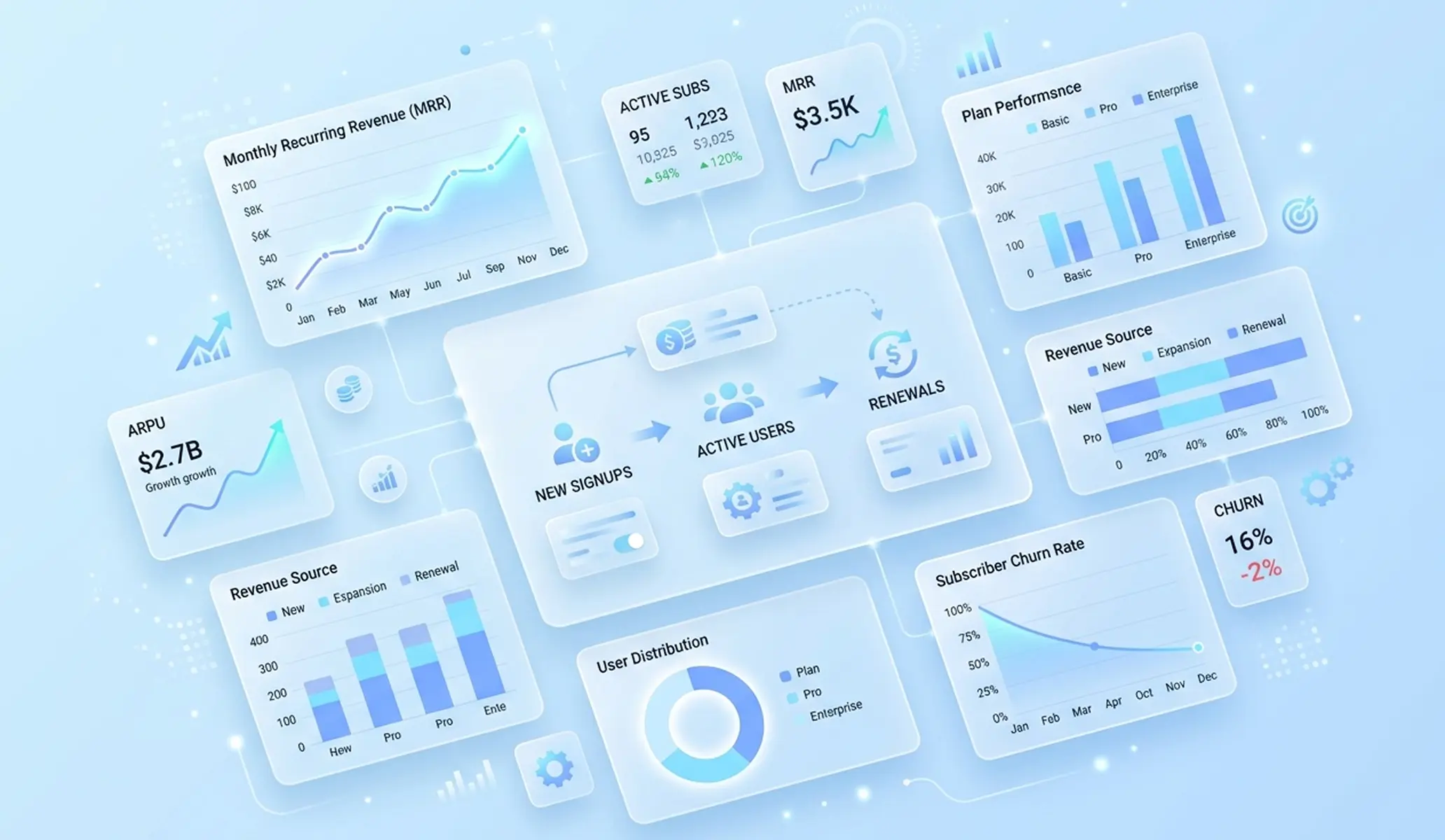
Why Manual Revenue Management Slows Down Growth
Manual workflows prevent teams from accessing real-time insights.
Without automation, companies struggle to:
- monitor revenue performance
- track revenue across products
- scale revenue operations
Risks of Spreadsheet-Based Revenue Tracking
Spreadsheets introduce risks such as:
- calculation errors
- inconsistent reporting
- delayed financial insights
- hidden revenue leakage
These issues can negatively affect revenue and profitability.
How Automation and AI Improve Revenue Accuracy
Automation ensures accurate reporting and faster financial analysis.
AI-powered analytics platforms provide real-time dashboards that allow revenue leaders to monitor revenue performance continuously.
Revenue Management Integration with Subscription Analytics Platforms
Integration between analytics tools and financial systems is essential for accurate revenue insights.
Seamless Integration with Mobile Analytics and Subscription Data
A unified analytics platform connects app behavior data with subscription revenue metrics.
Subtica combines:
- App Analytics
- Subscription Analytics
- Revenue Analytics
- Cohort Analysis
- ARPU tracking
to provide a complete picture of revenue performance.
Connecting Revenue Management Software with ERP and Finance Systems
Integration with ERP and finance tools allows companies to synchronize revenue data across departments and simplify financial reporting.
Integration with iOS App Analytics for Revenue Intelligence
For mobile apps, connecting revenue management with iOS analytics helps teams understand how product usage affects revenue growth.
Subtica enables teams to analyze user engagement, retention, and monetization metrics in one platform.
How Subscription Businesses Use Revenue Management Software
Subscription businesses use revenue management software to monitor recurring revenue, analyze user behavior, optimize pricing strategies, forecast revenue growth, and streamline financial workflows using real-time analytics and automation.
Revenue Management for Subscription Apps and SaaS Products
Subscription businesses use revenue management platforms to monitor recurring revenue, optimize pricing models, and forecast long-term growth.
Revenue Management for Digital Products and Mobile Apps
Digital products rely on subscription monetization models that require continuous analysis of pricing strategies and user behavior.
Analytics-driven platforms help companies identify opportunities to increase revenue and optimize revenue streams.
Revenue Intelligence for Scaling Subscription Revenue
Revenue intelligence tools help businesses scale by identifying new revenue opportunities and improving revenue performance across multiple markets.
Best Revenue Management Software and RMS Solutions in 2026
Best revenue management software and RMS solutions in 2026 help subscription businesses leverage real-time analytics, automation, and AI-powered forecasting to optimize revenue streams, improve pricing strategies, and drive long-term revenue growth.
Revenue Management System (RMS) Comparison Overview
Revenue management platforms vary in their capabilities, but most modern RMS solutions include analytics, forecasting, and automation tools.
AI-Powered Revenue Management Software Solutions
The best platforms combine:
- predictive analytics
- subscription analytics
- revenue forecasting
- automation
Platforms like Subtica provide a comprehensive solution for subscription apps that want to leverage data-driven revenue strategies.
How to Choose the Best Revenue Management Software for Your Business
When selecting revenue management software, companies should evaluate:
- analytics capabilities
- AI-powered forecasting
- integration with subscription platforms
- workflow automation features
The right platform should help simplify revenue operations while improving forecasting accuracy.
Revenue Management Software Benefits for Subscription Businesses
Revenue management software benefits subscription businesses by helping them optimize revenue streams, automate financial workflows, improve forecast accuracy with analytics, and increase recurring revenue using real-time data and actionable insights.
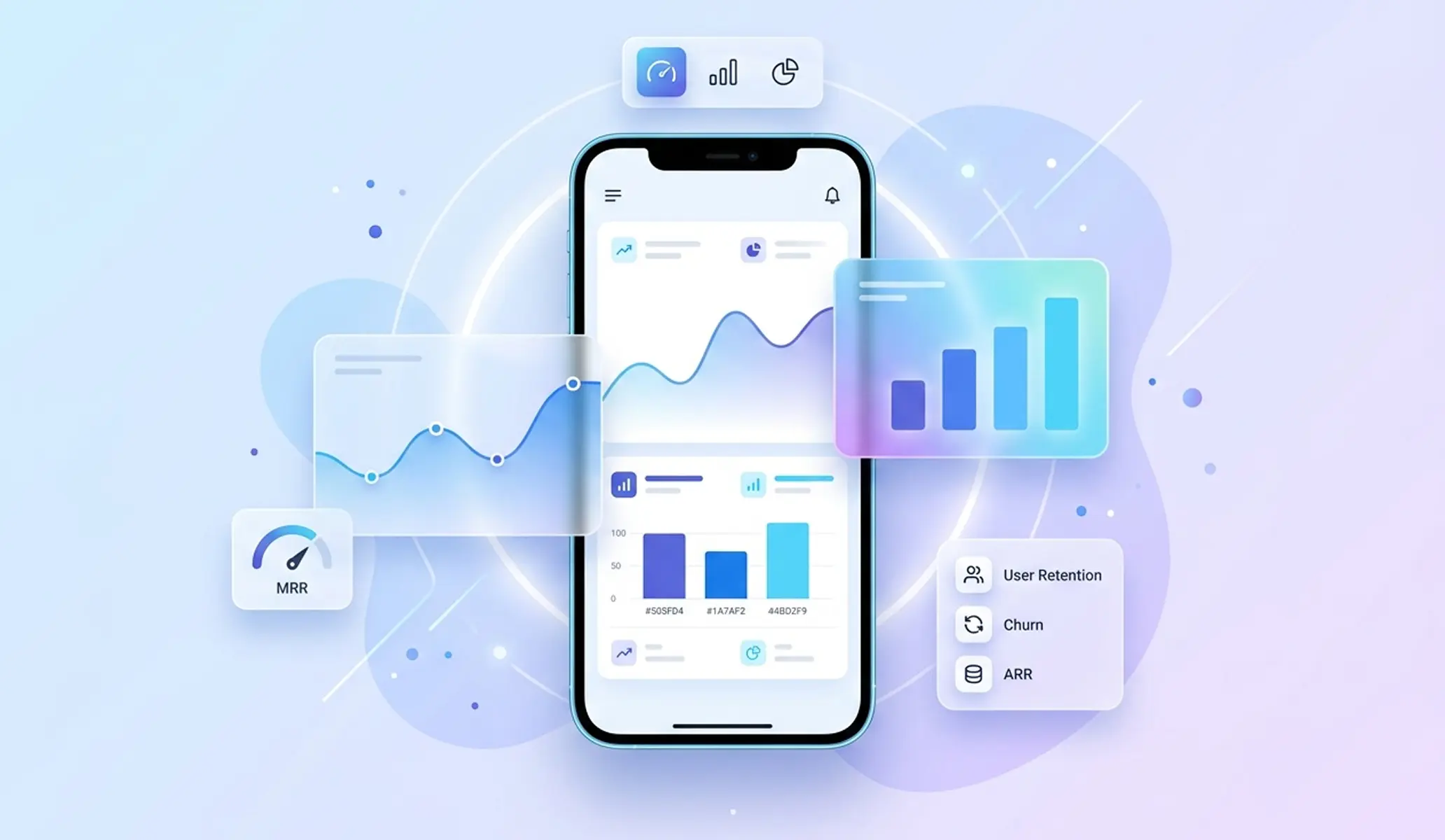
Streamline Revenue Operations and Financial Workflow
Revenue management software simplifies financial processes and improves collaboration between finance and product teams.
Improve Forecast Accuracy with AI and Analytics
AI-powered forecasting helps businesses generate accurate revenue predictions and make better strategic decisions.
Increase Profitability Through Revenue Optimization
Advanced analytics helps companies optimize pricing strategies and maximize revenue potential.
Automate Revenue Recognition and Financial Reporting
Automation reduces manual work and ensures consistent financial reporting.
Revenue Management Analytics Metrics Every Subscription Business Should Track
Revenue management analytics metrics help subscription businesses track recurring revenue, analyze revenue performance, measure ARPU and LTV, identify revenue trends, and optimize revenue strategies using data-driven insights.
Revenue Forecast Metrics Table
| Metric | Description |
|---|---|
| MRR | Monthly recurring revenue generated by subscriptions |
| ARPU | Average revenue per user |
| LTV | Customer lifetime value |
| Churn Rate | Percentage of users canceling subscriptions |
| Revenue Growth Rate | Increase in revenue over time |
Revenue Growth, LTV, and Subscription Revenue Indicators
Tracking these metrics helps companies analyze revenue performance, identify trends, and improve long-term revenue growth.
How to Implement a Revenue Management Solution for Subscription Apps
Implementing a revenue management solution for subscription apps involves choosing the right revenue management platform, integrating analytics and subscription data, and automating revenue workflows to improve forecasting, optimize pricing strategies, and drive recurring revenue growth.
Choosing the Right Revenue Management System
Companies should choose a solution that supports subscription analytics, forecasting, and automation.
Integrating Revenue Management Software with Analytics Tools
Integration between analytics tools and revenue systems ensures consistent data across the entire revenue organization.
Automating Revenue Processes with AI-Powered Platforms
Automation and AI enable businesses to simplify revenue workflows and scale subscription operations efficiently.
FAQ
What is revenue management software?
Revenue management software is a platform that helps companies analyze, forecast, and optimize revenue using analytics, automation, and data-driven insights.
How does a revenue management system (RMS) work?
An RMS uses data analytics, forecasting models, and automation to monitor revenue performance and support pricing and monetization strategies.
What is the difference between revenue management software and ERP?
ERP systems focus on accounting and financial reporting, while revenue management platforms focus on revenue optimization, forecasting, and analytics.
How does AI improve revenue management and revenue forecast accuracy?
AI analyzes historical and real-time data to generate more accurate revenue predictions and identify revenue growth opportunities.
Can revenue management software automate revenue recognition?
Yes, many platforms automate revenue recognition and reporting to reduce manual work and improve financial accuracy.
How does revenue management software integrate with analytics platforms?
Modern platforms integrate with analytics tools to combine product usage data, subscription metrics, and financial data in one system.
Is revenue management software useful for subscription apps and SaaS products?
Yes, subscription and SaaS companies use revenue management platforms to monitor recurring revenue, optimize pricing strategies, and forecast growth.
What features should the best revenue management software include?
The best platforms include revenue analytics, AI-powered forecasting, automation, subscription analytics, and integration with financial systems.
Want to Apply These Insights to Your App?
Track subscription metrics, reduce churn, and scale your iOS app revenue with Subtica’s subscription analytics platform.


Related Articles
Subscription Analytics Dashboard for SaaS: Data-Driven Metrics and Revenue Insights for iOS Apps
Subscription analytics helps SaaS and subscription businesses turn data into valuable insight. Learn how subscription analytics software tracks subscription metrics, payments, and performance with customizable dashboards, charts, and one-click reports.
Subtica Team

Subscription Business Metrics to Track: Essential SaaS Metrics for Every Subscription Business
Discover the key subscription metrics every business should monitor. Learn which key metrics SaaS companies and subscription businesses use, the most important metric to track, and how a strong analytics system helps monitor subscription metrics and growth.
Subtica Team

Predictive Analytics Examples, Applications, and Algorithms for Subscription Apps
Predictive analytics helps businesses forecast trends using algorithms and data models. Learn how predictive analytics works, key use cases like fraud detection, and how companies use predictive analytics to forecast future outcomes.
Subtica Team
Predictive Analytics Definition: What Is Predictive Analytics and How It Works
Predictive analytics uses machine learning, data mining, and statistical models to predict future outcomes. Learn the predictive analytics definition and how businesses use predictive analytics with historical data and current data to forecast trends.
Subtica Team

Customer Churn Rate Analysis for SaaS: How to Calculate Churn Rate, Perform a Churn Analysis, and Improve Retention
Learn how to calculate customer churn rate with practical churn analysis techniques. Understand customer churn, revenue churn, and retention metrics while analyzing your churn to improve retention and reduce churn rate.
Subtica Team
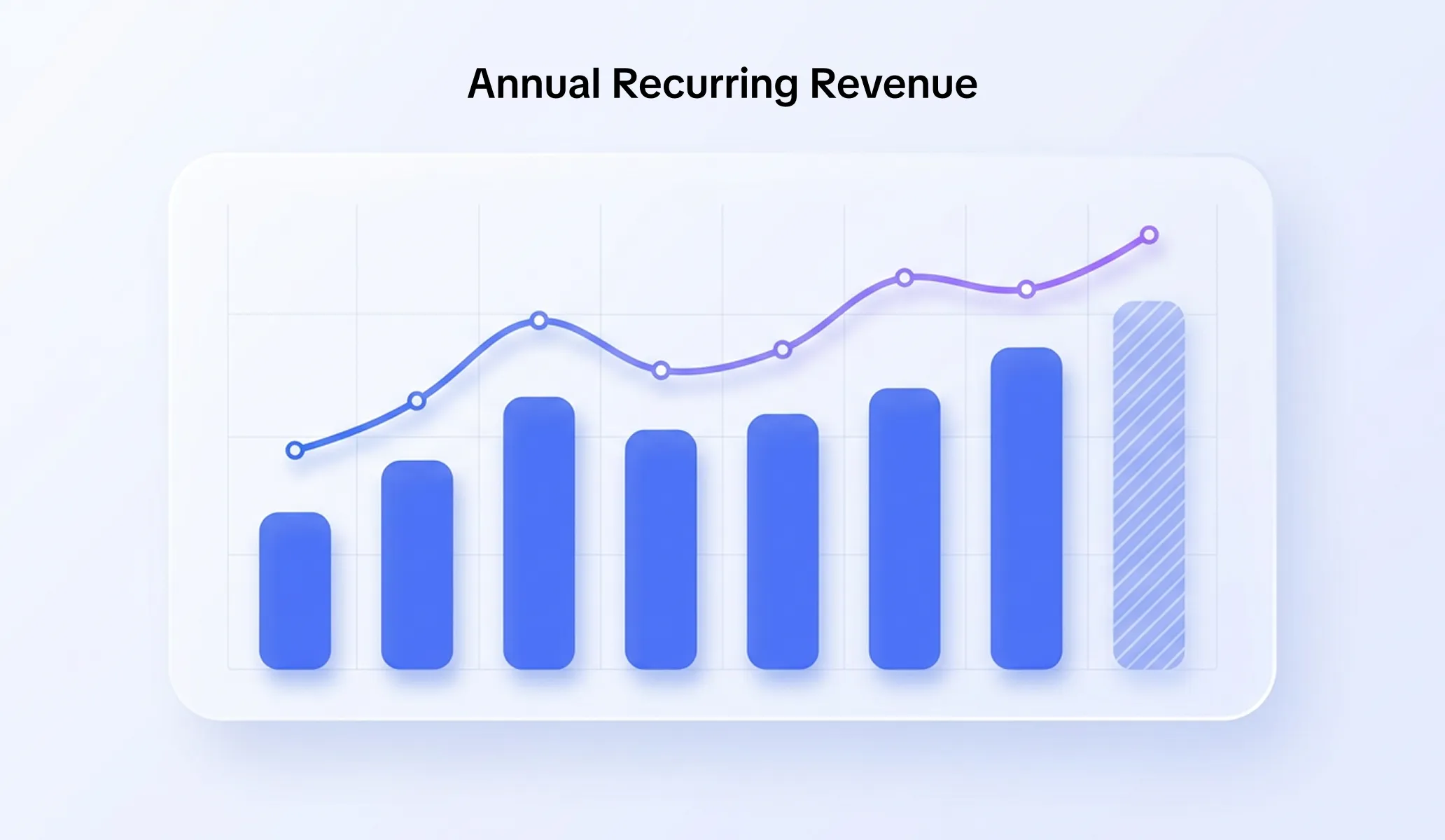
ARR Revenue: Annual Recurring Revenue Calculation, Recurring Revenues & How to Calculate ARR for SaaS Business Billing
ARR revenue (annual recurring revenue) is a core metric for subscription and SaaS business models. In this guide to annual recurring revenue, learn how to calculate ARR, understand recurring revenues, and improve revenue growth. Discover ARR calculation methods, why this SaaS metric matters, and how annual recurring revenue supports predictable subscription business performance.
Subtica Team
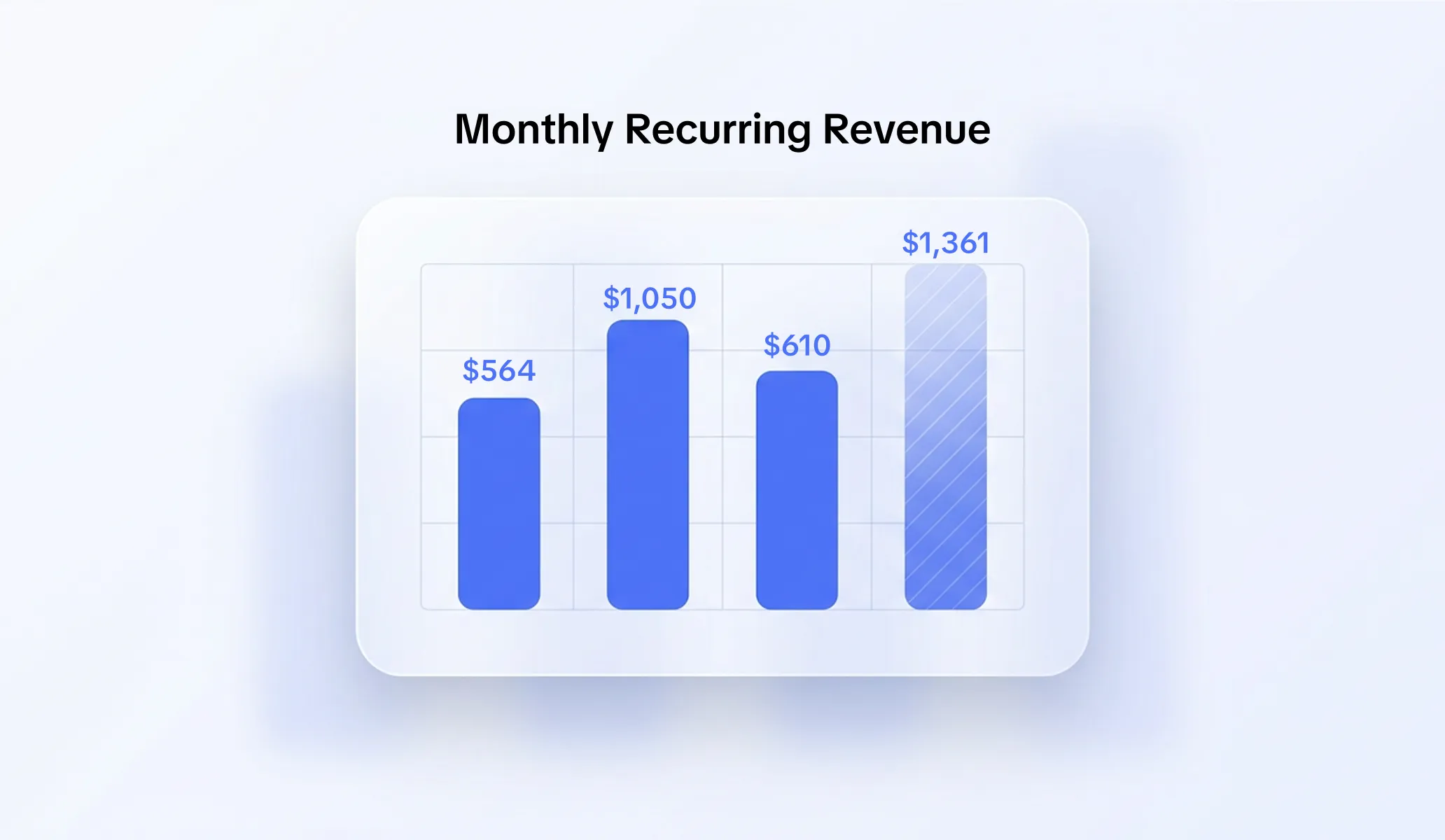
MRR (Monthly Recurring Revenue): How to Calculate MRR and Use MRR to Grow Your Subscription Business
Learn the meaning of MRR (monthly recurring revenue), how to calculate MRR using the MRR formula, and why MRR is important for SaaS companies. Discover how this important metric impacts cash flow per month, subscription business growth, and long-term performance for SaaS companies.
Subtica Team
Mobile App Performance Metrics: Top Metrics, Key KPIs & App Analytics for Mobile App Performance
Discover the most important mobile app metrics to track app performance, user engagement, and engagement and retention. Learn how mobile app analytics metrics, KPIs, and app analytics tools help optimize mobile app performance and drive growth.
Subtica Team

Mobile App Analytics: How Mobile Analytics Helps Optimize Mobile Apps
Understand how mobile app analytics works, which KPIs to track, and how analytics tools help optimize app performance, user engagement, retention, and subscription revenue.
Subtica Team