
 Subtica Team
15 min read
Subscription Revenue Model: How a Subscription Revenue Model Generates Recurring Revenue
The subscription economy has transformed how companies deliver products and services and generate revenue. Instead of relying on a one-time purchase, modern companies increasingly sell software on a subscription basis, digital services, or physical products through subscription plans.
A subscription revenue model allows businesses to create a predictable revenue stream, build long-term relationships with customers, and generate steady revenue as customers pay regularly for ongoing access to a product or service.
For subscription-based mobile apps, SaaS platforms, and digital services, understanding how subscription revenue works is essential for revenue management, pricing strategy, and sustainable growth. Analytics platforms like Subtica, designed specifically for analytics for subscription iOS apps, help companies track subscription metrics, optimize pricing, and forecast long-term revenue.

What Is Subscription Revenue?
Subscription revenue is the recurring income a business earns when subscribers pay a recurring fee for ongoing access to a product or service on a subscription basis.
Definition of Subscription Revenue in a Subscription Business Model
Subscription revenue refers to the recurring income a company generates when customers pay regularly—usually monthly or quarterly—for access to a product or service.
In this model, businesses charge customers a recurring fee instead of selling products through a one-time purchase. This approach is common among SaaS companies, digital media platforms, mobile apps, and businesses offering curated experiences like a subscription box.
Because customers maintain ongoing access to the product or service, the business continues generating income from customers as long as subscribers remain active.
How Subscription Revenue Differs From One-Time Revenue
Traditional businesses rely on one-time purchases, where customers pay once for a product. In contrast, a subscription-based model focuses on continuous payments for services or products.
Key differences include:
- Recurring income vs single payment
- Continuous access to a product instead of permanent ownership
- Ongoing relationships with customers
- Greater focus on retaining customers rather than only acquiring new customers
While traditional sales focus heavily on customer acquisition, subscription businesses must keep customers engaged to maintain steady revenue.
Why Subscription Revenue Is a Key Metric for Subscription Businesses
For companies operating in the subscription economy, subscription revenue represents the foundation of business growth.
It helps companies:
- Predict long-term revenue
- Measure the value of their customer base
- Understand how well they are retaining customers
- Evaluate the success of customer acquisition strategies
Analytics tools such as Subtica’s Revenue Analytics, ARPU tracking, and Cohort Analysis allow subscription businesses to measure total revenue, monitor existing subscribers, and understand how users derive value from the product.
How a Subscription Revenue Model Works
A subscription revenue model works by charging customers a recurring fee for ongoing access to a product or service, allowing businesses to generate steady revenue while building long-term relationships with subscribers.
How Businesses Use a Subscription Model to Generate Recurring Revenue
In a subscription model, customers pay regularly—often monthly or quarterly—for ongoing access to digital services, software, or curated physical products.
Examples include:
- Software companies offering software on a subscription basis
- Streaming platforms providing continuous access to a product
- Mobile apps that unlock premium features through subscriptions
When businesses successfully deliver consistent value, customers continue using the service and generate steady revenue.
The Role of Pricing and Customer Retention in a Subscription Revenue Model
Pricing plays a crucial role in attracting new customers and encouraging them to use your service long term.
A successful model balances:
- Customer acquisition
- Retaining customers
- Creating opportunities for upselling and upsell
Because subscription businesses depend on long-term relationships, companies must continuously improve their product and ensure customers receive value from the product.
Platforms like Subtica help businesses monitor engagement patterns and identify when users stop interacting with features, helping teams automate retention strategies and reduce churn.
Subscription Revenue Cycle in Subscription Businesses
The subscription revenue cycle typically follows several stages:
- Acquiring new customers
- Customers sign up and start paying a recurring fee
- Customers use the service
- Businesses focus on retaining customers
- Companies increase revenue through upselling or plan upgrades
Subscription analytics platforms allow companies to analyze the behavior of existing customers and understand how to increase lifetime value.
Types of Subscription Revenue Models
Subscription revenue models include several pricing structures—such as flat-rate, tiered pricing, usage-based, and freemium—that businesses use to charge customers a recurring fee for ongoing access to products or services.

Flat-Rate Subscription Pricing Model
The flat-rate model is the simplest subscription pricing approach. Customers pay a fixed fee for full access to a product or service.
This model is:
- Easy for customers to understand
- Simple for revenue management
- Common among software companies
However, it may limit opportunities for upsell if all users receive the same features.
Tiered Subscription Pricing Models
Tiered pricing offers multiple pricing levels with different features.
This model allows companies to:
- Target different customer segments
- Encourage upselling
- Grow revenue as customers need more features
Many SaaS companies use tiered plans because the model makes it easier to scale revenue as customers increase usage.
Usage-Based Subscription Model
In usage-based pricing, customers pay depending on how much they use the service.
Examples include:
- Data storage platforms
- API services
- Communication platforms
This model ensures that pricing aligns with the value from the product customers receive.
Freemium Subscription Model
The freemium model allows users to access basic features for free while premium features require a subscription.
The strategy allows customers to experience the product before committing to a recurring fee.
Many companies use freemium strategies because it helps acquiring new customers and expand the customer base.
Per-User Pricing Model for Subscription Businesses
Per-user pricing charges businesses based on the number of people who use the service.
This model is common among software companies that provide collaboration tools.
As organizations grow, the subscription cost increases, creating scalable long-term revenue.
Examples of Subscription Revenue Businesses
Subscription revenue businesses include SaaS companies, mobile apps, digital media platforms, and subscription box services that generate recurring income by charging customers a recurring fee for ongoing access to products or services.
SaaS Subscription Businesses
Many SaaS companies provide software on a subscription basis, where businesses pay regularly for cloud-based tools.
Examples include:
- CRM systems
- Marketing automation platforms
- Data analytics tools
These businesses rely heavily on retaining customers and increasing lifetime value.
Mobile Apps and iOS Subscription Businesses
Mobile apps increasingly rely on subscription revenue to monetize premium features.
Examples include:
- Fitness apps
- Productivity tools
- AI writing assistants
Analytics platforms like Subtica help mobile apps track App Analytics, Subscription Analytics, and Revenue Analytics to understand how existing subscribers engage with the app.
By analyzing ARPU, Cohort Analysis, and Predictive Analytics, product teams can identify which features encourage users to keep customers subscribed.
Digital Content and Membership Subscription Businesses
Digital publishers and creators generate subscription revenue through:
- Premium articles
- Online communities
- Educational platforms
These businesses focus on building long-term relationships and maintaining a loyal customer base.
Benefits of a Subscription Revenue Model for Subscription Businesses
A subscription revenue model helps businesses generate steady revenue, build long-term relationships with customers, and increase lifetime value by providing ongoing access to products or services for a recurring fee.
Predictable Revenue and Cash Flow
A major advantage of subscription models is predictable steady revenue.
Because customers pay regularly, businesses can forecast total revenue more accurately than companies relying on one-time purchases.
Scalable Revenue Model for Growing Businesses
Subscription models allow companies to scale revenue as they:
- Expand their customer base
- Increase lifetime value
- Introduce upselling opportunities
Analytics tools like Subtica Revenue Forecasting help companies estimate future long-term revenue based on subscriber behavior.
Long-Term Customer Relationships and Lower Churn
Subscription models encourage long-term relationships with customers.
Instead of focusing only on customer acquisition, businesses must ensure they need to keep customers engaged and satisfied.
Companies that deliver consistent value often benefit from lower customer acquisition costs because satisfied users recommend the product to others.
How to Calculate Subscription Revenue
Subscription revenue is calculated by multiplying the number of active subscribers by the recurring subscription price and adding any additional income from upgrades, add-ons, or upselling.

Basic Formula to Calculate Subscription Revenue
A simple formula for subscription revenue is:
Subscription Revenue = Number of Subscribers × Subscription Price
For example:
If 1,000 subscribers pay regularly a fixed fee of $10 per month:
Monthly subscription revenue = $10,000
Advanced Methods to Calculate Subscription Revenue for Subscription Businesses
Advanced revenue calculations consider additional factors:
- Upselling revenue
- Plan upgrades
- Discounts or promotions
- Churn rate
- New subscriber growth
Platforms like Subtica Revenue Analytics automatically track these variables and help teams automate revenue analysis.
Example of How to Calculate Subscription Revenue
| Metric | Example |
|---|---|
| Subscribers | 1,000 |
| Monthly price | $10 |
| Monthly subscription revenue | $10,000 |
| Upsell revenue | $2,000 |
| Total revenue | $12,000 |
Key Metrics Used to Measure Subscription Revenue
Key metrics used to measure subscription revenue include Monthly Recurring Revenue (MRR), Annual Recurring Revenue (ARR), churn rate, ARPU, and customer lifetime value, which help businesses understand revenue growth and subscriber retention.
Monthly Recurring Revenue (MRR) and Subscription Revenue
Monthly Recurring Revenue (MRR) measures predictable monthly income from subscriptions.
It helps companies monitor the health of their revenue stream and track revenue growth.
Annual Recurring Revenue (ARR) as a Subscription Revenue Metric
ARR measures subscription revenue over a full year.
For software companies and SaaS platforms, ARR is often used to evaluate long-term business performance.
Churn Rate and Its Impact on Subscription Revenue
Churn rate measures how many subscribers cancel their subscription during a given period.
High churn reduces steady revenue, which is why companies must focus on retaining customers and delivering continuous product value.
Pricing Strategy in a Subscription Revenue Model
Pricing strategy in a subscription revenue model determines how businesses charge customers for ongoing access to a product or service and directly impacts customer acquisition, retention, and long-term revenue growth.
How Pricing Models Affect Subscription Revenue Growth
Pricing directly influences how many customers sign up, upgrade, or cancel.
Effective pricing should:
- Be easy for customers
- Reflect the value from the product
- Avoid sudden price hikes
Customer insights and customer feedback help companies refine pricing strategies.
Choosing the Right Subscription Pricing Models
Businesses choose pricing models depending on their product.
For example:
- SaaS tools often use tiered pricing
- Media platforms may prefer a flat-rate model
- Some services adopt a freemium model
Selecting the right model helps companies attract new customers and increase long-term revenue.
Common Pricing Mistakes in Subscription Businesses
Common pricing challenges businesses face include:
- Setting prices too low
- Introducing sudden price hikes
- Failing to analyze customer feedback
Companies must constantly test pricing strategies to ensure the model remains competitive.
How Subscription Analytics Helps Manage Subscription Revenue
Subscription analytics helps businesses track key revenue metrics, understand subscriber behavior, reduce churn, and optimize pricing and growth strategies using data-driven insights.

Using Analytics to Track Subscription Revenue Metrics
Subscription analytics platforms allow companies to monitor key revenue indicators.
With Subtica, product teams can track:
- App Analytics
- Subscription Analytics
- Revenue Analytics
- ARPU
- Cohort Analysis
These insights help teams understand how users interact with their app and identify opportunities to increase lifetime value.
Using Data to Reduce Churn and Improve Subscription Revenue
Analytics platforms help businesses detect early signs of churn.
For example, teams can identify when users stop engaging with features or reduce how often they use the service.
By analyzing behavioral data, companies can take action to keep customers and improve retention.
How Subtica Helps Subscription iOS Apps Track Subscription Revenue
Subtica is an AI-powered analytics platform designed for subscription-based iOS apps.
It helps developers and product teams:
- Monitor subscription metrics
- Analyze existing subscribers
- Forecast revenue using Predictive Analytics
- Improve revenue management through Revenue Forecasting
As a specialized analytics vendor, Subtica provides deep insights that help apps grow their long-term revenue.
Common Challenges in Managing Subscription Revenue
Common challenges in managing subscription revenue include reducing churn, optimizing pricing strategies, forecasting future revenue, and maintaining long-term relationships with subscribers while continuing to deliver value from the product or service.
Revenue Churn in Subscription Businesses
Revenue churn occurs when subscribers cancel or downgrade plans, reducing income from customers.
To reduce churn, companies must focus on retaining customers and continuously delivering value.
Pricing Optimization Challenges in Subscription Models
Pricing optimization is difficult because companies must balance:
- Attracting new customers
- Maintaining profitability
- Ensuring customers perceive enough value from the product
Forecasting Subscription Revenue Growth
Forecasting future revenue can be complex when subscriber behavior changes.
Analytics tools like Subtica Revenue Forecasting help companies predict growth trends and understand how existing customers impact future revenue.
Subscription Revenue vs Other Revenue Metrics
Subscription revenue differs from other revenue metrics by focusing on recurring income generated from subscribers who pay regularly for ongoing access to a product or service.
Subscription Revenue vs ARR (Annual Recurring Revenue)
While both metrics measure recurring income, ARR focuses on yearly subscription revenue.
Subscription revenue may include monthly payments, upgrades, and other recurring charges.
Subscription Revenue vs One-Time Revenue
Subscription revenue is generated when customers pay regularly, while one-time purchase revenue occurs when customers buy a product only once.
Companies increasingly prefer subscription models because they provide predictable steady revenue.
Best Practices for Growing Subscription Revenue
Best practices for growing subscription revenue include improving pricing strategy, reducing churn, increasing customer lifetime value, and using analytics to optimize customer acquisition and retention.

Improving Pricing Strategy for Subscription Businesses
Businesses should regularly evaluate their pricing strategy to ensure it reflects the value from the product and market expectations.
Testing different pricing tiers helps companies discover which structure might be better for their audience.
Reducing Churn to Protect Subscription Revenue
Reducing churn requires companies to:
- Improve product quality
- Listen to customer feedback
- Continuously deliver value
Successful subscription businesses understand they need to deliver consistent value to keep users engaged.
Using Subscription Analytics to Optimize Revenue Growth
Analytics tools help companies optimize growth by analyzing behavior across the customer base.
With Subtica’s Predictive Analytics, Revenue Analytics, and Cohort Analysis, teams can better understand existing subscribers, increase retention, and improve customer acquisition strategies.
Subscription Revenue Model Comparison
A subscription revenue model comparison helps businesses evaluate different pricing models—such as flat-rate, tiered, freemium, and usage-based—to determine which structure best supports revenue growth and customer retention.
Comparison of Types of Subscription Pricing Models
| Model | Description | Best For |
|---|---|---|
| Flat-rate | Single fixed fee for full access | Simple products |
| Tiered pricing | Multiple plans with different features | SaaS platforms |
| Usage-based | Customers pay based on usage | Infrastructure services |
| Freemium | Free plan with premium upgrades | Mobile apps |
| Per-user | Pricing depends on number of users | Team collaboration tools |
Which Subscription Model Works Best for Different Businesses
Different businesses require different pricing structures.
For example:
- SaaS companies often use tiered pricing
- Mobile apps frequently use freemium models
- Digital media may use flat-rate models
The right model depends on the product, customer behavior, and market expectations.
FAQ About Subscription Revenue
What is an example of subscription revenue?
An example is a mobile app that charges customers $9.99 per month for premium features. Each subscriber generates recurring income as long as they maintain the subscription.
What is the formula for subscription revenue?
A basic formula is:
Subscription Revenue = Number of Subscribers × Subscription Price
Advanced calculations also include upgrades, churn, and discounts.
How profitable are subscription services?
Subscription businesses can be highly profitable because they generate steady revenue, reduce reliance on one-time purchases, and create opportunities for upselling.
What is the difference between ARR and subscription revenue?
ARR (Annual Recurring Revenue) measures subscription income over one year, while subscription revenue may include monthly recurring revenue and other subscription-related income.
Want to Apply These Insights to Your App?
Track subscription metrics, reduce churn, and scale your iOS app revenue with Subtica’s subscription analytics platform.


Related Articles

Subscription Analytics Dashboard for SaaS: Data-Driven Metrics and Revenue Insights for iOS Apps
Subscription analytics helps SaaS and subscription businesses turn data into valuable insight. Learn how subscription analytics software tracks subscription metrics, payments, and performance with customizable dashboards, charts, and one-click reports.
Subtica Team

Subscription Business Metrics to Track: Essential SaaS Metrics for Every Subscription Business
Discover the key subscription metrics every business should monitor. Learn which key metrics SaaS companies and subscription businesses use, the most important metric to track, and how a strong analytics system helps monitor subscription metrics and growth.
Subtica Team

Predictive Analytics Examples, Applications, and Algorithms for Subscription Apps
Predictive analytics helps businesses forecast trends using algorithms and data models. Learn how predictive analytics works, key use cases like fraud detection, and how companies use predictive analytics to forecast future outcomes.
Subtica Team

Predictive Analytics Definition: What Is Predictive Analytics and How It Works
Predictive analytics uses machine learning, data mining, and statistical models to predict future outcomes. Learn the predictive analytics definition and how businesses use predictive analytics with historical data and current data to forecast trends.
Subtica Team

Customer Churn Rate Analysis for SaaS: How to Calculate Churn Rate, Perform a Churn Analysis, and Improve Retention
Learn how to calculate customer churn rate with practical churn analysis techniques. Understand customer churn, revenue churn, and retention metrics while analyzing your churn to improve retention and reduce churn rate.
Subtica Team
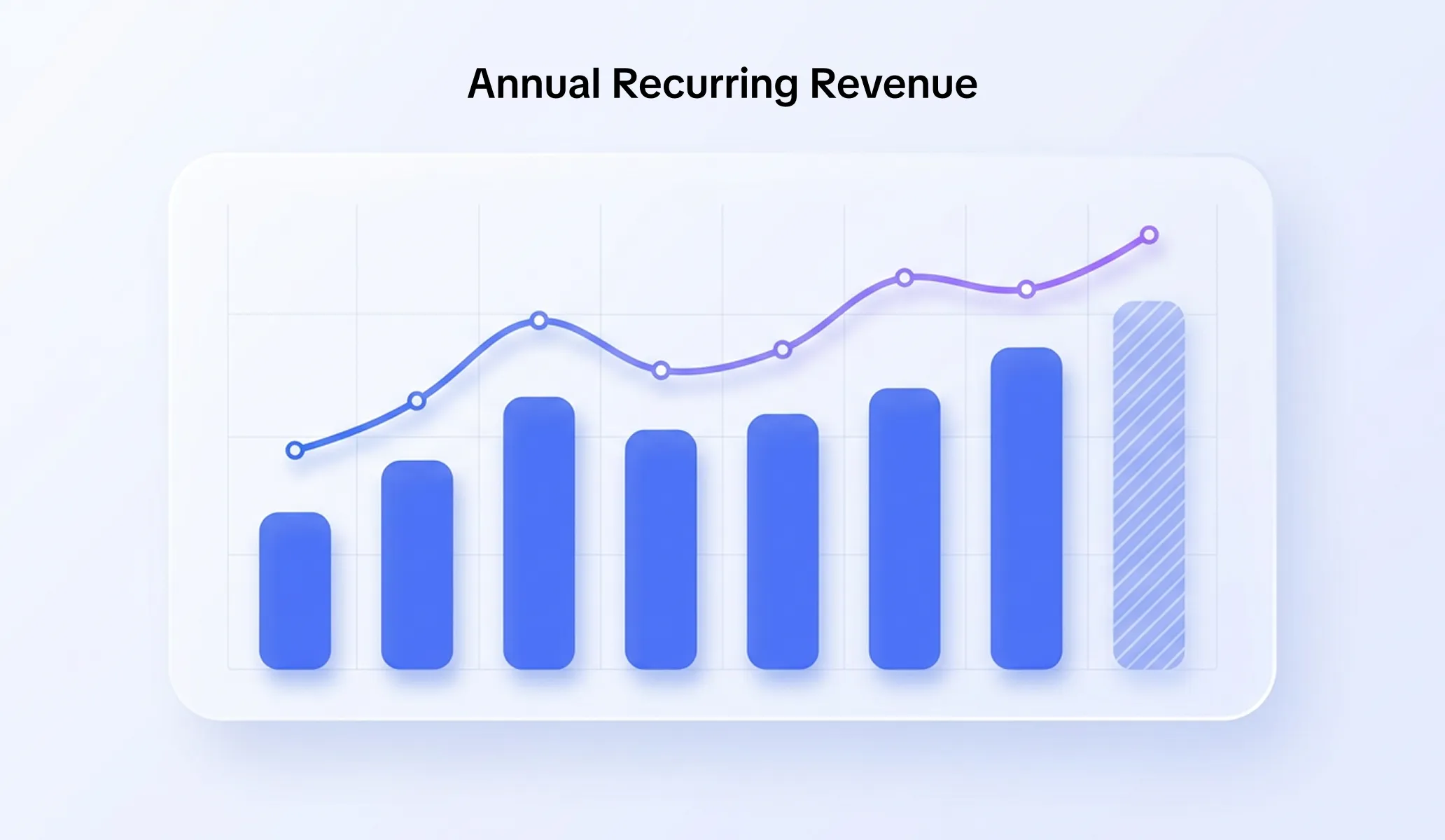
ARR Revenue: Annual Recurring Revenue Calculation, Recurring Revenues & How to Calculate ARR for SaaS Business Billing
ARR revenue (annual recurring revenue) is a core metric for subscription and SaaS business models. In this guide to annual recurring revenue, learn how to calculate ARR, understand recurring revenues, and improve revenue growth. Discover ARR calculation methods, why this SaaS metric matters, and how annual recurring revenue supports predictable subscription business performance.
Subtica Team
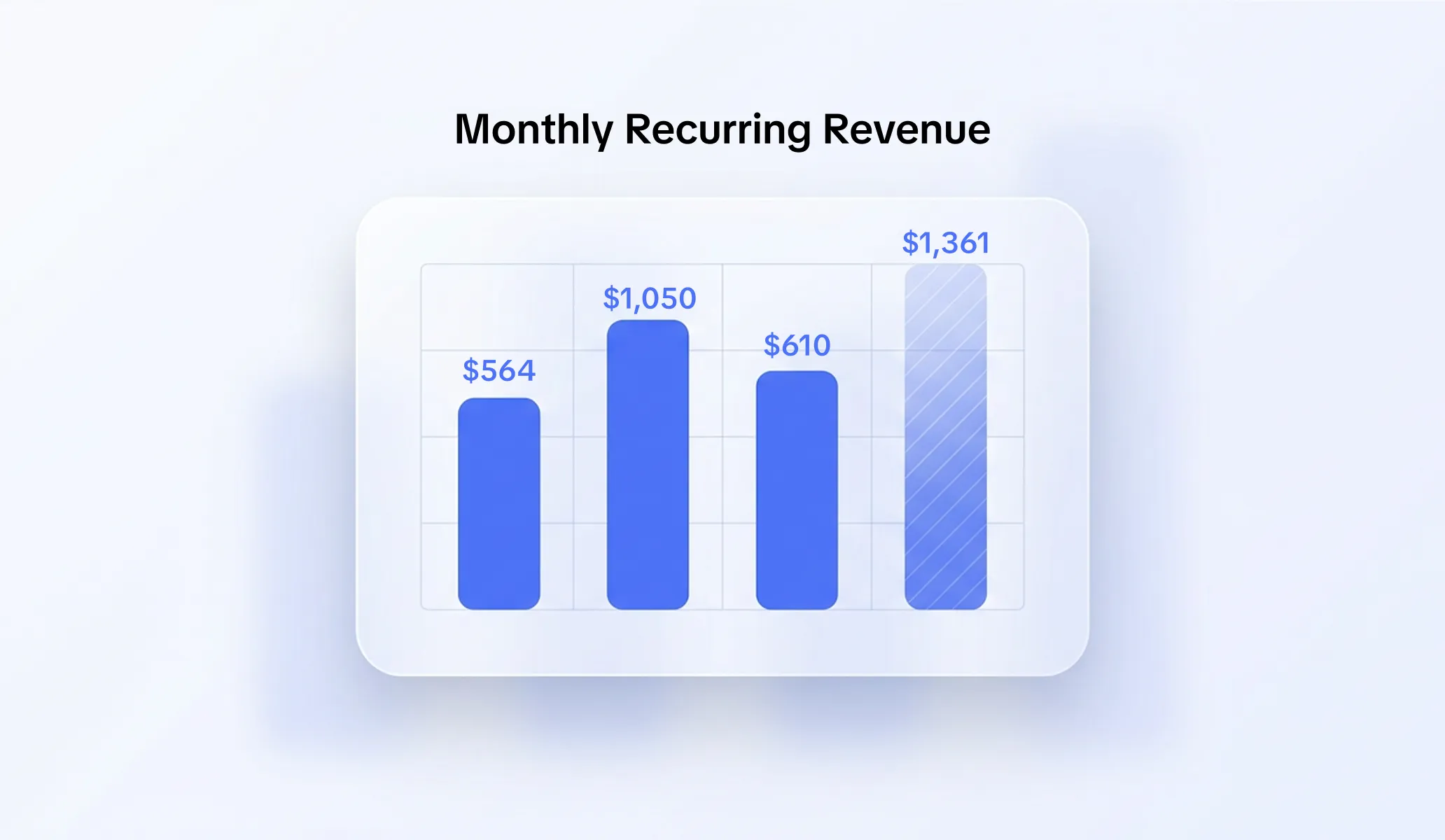
MRR (Monthly Recurring Revenue): How to Calculate MRR and Use MRR to Grow Your Subscription Business
Learn the meaning of MRR (monthly recurring revenue), how to calculate MRR using the MRR formula, and why MRR is important for SaaS companies. Discover how this important metric impacts cash flow per month, subscription business growth, and long-term performance for SaaS companies.
Subtica Team
Mobile App Performance Metrics: Top Metrics, Key KPIs & App Analytics for Mobile App Performance
Discover the most important mobile app metrics to track app performance, user engagement, and engagement and retention. Learn how mobile app analytics metrics, KPIs, and app analytics tools help optimize mobile app performance and drive growth.
Subtica Team

Revenue Management Software: Best Revenue Management Software to Streamline Revenue and Simplify Revenue Management
Learn how revenue management software and modern RMS platforms help subscription apps automate revenue operations, improve forecasting accuracy, and optimize recurring revenue with analytics and AI.
Subtica Team