
 Subtica Team
14 min read
App Subscription: How Subscription-Based App Models Work and How to Manage App Subscriptions
The subscription economy has transformed how mobile apps generate revenue. Instead of relying on one-time purchases, many apps now offer a subscription-based model where users pay regularly in exchange for ongoing value. From streaming service platforms like Spotify to productivity apps, fitness app solutions, and subscription gaming apps, this model has become one of the most effective ways for app developers to build sustainable growth.
A well-designed subscription app creates predictable recurring revenue, improves the value of your app, and allows developers to invest in regular content and updates that improve the user experience. At the same time, managing subscriptions requires careful attention to pricing, retention, and analytics.
Platforms like Subtica — analytics for subscription iOS apps — help teams understand app revenue, measure lifetime value (LTV), and optimize subscription performance using App Analytics, Subscription Analytics, Revenue Analytics, Revenue Forecasting, Cohort Analysis, ARPU tracking, and Predictive Analytics.
This guide explains how app subscriptions work, how to manage them, and how analytics helps build successful subscription-based apps.

What Are App Subscriptions and How Does a Subscription-Based App Work?
App subscriptions allow users to subscribe and pay a recurring fee — usually a monthly subscription or yearly plan — to access premium features, services, or premium content inside an app. The payment typically automatically renews each subscription period, creating predictable recurring revenue for the app.
This subscription-based model is widely used by apps on the App Store and Google Play Store, including streaming services like Spotify, fitness apps, productivity apps, content apps, and subscription gaming apps. For app developers, subscriptions increase app revenue and improve the app’s lifetime value (LTV).
Many apps offer a free trial so users can test the product before committing to a paid subscription. To grow successfully, developers need to track subscriber behavior and optimize monetization — which is why platforms like Subtica provide App Analytics, Subscription Analytics, Revenue Analytics, Cohort Analysis, ARPU tracking, Revenue Forecasting, and Predictive Analytics to help improve subscription performance and long-term growth.
What Is an App Subscription in Mobile Apps
An app subscription is a monetization method where users subscribe to an application and pay a recurring fee to access premium features, premium service, or access to premium content.
In most cases, the subscription period can be monthly subscription, yearly, or sometimes longer. The payment typically automatically renews until the user decides to cancel subscriptions.
When users subscribe, they receive ongoing value in exchange for access to new functionality, regular content and updates, or exclusive features that improve the app experience.
Many apps on the App Store and Google Play Store rely on subscriptions because they create a consistent revenue stream and allow developers to build predictable recurring revenue.
How In-App Subscriptions Differ From In-App Purchases
Although both are common monetization approaches, in-app subscriptions differ significantly from in-app purchases.
In-app purchases usually unlock a one-time feature or digital item inside an application, while subscriptions provide ongoing access to a service.
Examples include:
- Gaming app purchases for virtual items
- Content apps unlocking single pieces of media
- One-time feature unlocks in productivity apps
Subscriptions, by contrast, focus on long-term engagement. Users commit to ongoing payments, and the app delivers continuous value through updates, services, or content.
Why the Subscription Model Is Dominating App Monetization
The subscription-based model has become dominant across apps worldwide because it benefits both users and developers.
For users, subscriptions provide:
- Continuous access to features
- Frequent improvements and updates
- Flexible billing options
For developers, subscriptions create:
- Predictable app revenue
- Higher app’s lifetime value
- Long-term customer relationships
Since 2021, the number of subscription-based apps also appearing in the top 100 subscription apps has grown rapidly across the Apple Store and Google Play Store.
Types of Apps That Use the Subscription Model
Many apps worldwide use the subscription-based model, including streaming services, fitness apps, productivity apps, content apps, and subscription gaming apps, because subscriptions create stable recurring revenue and long-term app revenue growth.
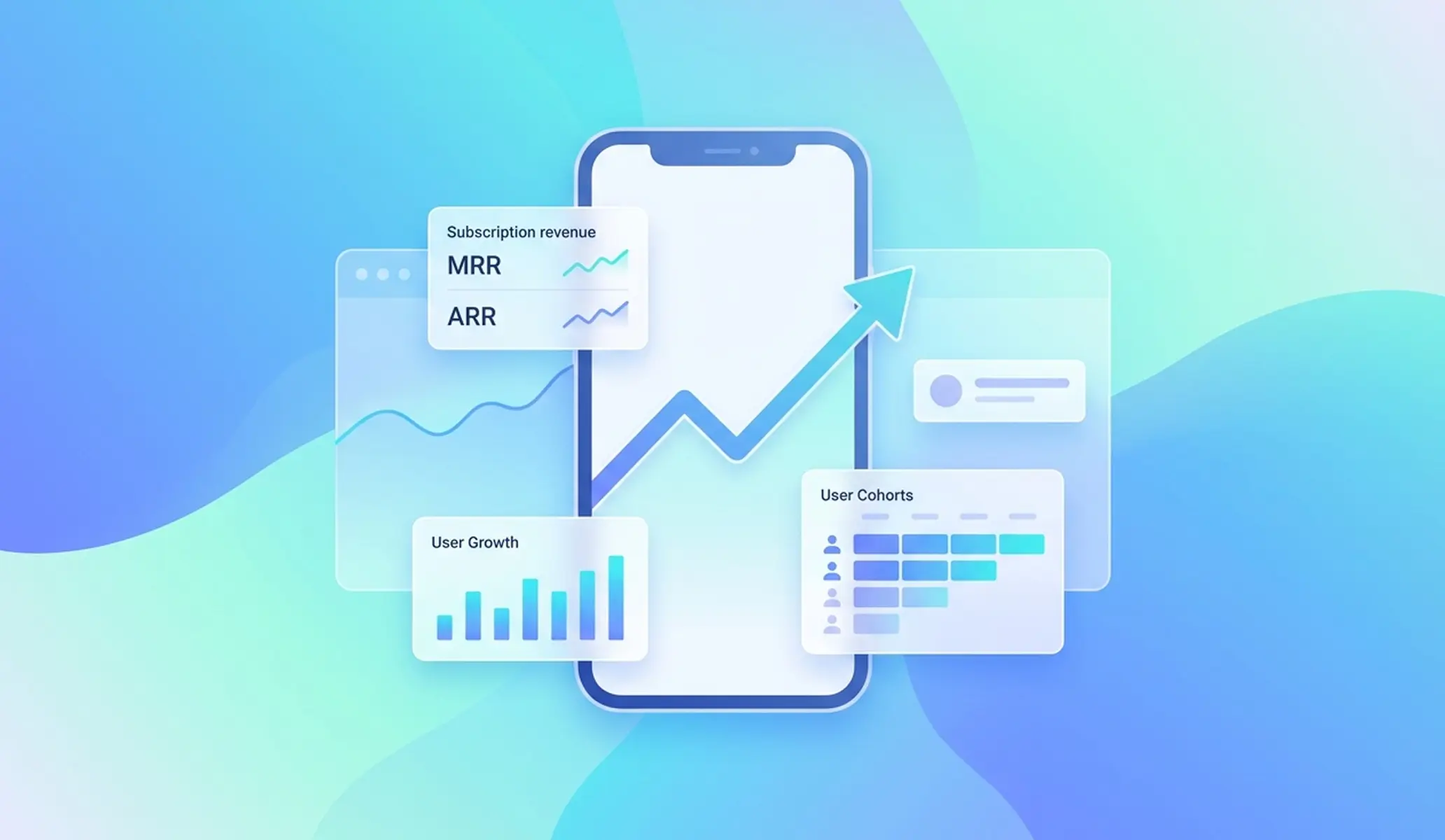
Most Successful Types of Apps Using In-App Subscriptions
Many different app categories rely on subscriptions. Some of the most successful include:
- Streaming service apps like Spotify
- Fitness app platforms
- Productivity apps
- Content apps
- Subscription gaming apps
- Premium service apps
These apps provide ongoing value, which makes users more likely to subscribe and maintain their paid subscription.
Examples of Subscription-Based Apps Across Categories
Across the Apple’s App Store, many well-known apps rely heavily on subscriptions. These include streaming platforms, meditation tools, learning apps, and advanced productivity software.
Some gaming app developers are also experimenting with subscription access that provides exclusive items, premium levels, or early content.
However, introducing subscriptions must be handled carefully. If the transition from one-time purchases to subscriptions is poorly communicated, it can lead to backlash from existing users.
Popular Subscription-Based App Categories and Monetization Models
| App Category | Subscription Model | Example Value |
|---|---|---|
| Streaming service | Monthly or yearly | Access to premium content |
| Fitness app | Monthly subscription | Personalized training programs |
| Productivity apps | Monthly or yearly | Unlock advanced productivity tools |
| Content apps | Paid subscription | Articles, videos, or media libraries |
| Gaming apps | Subscription gaming apps | Premium items or full game access |
In-App Subscriptions and App Monetization Models
In-app subscriptions are one of the most effective ways for app developers to monetize mobile products, allowing users to subscribe and pay a recurring fee in exchange for premium features, services, or access to premium content, creating a stable recurring revenue stream and long-term app revenue growth.
The Most Common Subscription Model for Mobile Apps
The most common model used by apps on the App Store is the monthly subscription, although many apps also offer yearly plans with a discount.
This approach encourages users to try the app at a lower initial cost while providing higher long-term recurring revenue.
Most apps offer a free trial, allowing users to explore the app before committing to a paid subscription.
Comparing In-App Subscriptions and In-App Purchases
| Feature | In-App Purchases | In-App Subscriptions |
|---|---|---|
| Payment | One-time purchase | Recurring billing |
| Access | Permanent unlock | Time-based access |
| Revenue model | Transactional | Recurring revenue |
| Growth potential | Limited | Long-term growth |
Subscriptions generally provide a more stable revenue stream and better long-term LTV.
List: Key Benefits of Subscription-Based App Monetization
Key advantages of subscription monetization include:
- Predictable recurring revenue
- Increased app revenue
- Higher app’s lifetime value
- Continuous product improvements
- Stronger customer relationships
- Ability to personalize the app experience
How to Manage App Subscriptions on Mobile Devices
Users can easily manage app subscriptions on mobile devices through the Apple’s App Store or the Google Play Store, where they can view active subscriptions, change billing options, renew, or cancel subscriptions across different apps.
How to Manage App Subscriptions on iPhone
Users can manage apps on the App Store directly through device settings.
Steps typically include:
- Open Settings
- Tap the Apple ID profile
- Select Subscriptions
- View active subscriptions
- Cancel subscriptions or modify billing
This allows users to track subscriptions that automatically renew and manage their subscription period.
How to Manage Subscriptions on Android
On Android devices, subscriptions are managed through the Google Play Store.
Users can:
- View all active subscriptions
- Modify billing preferences
- Cancel subscriptions
- Change plans or renew access
Managing App Subscriptions Across Multiple Apps
Many users subscribe to many apps, including streaming services, learning platforms, and productivity apps.
Because subscriptions might accumulate over time, it is important for users to regularly review their active subscriptions and ensure they still receive value.
Implementing In-App Subscriptions in a Subscription-Based App
Implementing in-app subscriptions allows app developers to build a subscription app that generates recurring revenue, letting users subscribe to access premium features, services, or premium content through the Apple’s App Store or Google Play Store with automated billing and renewal.
How In-App Subscriptions Work in iOS Apps
In iOS, subscriptions are implemented through Apple’s App Store using Apple’s subscription infrastructure.
The system handles:
- Secure billing
- Subscription renewal
- Payment processing
- User subscription management
Most subscriptions automatically renew unless the user cancels before the next subscription period.
How Developers Set Up App Subscriptions in the App Store
To implement subscriptions, app developers configure subscription products in App Store Connect.
They define:
- Subscription tiers
- Pricing models
- Free trial duration
- Subscription period options
This allows developers to design pricing strategies that encourage users to subscribe and remain engaged.
Common Subscription Pricing Models for Apps
| Model | Description |
|---|---|
| Monthly subscription | Standard recurring payment |
| Yearly subscription | Discounted long-term plan |
| Free trial + paid plan | Trial before paid access |
| Tiered pricing | Multiple feature levels |
| Freemium | Free core features + premium upgrades |
Benefits and Challenges of the Subscription Model for Apps
The subscription-based model offers significant advantages for app developers, such as predictable recurring revenue and higher lifetime value (LTV), but it also requires careful management of pricing, retention, and user experience to ensure long-term success.
Benefits of a Subscription-Based App for App Monetization
A well-designed subscription app offers many advantages.
These include:
- Strong recurring revenue
- Higher LTV
- Predictable financial planning
- Ability to provide regular content and updates
- Continuous improvement of the user experience
Challenges of Managing In-App Subscriptions
Despite its advantages, the subscription model also has pros and cons.
Some common challenges include:
- Subscription fatigue among users
- Managing churn
- Pricing optimization
- Avoiding backlash from existing users when switching models
- Navigating platform policies such as App Tracking Transparency
Apps must ensure they provide enough value so users feel motivated to continue paying.
Key Metrics for Subscription-Based App Growth
Important metrics include:
- LTV (Lifetime Value)
- ARPU
- Subscriber growth
- Churn rate
- Conversion from free trial
- Revenue per subscriber
How Subscription Analytics Improves App Subscription Growth
Subscription analytics helps app developers understand subscriber behavior, track app revenue, measure lifetime value (LTV), and optimize pricing and retention strategies to grow a subscription app and increase long-term recurring revenue.
Why Analytics Is Critical for Subscription-Based Apps
In the modern subscription ecosystem, analytics plays a critical role in helping developers understand user behavior and optimize monetization.
Without analytics, it is difficult to understand why users subscribe, churn, or convert from free trials.
Tracking In-App Subscriptions, Revenue, and Retention
Subscription analytics platforms help track:
- Subscriber growth
- Recurring revenue
- Conversion rates
- Retention metrics
- Customer lifetime value
This data helps developers identify which strategies increase the value of your app and improve long-term success.
How Subtica Helps Manage and Optimize App Subscriptions
Subtica provides a complete analytics platform designed specifically for subscription iOS apps.
Key capabilities include:
- App Analytics to track user behavior and feature engagement
- Subscription Analytics to monitor subscriber growth and retention
- Revenue Analytics for detailed app revenue insights
- Revenue Forecasting to predict future subscription income
- Cohort Analysis to analyze user retention patterns
- ARPU tracking to measure average revenue per user
- Predictive Analytics to forecast churn and growth opportunities
These tools help app developers optimize pricing, improve retention, and increase the app’s lifetime value.
Best Practices for Growing a Subscription-Based App
Growing a subscription app requires optimizing pricing, improving the user experience, delivering regular content and updates, and using analytics to increase recurring revenue, retention, and overall lifetime value (LTV).
Optimize Pricing for Your App Subscription Model
Pricing should reflect the value delivered by the app.
Testing different subscription period options — such as monthly subscription versus yearly — can improve conversion rates and increase recurring revenue.
Improve Retention and Reduce Subscription Churn
Retention strategies include:
- Delivering regular content and updates
- Improving the user experience
- Offering meaningful premium features
- Continuously communicating value to subscribers
Use Data to Optimize In-App Subscriptions and App Monetization
Analytics platforms allow teams to analyze subscription behavior and identify growth opportunities.
By analyzing subscriber cohorts, tracking LTV, and measuring app revenue, companies can build successful subscription-based apps that scale sustainably.
FAQ: App Subscriptions and Managing App Subscriptions
How do I see all my app subscriptions?
You can view all active subscriptions through your device settings on iOS or through the Google Play Store on Android.
How can I cancel an app subscription?
Users can cancel subscriptions through their device’s subscription management settings. After cancellation, access usually continues until the end of the current subscription period.
What are app subscriptions?
App subscriptions are recurring payment models where users pay regularly to access premium features, services, or access to premium content within an app.
What app will find all my subscriptions?
Some financial or subscription-management tools allow users to track many apps and manage multiple subscriptions in one place, helping users monitor spending and control recurring payments.
Want to Apply These Insights to Your App?
Track subscription metrics, reduce churn, and scale your iOS app revenue with Subtica’s subscription analytics platform.


Related Articles
Subscription Analytics Dashboard for SaaS: Data-Driven Metrics and Revenue Insights for iOS Apps
Subscription analytics helps SaaS and subscription businesses turn data into valuable insight. Learn how subscription analytics software tracks subscription metrics, payments, and performance with customizable dashboards, charts, and one-click reports.
Subtica Team
Subscription Business Metrics to Track: Essential SaaS Metrics for Every Subscription Business
Discover the key subscription metrics every business should monitor. Learn which key metrics SaaS companies and subscription businesses use, the most important metric to track, and how a strong analytics system helps monitor subscription metrics and growth.
Subtica Team
Predictive Analytics Examples, Applications, and Algorithms for Subscription Apps
Predictive analytics helps businesses forecast trends using algorithms and data models. Learn how predictive analytics works, key use cases like fraud detection, and how companies use predictive analytics to forecast future outcomes.
Subtica Team
Predictive Analytics Definition: What Is Predictive Analytics and How It Works
Predictive analytics uses machine learning, data mining, and statistical models to predict future outcomes. Learn the predictive analytics definition and how businesses use predictive analytics with historical data and current data to forecast trends.
Subtica Team
Customer Churn Rate Analysis for SaaS: How to Calculate Churn Rate, Perform a Churn Analysis, and Improve Retention
Learn how to calculate customer churn rate with practical churn analysis techniques. Understand customer churn, revenue churn, and retention metrics while analyzing your churn to improve retention and reduce churn rate.
Subtica Team
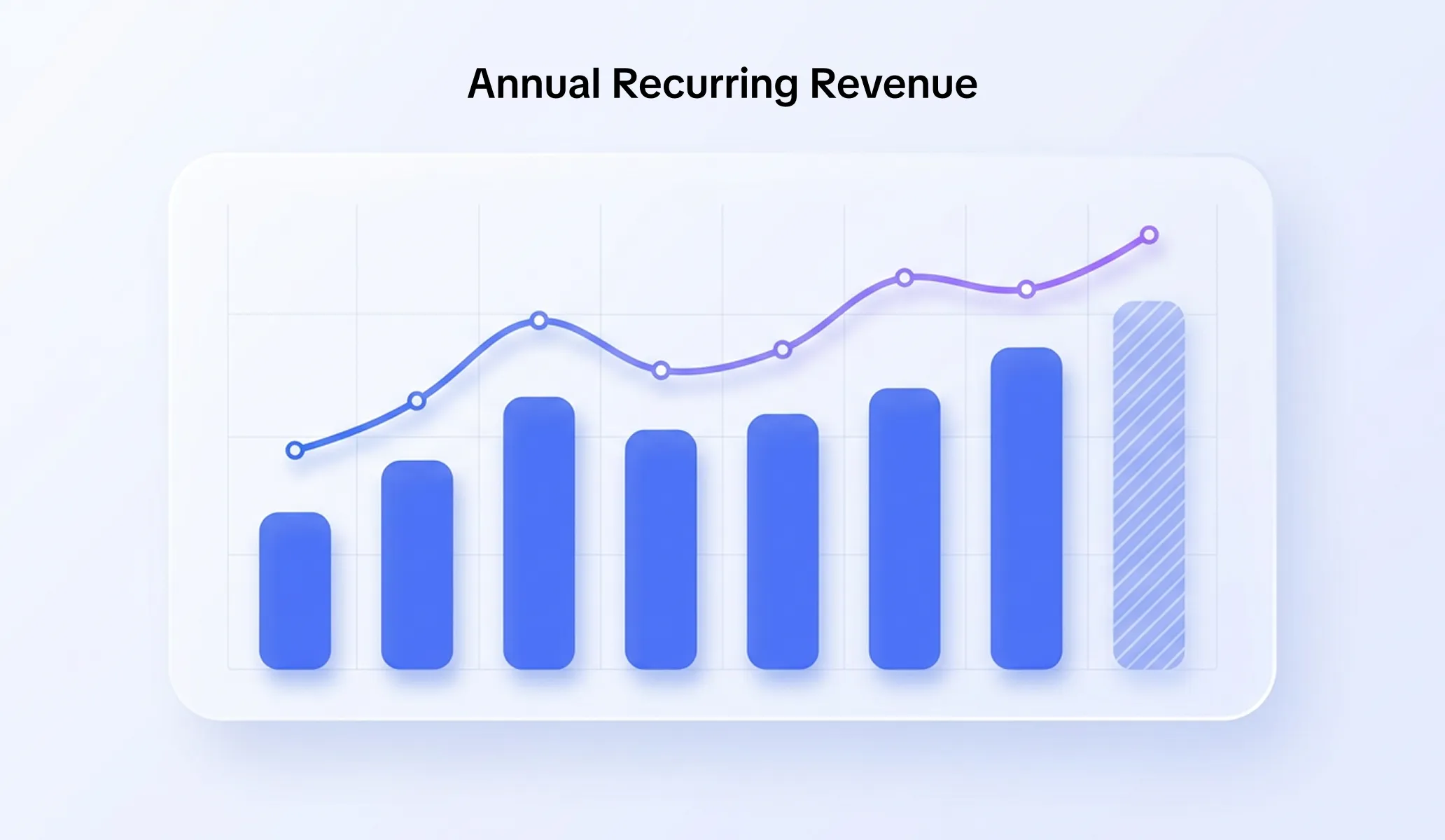
ARR Revenue: Annual Recurring Revenue Calculation, Recurring Revenues & How to Calculate ARR for SaaS Business Billing
ARR revenue (annual recurring revenue) is a core metric for subscription and SaaS business models. In this guide to annual recurring revenue, learn how to calculate ARR, understand recurring revenues, and improve revenue growth. Discover ARR calculation methods, why this SaaS metric matters, and how annual recurring revenue supports predictable subscription business performance.
Subtica Team
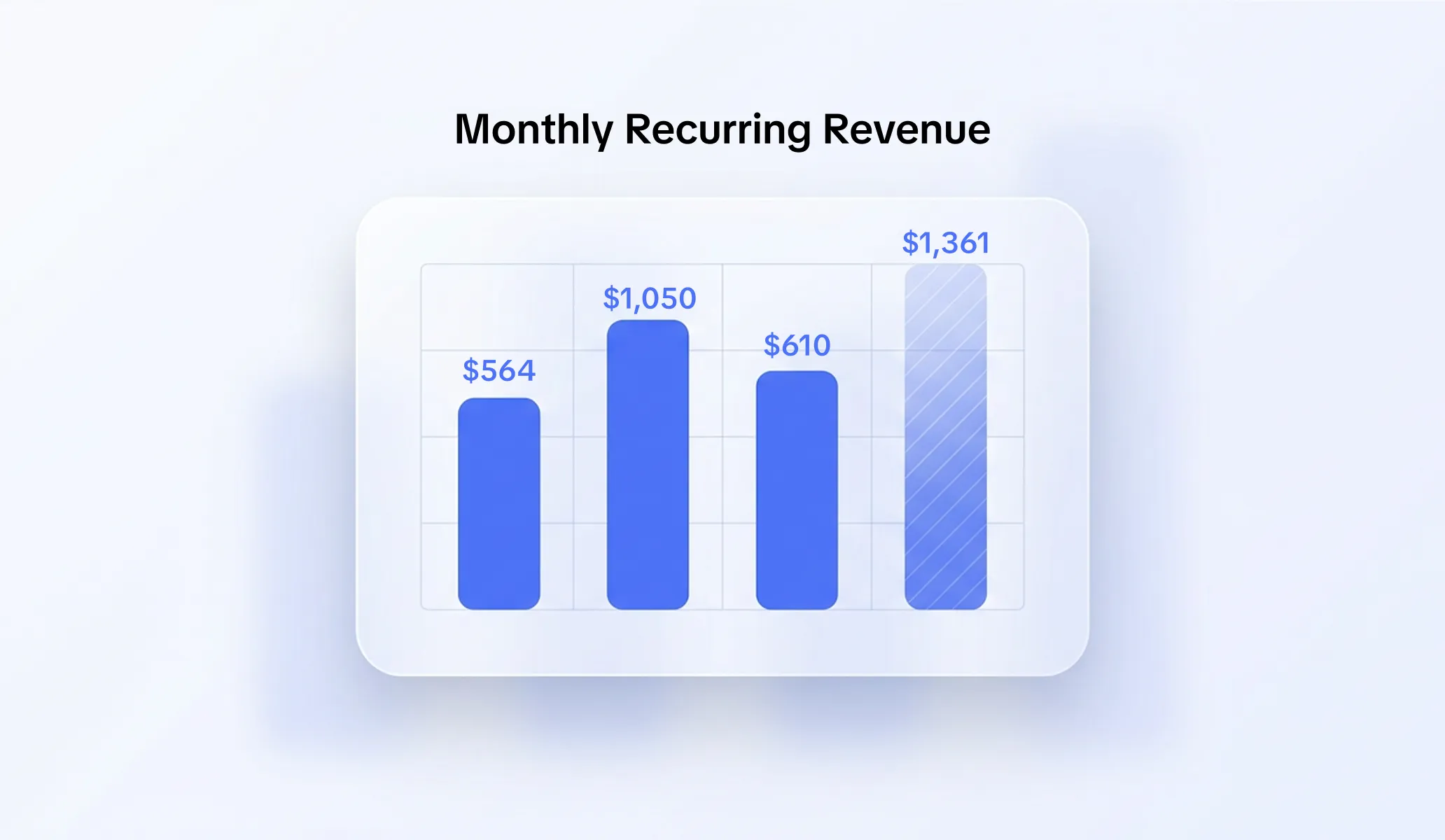
MRR (Monthly Recurring Revenue): How to Calculate MRR and Use MRR to Grow Your Subscription Business
Learn the meaning of MRR (monthly recurring revenue), how to calculate MRR using the MRR formula, and why MRR is important for SaaS companies. Discover how this important metric impacts cash flow per month, subscription business growth, and long-term performance for SaaS companies.
Subtica Team
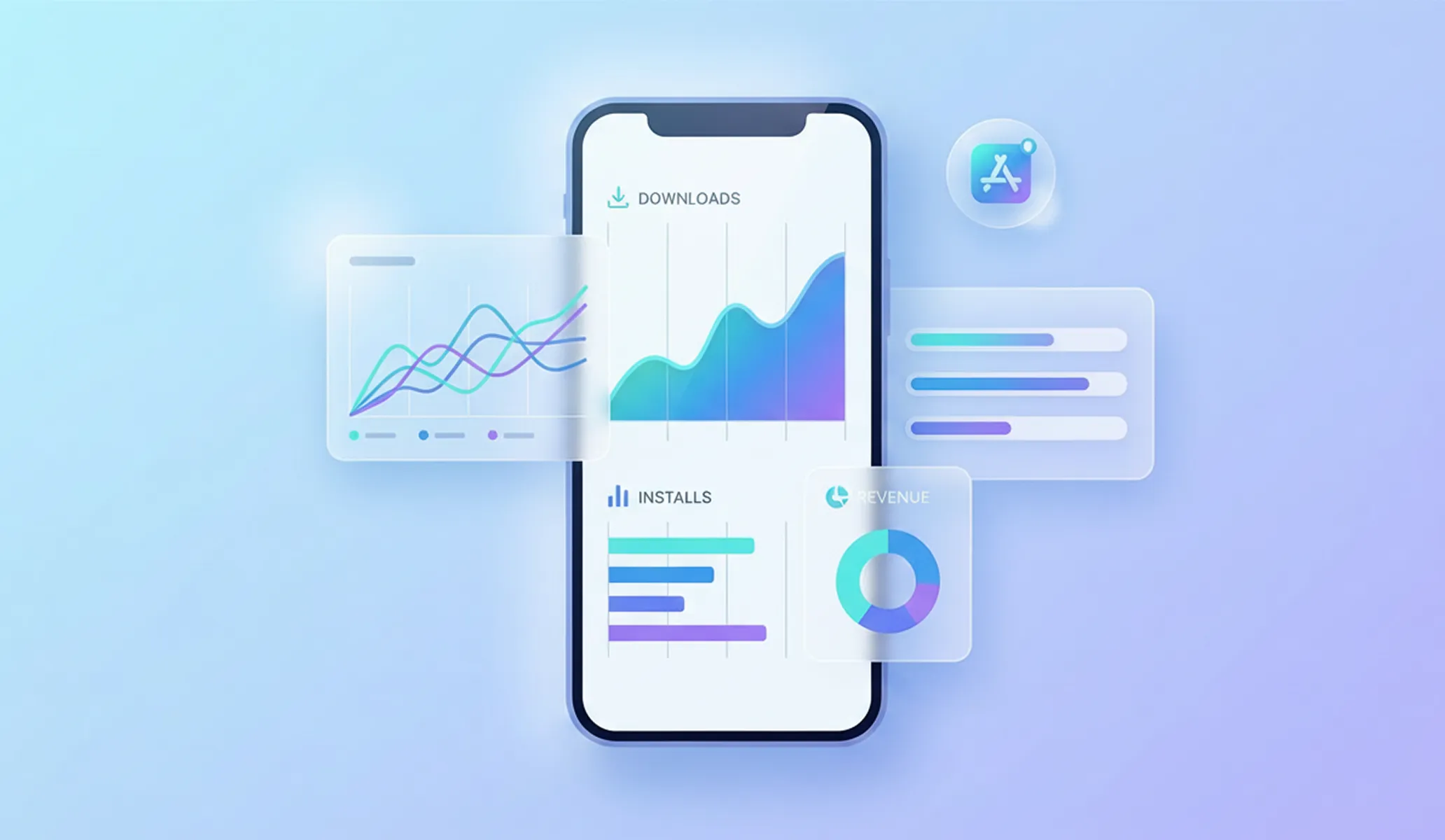
Mobile App Performance Metrics: Top Metrics, Key KPIs & App Analytics for Mobile App Performance
Discover the most important mobile app metrics to track app performance, user engagement, and engagement and retention. Learn how mobile app analytics metrics, KPIs, and app analytics tools help optimize mobile app performance and drive growth.
Subtica Team
Revenue Management Software: Best Revenue Management Software to Streamline Revenue and Simplify Revenue Management
Learn how revenue management software and modern RMS platforms help subscription apps automate revenue operations, improve forecasting accuracy, and optimize recurring revenue with analytics and AI.
Subtica Team