
 Subtica Team
12 min read
Real-Time Analytics Platform: Benefits of Real Time Analytics and Real-Time Data Insights
Real-time analytics has become essential for modern digital businesses that operate in fast-moving markets. As companies generate massive volumes of data from mobile apps, web platforms, APIs, and connected devices, the ability to process data and analyze data instantly allows organizations to detect patterns, identify anomalies, and respond to events the moment they occur.
For subscription products — especially mobile applications — this capability is critical. Platforms like Subtica, built for Analytics for Subscription iOS Apps, help teams ingest streaming events, unify data from various sources, and turn live data into actionable insights through real-time dashboards and predictive analytics.
Unlike traditional analytics that processes historical data in batches, real time analytics platforms analyze data as it arrives with sub-second latency, enabling companies to make data-driven decisions and optimize products continuously.

What Is Real-Time Analytics and How Real-Time Data Analytics Platforms Work
Real-time analytics refers to the ability to ingest, process data, and analyze data as it arrives, allowing businesses to generate instant insights and respond to events with minimal latency.
Real-Time Analytics Definition and Core Concepts
Real-time analytics refers to the processing of data immediately after it is generated, allowing organizations to analyze data and gain insights without waiting for batch pipelines to complete.
In practice, real-time analytics is often built on streaming architectures, where streaming data flows through a distributed infrastructure capable of ingesting, processing, and computing metrics continuously.
These systems typically include:
- data ingestion pipelines
- stream processing engines
- real-time dashboards and BI tools
- machine learning models for predictive analytics
This architecture enables organizations to monitor live metrics, detect anomalies, and trigger automated responses in sub-second or near real-time environments.
What Is Real-Time Data and Real-Time Data Analytics
Real-time data is information that becomes available immediately after it is created. This may include:
- user activity in mobile apps
- payment events in subscription services
- sensor data from connected devices
- transactions in e-commerce platforms
- streaming events from APIs or servers
Real-time data analytics platforms analyze data as it arrives rather than waiting for batch processing jobs.
For example, in a subscription mobile app, real-time analytics can be used to:
- monitor subscription purchases
- detect churn risk signals
- deliver personalized product recommendations
- trigger retention campaigns
This allows businesses to respond to events instantly and optimize user experiences dynamically.
Real-Time Analytics Platform vs Traditional Analytics Platform
Traditional analytics platforms rely heavily on batch and real-time processing pipelines, but most insights are generated only after scheduled data jobs complete.
Typical batch analytics characteristics include:
- high latency (minutes or hours)
- reliance on historical data
- delayed business intelligence reports
Real-time analytics platforms, by contrast, are designed for:
- low latency streaming data pipelines
- processing of data in motion
- real-time dashboards and alerts
- continuous data visualization
This enables organizations with complex data environments to monitor live business metrics and identify issues before they escalate.
Why Businesses Use Real-Time Analytics for Instant Insight
Modern companies increasingly rely on platforms for real-time analytics because they provide immediate operational visibility.
Real-time analytics helps organizations:
- detect anomalies in transactions or usage patterns
- monitor social media sentiment or market conditions
- optimize pricing and product strategies
- improve business continuity during outages or disruptions
For digital products and subscription services, the ability to analyze data instantly helps teams improve retention, increase revenue, and optimize the product experience.
How Real-Time Analytics Platforms Process Real-Time Data
Real-time analytics platforms ingest streaming data from multiple sources, process data through a streaming engine, and compute metrics instantly to deliver actionable insights through real-time dashboards.
Data Streaming and Real-Time Data Processing Explained
At the core of real-time analytics is stream processing, a method that processes data continuously rather than in batches.
Streaming applications ingest data streams from multiple sources such as:
- mobile apps
- IoT devices and sensor data
- payment systems
- APIs and server logs
Once data enters the pipeline, a streaming engine processes events in real time, allowing systems to compute metrics and generate insights almost instantly.
This architecture supports large-scale data environments with high throughput, making it possible to handle millions of streaming events per second.
Streaming Architecture in a Real-Time Data Analytics Platform
A typical real-time analytics architecture includes several layers:
- Data ingestion layer
Captures events from APIs, servers, and applications. - Streaming infrastructure
A distributed streaming platform processes streaming events. - Processing layer
A data processing framework computes metrics and applies business logic. - Analytics and visualization layer
Real-time dashboards and BI tools visualize live data.
This architecture enables teams to monitor live metrics and gain instant insights into product usage or revenue performance.
Combining Multiple Data Sources in Real-Time Analytics
Organizations often need to unify data from various sources such as mobile apps, payment systems, CRM platforms, and marketing tools.
Real-time analytics platforms allow teams to ingest data streams simultaneously and combine them into a unified analytics pipeline.
This approach allows businesses to:
- correlate user behavior with revenue metrics
- monitor customer journeys across channels
- build predictive models using live data and historical data
Key Technologies Behind Real-Time Data Analytics Platforms
Real-time analytics platforms rely on distributed streaming infrastructure, data processing frameworks, and scalable cloud systems to ingest streaming data, process events with low latency, and deliver real-time insights.
Apache Kafka and Data Streaming Infrastructure
Apache Kafka is a distributed streaming platform widely used in real-time data systems.
Apache Kafka is a distributed messaging system designed for high-throughput data pipelines. Kafka is a distributed streaming infrastructure that allows systems to ingest and deliver streaming events reliably.
Key features include:
- high throughput
- fault tolerance
- distributed architecture
- integration with data engineering tools
Because Kafka is free and open-source, it has become a core component of many platforms for real-time analytics.
Apache Spark and Apache Spark Streaming for Real-Time Analytics
Apache Spark is a powerful data processing framework capable of both batch and real-time processing.
Spark Streaming extends the platform’s capabilities by allowing developers to process streaming data in near real-time.
Key capabilities include:
- in-memory data processing
- SQL queries for streaming analytics
- machine learning integration
- large-scale distributed compute
Spark is widely used in environments that require machine learning use cases and predictive analytics.
Spark Streaming vs Apache Kafka for Real-Time Data Pipelines
Although both technologies are widely used in streaming architectures, they serve different roles.
Kafka primarily handles data ingestion and message streaming, while Spark processes and analyzes streaming data.
In modern architectures, organizations often combine Kafka with Spark, Flink, or other streaming engines to build scalable pipelines for large-scale data.
Google Cloud Dataflow and Azure Stream Analytics Platforms
Cloud providers offer fully managed serverless streaming analytics services.
Examples include:
- Google Cloud Dataflow
- Azure Stream Analytics
These platforms simplify deployment and infrastructure management while allowing organizations to process data streams with minimal operational overhead.
Serverless architectures also help scale real-time analytics pipelines automatically based on workload demands.
Benefits of Using a Real-Time Analytics Platform
Real-time analytics platforms allow organizations to analyze data instantly, detect anomalies faster, and make data-driven business decisions using live data and real-time dashboards.
Faster Time to Insight With Real-Time Analytics
Real-time analytics dramatically reduces the delay between data generation and insight.
Instead of waiting for scheduled reports, organizations can analyze data immediately and detect important trends as they happen.
This faster time to insight helps teams react quickly to market conditions and product changes.
Improved Customer Experience Through Real-Time Data Insights
Real-time analytics allows companies to personalize digital experiences dynamically.
For example, real-time analytics can be used to:
- deliver personalized product recommendations
- trigger retention campaigns
- monitor user engagement metrics
These capabilities help improve customer satisfaction and increase user retention.
Real-Time Analytics for Product Optimization and Growth
Product teams use real-time analytics platforms to monitor user behavior and optimize product features continuously.
By analyzing streaming events, companies can detect which features drive engagement and which ones create friction.
This helps product teams iterate faster and deliver better experiences.
Data-Driven Decisions With Real-Time Analytics Platforms
Business leaders rely on business intelligence and real-time dashboards to monitor critical performance metrics.
Real-time analytics enables executives and product teams to:
- monitor revenue metrics
- detect operational anomalies
- respond to incidents immediately
This capability enables organizations to make faster and more accurate business decisions.
Real-Time Analytics Use Cases Across Industries
Real-time analytics is used across many industries to analyze streaming data, monitor live metrics, and respond to events instantly. By processing data as it arrives, organizations can detect anomalies, improve operational efficiency, and make data-driven business decisions using real-time insights.
Real-Time Analytics Use Case in Product Analytics
Product teams rely on real-time analytics to monitor feature adoption, usage patterns, and performance metrics.
Live analytics enables them to understand how users interact with new features immediately after deployment.
Real-Time Analytics Use Case for Marketing and User Behavior
Marketing teams analyze streaming user behavior data to optimize campaigns and acquisition strategies.
Real-time analytics platforms can track marketing attribution, campaign performance, and user engagement metrics across channels.
Real-Time Analytics Use Case for Fraud Detection and Monitoring
Financial platforms use real-time analytics to detect suspicious activity and prevent fraud.
Machine learning models analyze streaming events and flag anomalies that may indicate fraudulent transactions.
Real-Time Analytics Use Case for Operational Intelligence
Operational teams use real-time analytics to monitor infrastructure, server performance, and application reliability.
This helps identify issues before they escalate and ensures system stability.
Real-Time Analytics for Subscription Apps and Mobile Analytics Platforms
Real-time analytics plays a critical role in subscription-based mobile apps, where user behavior, purchases, and engagement events generate continuous streaming data. By processing data in real time, mobile analytics platforms can analyze user activity, monitor subscription metrics, and deliver actionable insights through real-time dashboards. Platforms like Subtica help product teams unify data from various sources, track key metrics such as subscriptions, revenue, ARPU, and retention, and make data-driven decisions that improve user engagement and subscription growth.
Using Real-Time Analytics for Subscription iOS Apps
Subscription apps require continuous monitoring of subscription purchases, renewals, and churn events.
Subtica provides Subscription Analytics and Revenue Analytics designed specifically for subscription mobile apps.
The platform helps teams monitor real-time revenue metrics and subscription events.
Real-Time Analytics for User Engagement and Retention
Real-time analytics allows product teams to detect early churn signals and improve retention strategies.
Using Cohort Analysis and App Analytics, Subtica enables teams to analyze user engagement and identify retention opportunities.
Real-Time Analytics Platform for Subscription Revenue Insights
Subscription businesses rely on accurate revenue data to forecast growth.
Subtica provides tools such as:
- Revenue Analytics
- Revenue Forecasting
- ARPU tracking
- Predictive Analytics
These capabilities allow companies to analyze subscription performance and predict revenue trends using machine learning models.
Real-Time Analytics Platform Architecture Components
A real-time analytics platform typically consists of several architecture layers that work together to ingest streaming data, process data with low latency, and deliver insights through real-time dashboards. These components enable organizations to handle large-scale data pipelines, unify data from various sources, and analyze live metrics to support faster business decisions.
Data Collection and Event Tracking Layer
The first layer collects streaming events from mobile apps, servers, and APIs.
Event tracking systems capture user actions and send them into the streaming pipeline.
Data Streaming and Processing Layer
This layer includes distributed streaming infrastructure and processing engines such as Kafka, Flink, or Spark.
These systems ingest and process streaming data continuously.
Real-Time Analytics Dashboards and Visualization
The final layer presents insights through data visualization tools and real-time dashboards.
These dashboards allow teams to monitor live metrics and analyze product performance instantly.
Comparison of Real-Time Data Analytics Platforms
Real-time data analytics platforms differ in architecture, scalability, deployment models, and supported streaming technologies. Comparing leading platforms helps organizations understand which tools provide the best capabilities for processing streaming data, building real-time dashboards, and analyzing data with low latency.
Real-Time Analytics Platform Comparison Table
| Platform | Type | Key Strengths |
|---|---|---|
| Apache Kafka | Distributed streaming platform | High throughput streaming data pipelines |
| Apache Spark Streaming | Data processing framework | Real-time compute and machine learning integration |
| Google Cloud Dataflow | Cloud platform | Serverless streaming data processing |
| Azure Stream Analytics | Cloud service | Real-time data analytics and integration with Azure |
Key Features of Leading Real-Time Analytics Platforms
Leading platforms typically provide:
- real-time dashboards
- streaming data ingestion
- scalable compute infrastructure
- machine learning integration
- SQL-based analytics queries
How to Choose the Best Real-Time Analytics Platform
Organizations should consider several factors when choosing a platform:
- scalability for large-scale data
- integration with existing infrastructure
- deployment flexibility
- analytics capabilities and BI integration
Challenges of Implementing Real-Time Analytics
Implementing real-time analytics can be complex because organizations must process large volumes of streaming data with low latency while maintaining system reliability and data security. Building and maintaining real-time data pipelines often requires advanced data engineering, scalable infrastructure, and careful management of distributed systems.
High Infrastructure Cost of Real-Time Analytics Platforms
Real-time analytics infrastructure can be expensive due to:
- distributed servers
- high-throughput streaming systems
- continuous compute resources
Managing Large Volumes of Real-Time Data
Organizations must handle large-scale data pipelines with millions of events per second.
This requires advanced data engineering and optimized streaming infrastructure.
Data Privacy and Security in Real-Time Analytics
Because streaming data often contains sensitive user information, organizations must ensure strict data governance and security practices.
Best Practices for Implementing Real-Time Analytics Platforms
To successfully implement real-time analytics, organizations should design scalable data pipelines, choose the right streaming technologies, and optimize infrastructure for low-latency data processing. Following best practices in data engineering and system architecture helps ensure reliable performance, efficient processing of streaming data, and actionable insights for business decisions.
Choosing the Right Real-Time Data Analytics Platform
Businesses should evaluate both open-source and managed cloud platforms depending on their infrastructure needs.
Optimizing Data Streaming Pipelines
Optimized streaming pipelines reduce latency and ensure reliable data processing.
Organizations often combine Kafka, Flink, or Spark to build scalable real-time pipelines.
Scaling Real-Time Analytics for Growing Data
As data volumes grow, systems must scale horizontally using distributed infrastructure.
Cloud-native architectures and serverless deployment models help support large-scale streaming environments.
Real-Time Analytics Tools and Platforms
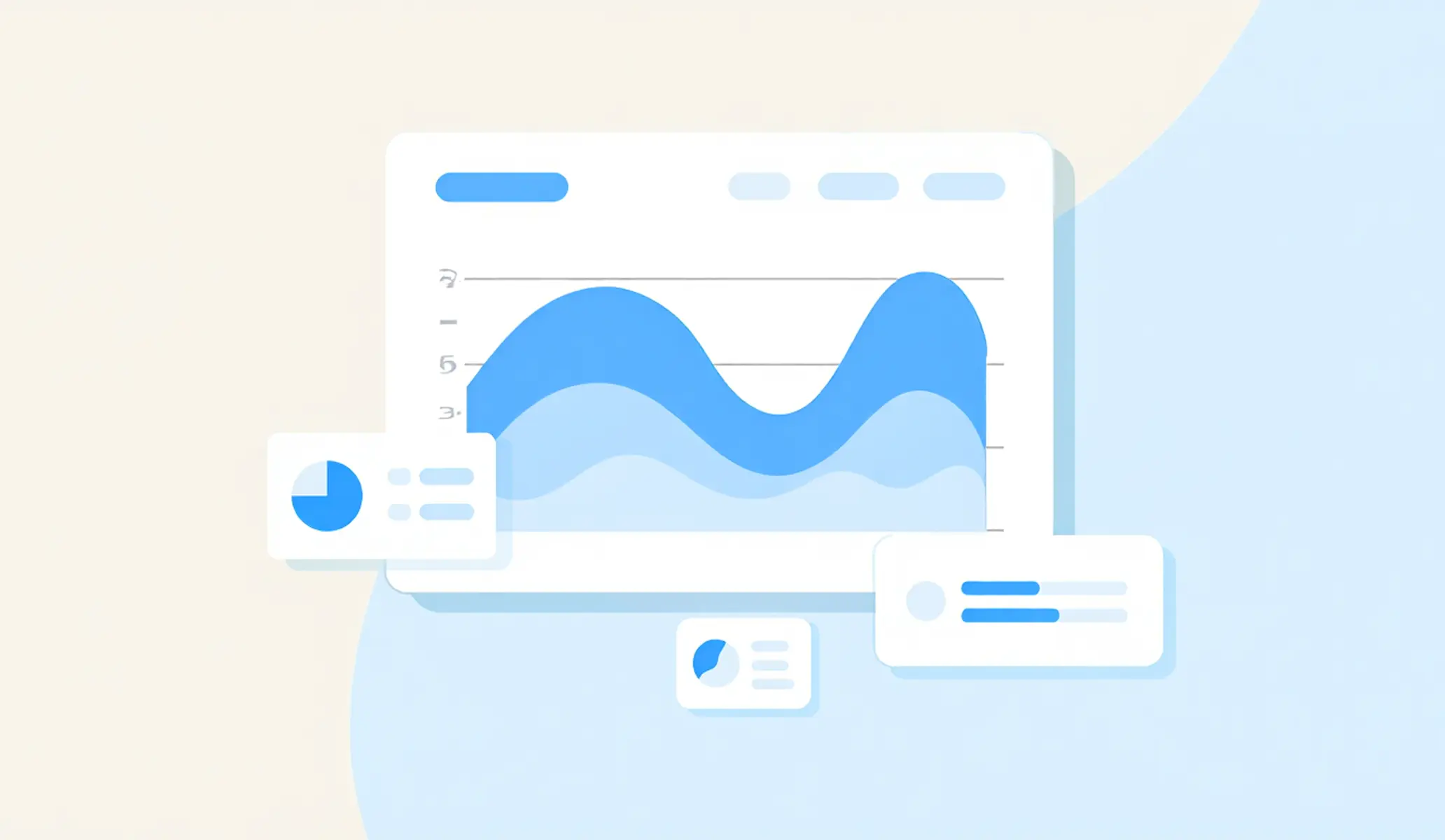
Many real-time analytics tools and platforms help organizations ingest streaming data, process events with low latency, and analyze live metrics through real-time dashboards. These platforms combine streaming infrastructure, data processing frameworks, and business intelligence tools to support large-scale real-time data analytics.
Real-Time Analytics Platforms for Product and Subscription Analytics
Platforms like Subtica combine product analytics with subscription revenue intelligence.
Subtica includes:
- App Analytics
- Subscription Analytics
- Revenue Analytics
- Cohort Analysis
- ARPU metrics
- Revenue Forecasting
- Predictive Analytics
These capabilities help companies analyze subscription performance and optimize product growth.
How Subtica Uses Real-Time Analytics for Subscription App Analytics
Subtica uses real-time analytics to help subscription app teams analyze user behavior, monitor subscription events, and track revenue metrics as data is generated. By processing streaming events from mobile apps and payment systems, the platform provides real-time dashboards and actionable insights that help businesses improve user engagement, optimize subscription performance, and make faster data-driven decisions.
Real-Time Analytics for Subscription Revenue Tracking
Subtica tracks subscription purchases, renewals, and cancellations in real time, allowing teams to monitor revenue performance instantly.
Real-Time Analytics for User Behavior and Engagement
Real-time analytics helps product teams analyze user behavior and engagement metrics to optimize the mobile app experience.
Real-Time Insights for Product and Subscription Growth
With predictive analytics and real-time insights, Subtica enables subscription businesses to identify growth opportunities and improve monetization strategies.
FAQ About Real-Time Analytics
What is real-time analytics?
Real-time analytics is the process of analyzing data immediately after it is generated, allowing organizations to gain insights and respond to events instantly.
What is a real-time analytics platform?
A real-time analytics platform is a system that ingests, processes, and analyzes streaming data continuously to provide instant insights and real-time dashboards.
How does real-time data analytics work?
Real-time analytics pipelines ingest streaming data, process it through a streaming engine, and visualize insights through dashboards and BI tools.
What is the difference between real-time analytics and batch analytics?
Batch analytics processes historical data in scheduled jobs, while real-time analytics analyzes data as it arrives with minimal latency.
What are examples of real-time analytics use cases?
Examples of real-time analytics use cases include fraud detection, product analytics, marketing optimization, infrastructure monitoring, and healthcare systems that analyze live data to alert healthcare providers when data is critical. These systems process data from APIs and databases, enabling them to make faster operational and business decisions.
Which technologies power real-time analytics platforms?
Real-time analytics platforms rely on technologies such as Apache Kafka, Apache Spark Streaming, Flink, Google Cloud Dataflow, and Azure Stream Analytics. These tools integrate with databases and APIs to ingest streaming data, process events in real time, and deliver insights through scalable analytics infrastructure.
Why is real-time analytics important for product analytics?
Real-time analytics is important for product analytics because it allows teams to analyze live user behavior, process data from APIs and databases, and detect anomalies instantly. This enables product teams to make data-driven improvements and respond quickly when data is critical for user experience and business performance.
Want to Apply These Insights to Your App?
Track subscription metrics, reduce churn, and scale your iOS app revenue with Subtica’s subscription analytics platform.


Related Articles
Subscription Analytics Dashboard for SaaS: Data-Driven Metrics and Revenue Insights for iOS Apps
Subscription analytics helps SaaS and subscription businesses turn data into valuable insight. Learn how subscription analytics software tracks subscription metrics, payments, and performance with customizable dashboards, charts, and one-click reports.
Subtica Team
Subscription Business Metrics to Track: Essential SaaS Metrics for Every Subscription Business
Discover the key subscription metrics every business should monitor. Learn which key metrics SaaS companies and subscription businesses use, the most important metric to track, and how a strong analytics system helps monitor subscription metrics and growth.
Subtica Team
Predictive Analytics Examples, Applications, and Algorithms for Subscription Apps
Predictive analytics helps businesses forecast trends using algorithms and data models. Learn how predictive analytics works, key use cases like fraud detection, and how companies use predictive analytics to forecast future outcomes.
Subtica Team
Predictive Analytics Definition: What Is Predictive Analytics and How It Works
Predictive analytics uses machine learning, data mining, and statistical models to predict future outcomes. Learn the predictive analytics definition and how businesses use predictive analytics with historical data and current data to forecast trends.
Subtica Team
Customer Churn Rate Analysis for SaaS: How to Calculate Churn Rate, Perform a Churn Analysis, and Improve Retention
Learn how to calculate customer churn rate with practical churn analysis techniques. Understand customer churn, revenue churn, and retention metrics while analyzing your churn to improve retention and reduce churn rate.
Subtica Team
ARR Revenue: Annual Recurring Revenue Calculation, Recurring Revenues & How to Calculate ARR for SaaS Business Billing
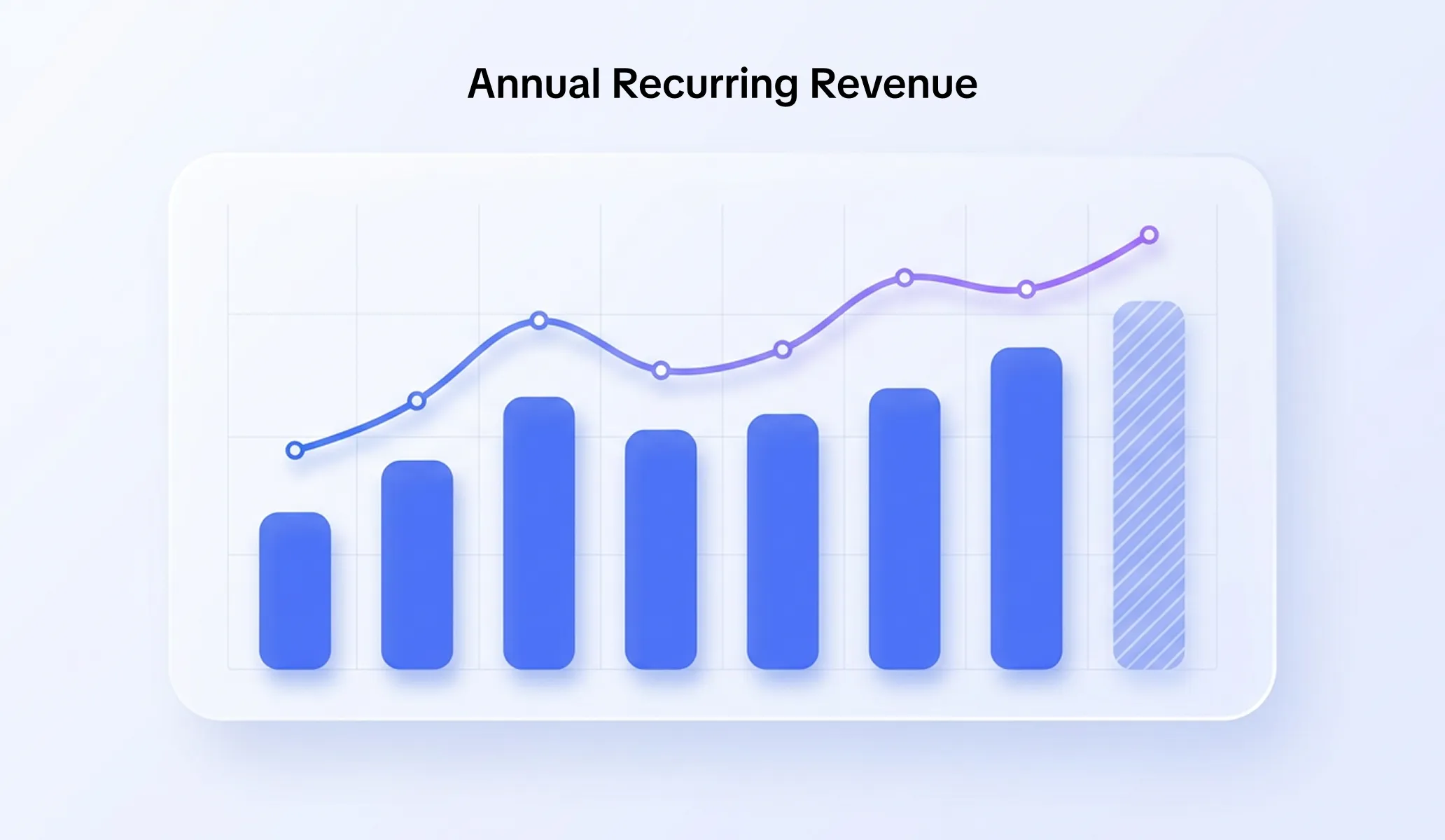
ARR revenue (annual recurring revenue) is a core metric for subscription and SaaS business models. In this guide to annual recurring revenue, learn how to calculate ARR, understand recurring revenues, and improve revenue growth. Discover ARR calculation methods, why this SaaS metric matters, and how annual recurring revenue supports predictable subscription business performance.
Subtica Team
MRR (Monthly Recurring Revenue): How to Calculate MRR and Use MRR to Grow Your Subscription Business
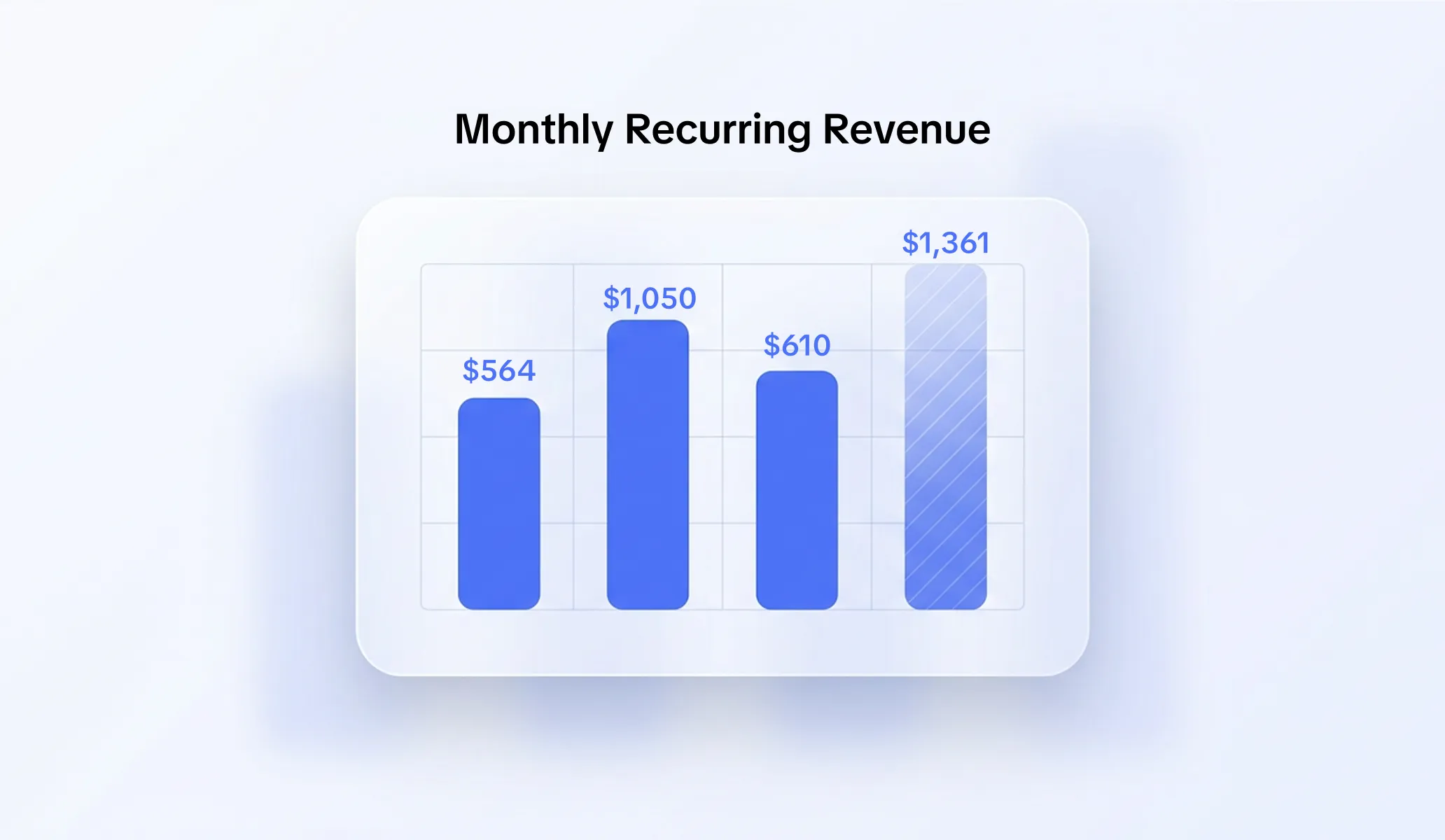
Learn the meaning of MRR (monthly recurring revenue), how to calculate MRR using the MRR formula, and why MRR is important for SaaS companies. Discover how this important metric impacts cash flow per month, subscription business growth, and long-term performance for SaaS companies.
Subtica Team
Mobile App Performance Metrics: Top Metrics, Key KPIs & App Analytics for Mobile App Performance
Discover the most important mobile app metrics to track app performance, user engagement, and engagement and retention. Learn how mobile app analytics metrics, KPIs, and app analytics tools help optimize mobile app performance and drive growth.
Subtica Team
Revenue Management Software: Best Revenue Management Software to Streamline Revenue and Simplify Revenue Management
Learn how revenue management software and modern RMS platforms help subscription apps automate revenue operations, improve forecasting accuracy, and optimize recurring revenue with analytics and AI.
Subtica Team